

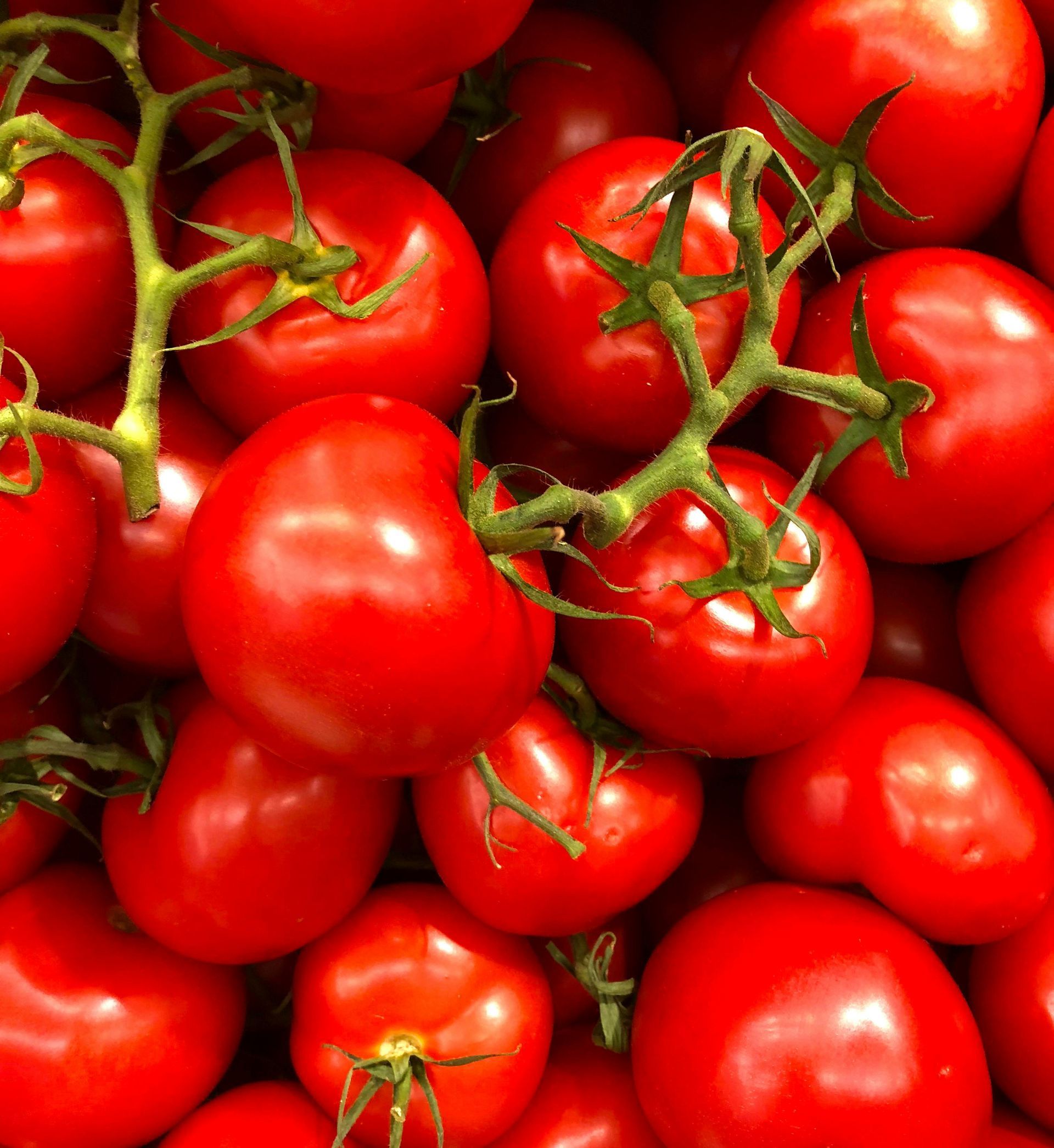
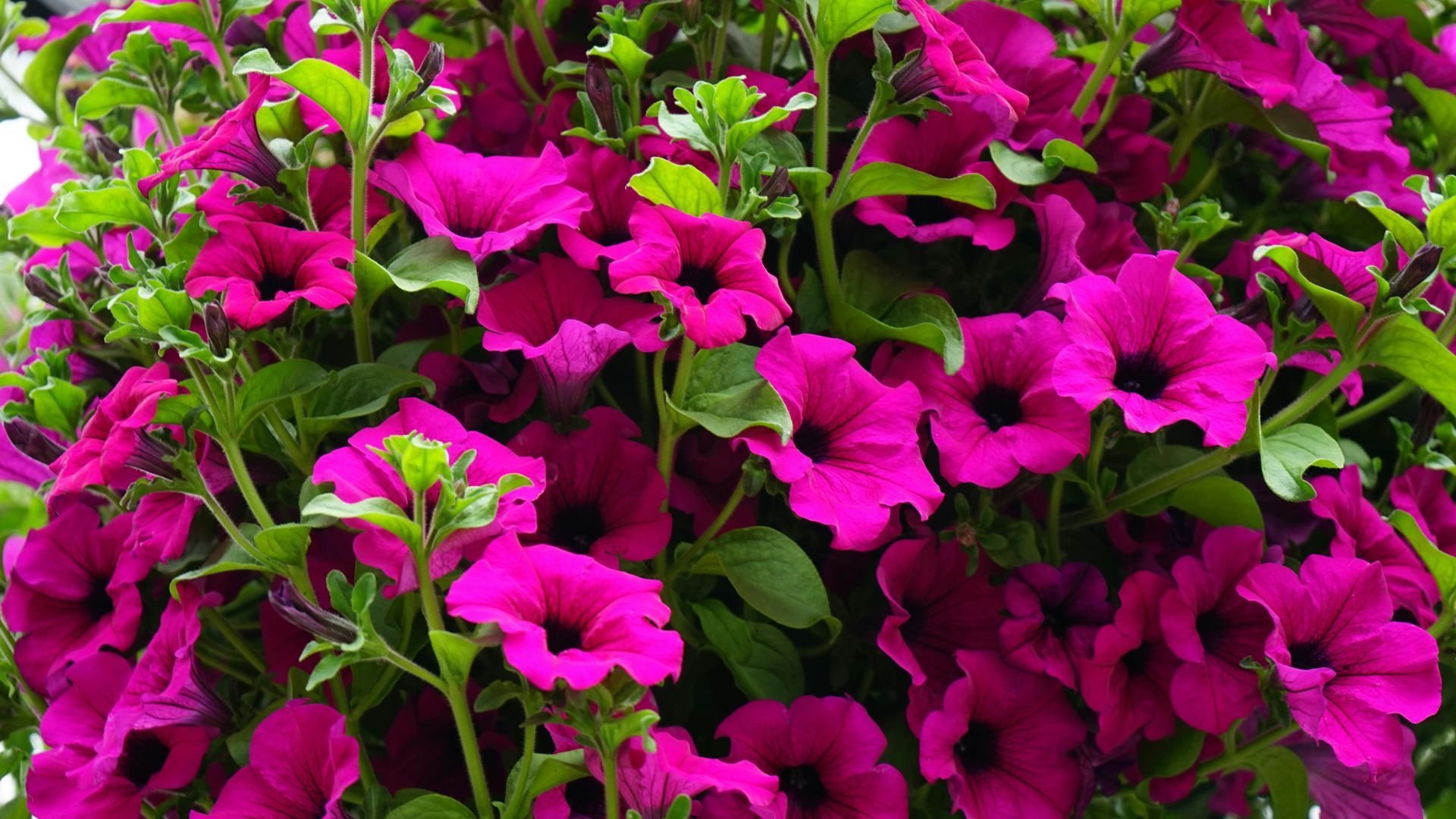
Welcome to the Beau Monde Gardening Resource Center
At Beau Monde, we believe that a world-class landscape is more than just professional sod and hardscapes—it is a living, breathing extension of your home. Whether you are a seasoned gardener in Lafayette or starting your first vegetable bed in Scott, our 2026 Planting Guide is designed to help you navigate the unique challenges of Louisiana’s Zone 9b.
Leveraging over 25 years of local horticultural experience and research-backed data from the LSU AgCenter, we provide the technical precision and seasonal timing necessary to ensure your garden thrives in our Gulf Coast climate. From the smoky flavor of an heirloom Black Krim tomato to the vibrant endurance of Louisiana Super Plants, our mission is to provide you with the same "Elite" quality resources we use in our professional installations.
3 Ways to Use This Page:
- Follow the Calendar: Use our [Zone 9b Planting Table] above to time your spring and fall rotations perfectly.
- Shop the Essentials: Look for the "Beau Monde Approved" gear icons next to our recommended fertilizers and soils.
- Get Professional Help: If you’re ready to scale up from a garden bed to a full master-planned landscape, click our [Request a Consultation] button at the bottom of the page.
Discover the best plants for South Louisiana. Our Zone 9 planting guide offers seasonal tips, local gardening advice, and expert care for Lafayette and Scott, LA gardeners.
March in the Acadiana Garden: A 3-Step Guide
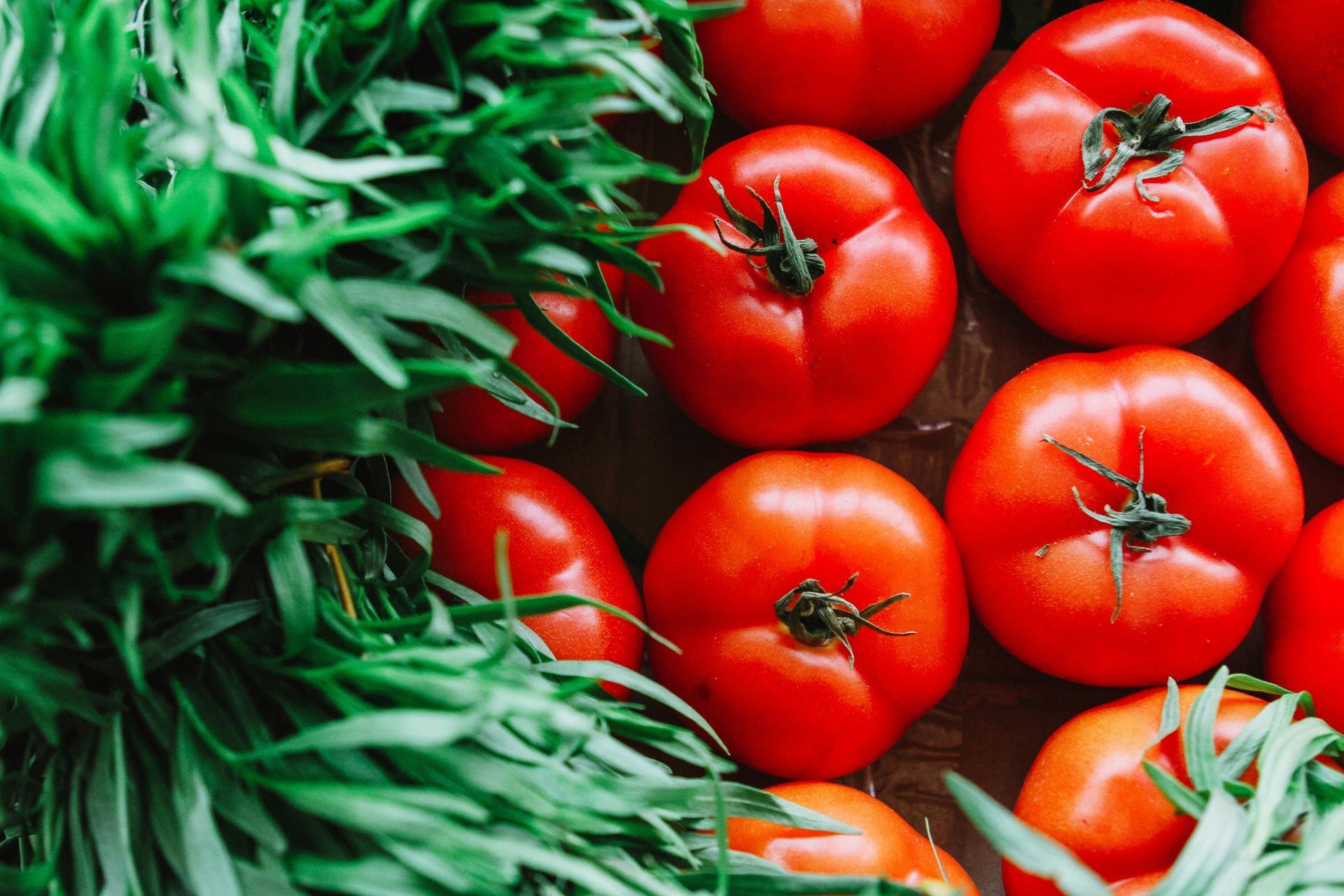
1. What to Plant Now (Vegetables & Herbs)
March 15th is our traditional "safe" date to move warm-weather plants outside.
- Direct-Sow Seeds: Snap beans, lima beans, sweet corn, cucumbers, squash, and mirliton.
- Transplants: Move your tomatoes, peppers, and eggplants into the ground.
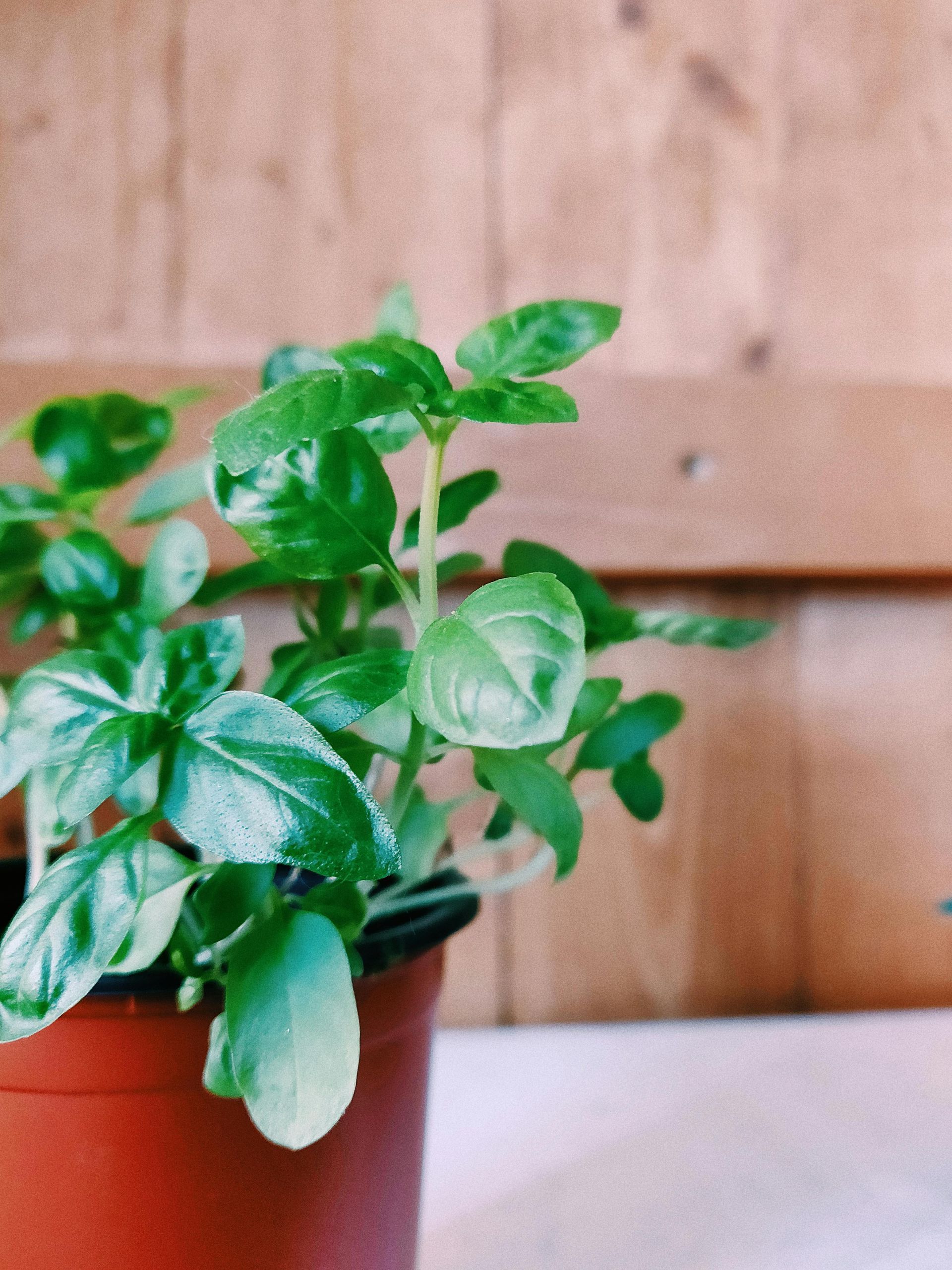
- Herbs: Plant basil, rosemary, and mint. (Tip: Plant mint in a pot so it doesn't take over your Scott, LA garden!)
2. Spring Color & Flowers
Add instant curb appeal with heat-tolerant varieties that can handle our upcoming humidity.
- Louisiana Super Plants: Look for Supertunia Vista Bubblegum—it’s famous for blooming through the summer heat.
- Summer Bulbs: Start planting Canna, Gladiolus, and Elephant Ears toward the end of the month.
- Pollinator Picks: Zinnias and Marigolds are perfect for attracting butterflies to your backyard.
3. Essential Maintenance
- Pruning: If you haven't finished pruning your Crepe Myrtles or Roses, do it early this month before they leaf out fully.
- Mulching: Apply 2–3 inches of mulch to keep moisture in the soil. (Local tip: Use fallen Live Oak leaves as a free, natural mulch!)
- Fertilizing: Once you see new growth, start a feeding schedule for your citrus trees and shrubs.
University Tested & Industry Approved
We are proud to follow the research and recommendations of the LSU AgCenter. For the best results in our unique South Louisiana climate, we prioritize Louisiana Super Plants—varieties that have undergone years of rigorous testing to ensure they can handle our intense heat, humidity, and erratic winters.
Why We Recommend "Super Plants" for Scott & Lafayette:
- Heat & Humidity Tolerant: These plants won't "melt" when our August humidity hits 90%.
- Proven Reliability: Every plant has been vetted by Louisiana horticulturists for at least two years.
- Low Maintenance: Selected specifically for superior performance with minimal fuss.
Top Picks Available at Beau Monde:
- Supertunia Vista Bubblegum: The most durable petunia for our area—it blooms through the summer heat.
- Louisiana Iris: Our native wildflower, perfectly adapted to Acadiana’s wet soils.
- ShiShi Gashira Camellia: A fall-blooming staple that adds evergreen structure to your landscape.
New & Featured Louisiana Super Plants (2025-2026)
- Southern Indica Azaleas (2025 Selection): These are the "heavy hitters" of the South. The AgCenter specifically highlighted 'George L. Taber' (soft pink), 'Formosa' (vibrant purple), and 'Mrs. G.G. Gerbing' (pure white). They are long-lived, evergreen, and perfect for foundation plantings in Scott and Lafayette.
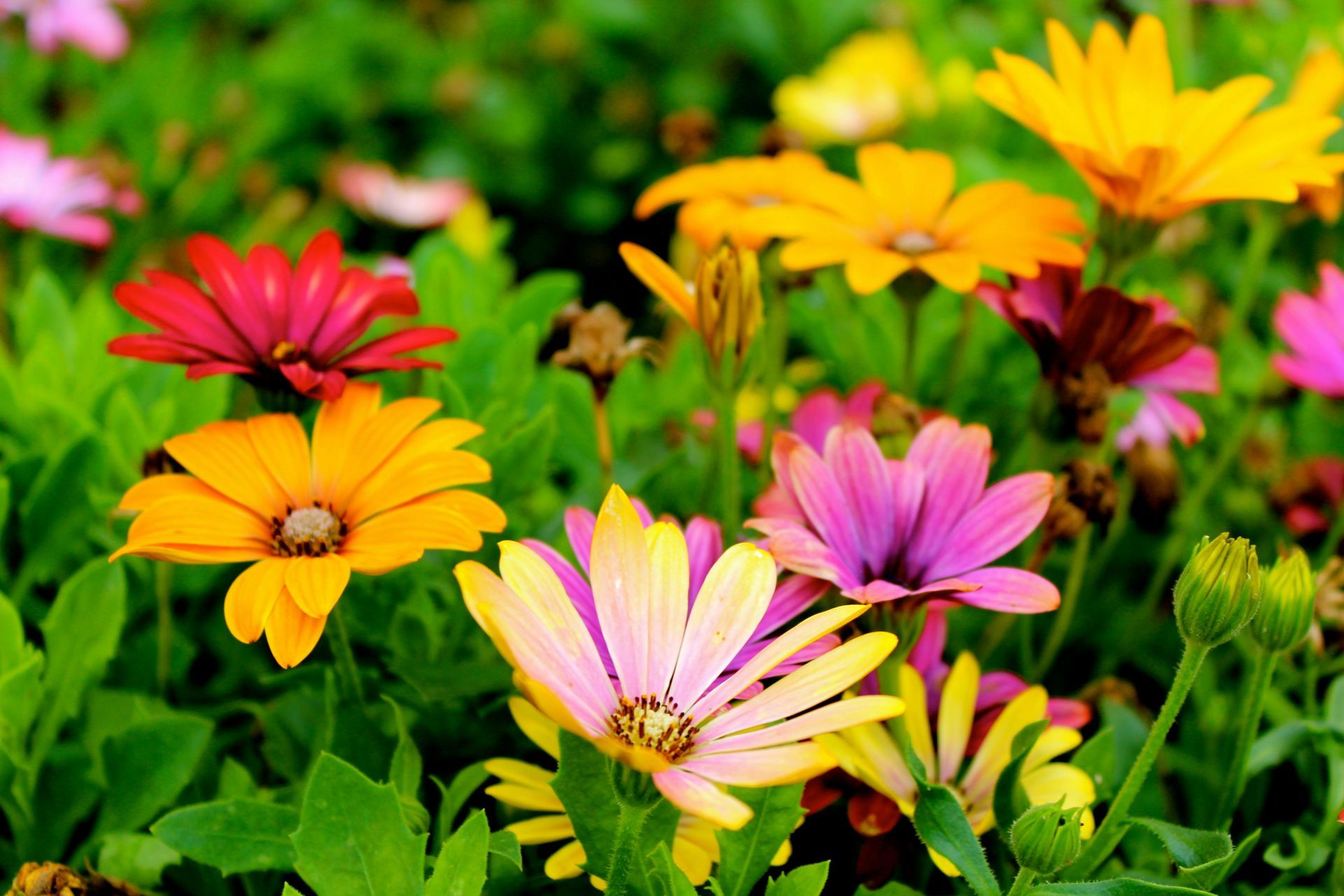
- Gaura / Bee Blossom (2025 Selection): A tough-as-nails perennial that thrives in the heat and drought. It has wispy, delicate flowers that look like butterflies hovering over the foliage.
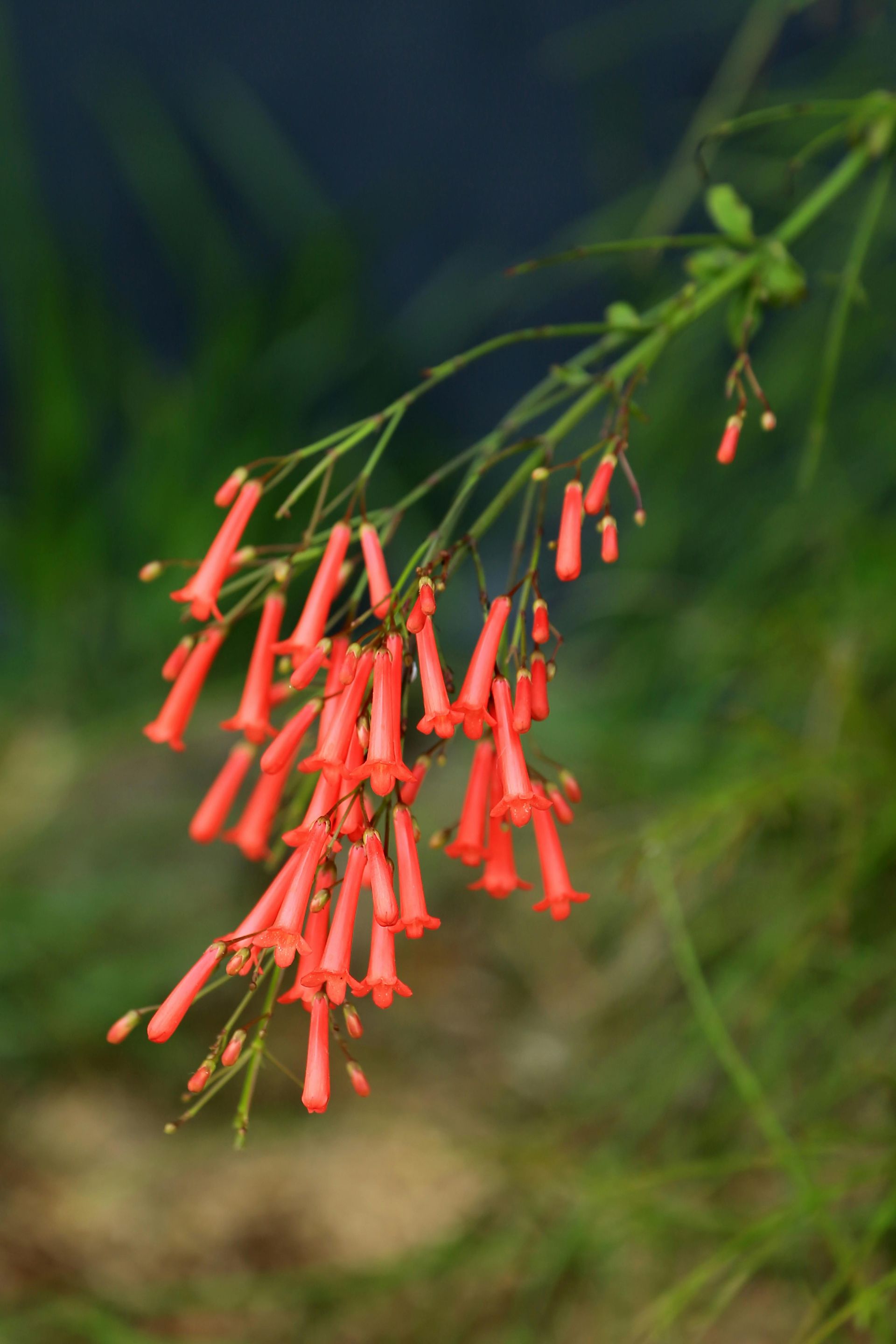
- Vermillionaire® Cuphea (2025 Selection): Also called the "Firecracker Plant," this is a hummingbird magnet. It’s incredibly heat-tolerant and stays bushy and full of orange-red tubular flowers all summer long.
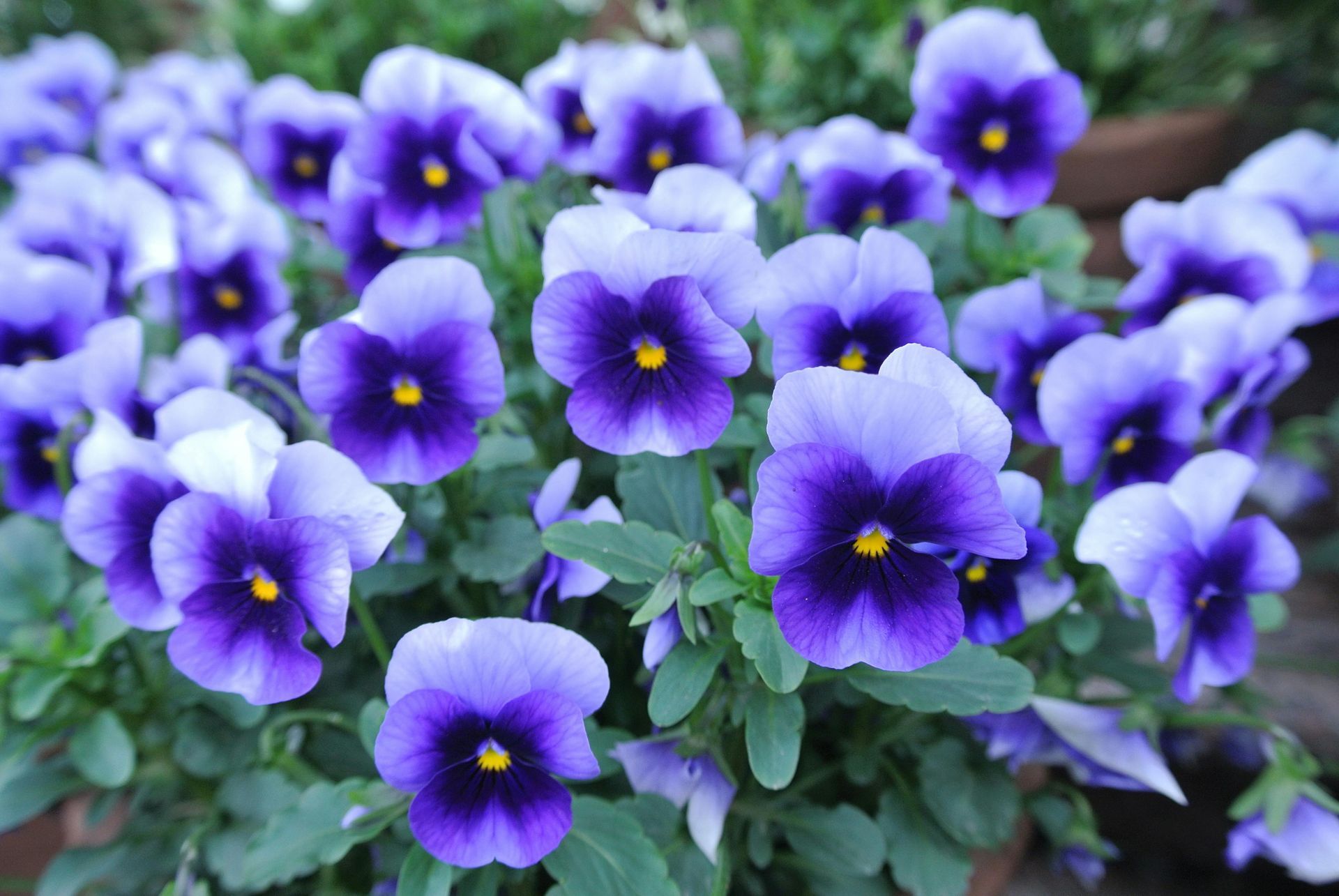
- Sorbet® Violas (2026 Featured): While most flowers fade in the winter, these are the AgCenter's top choice for 2026 "cool-season" color. They are much tougher than standard pansies and will bloom through our occasional Zone 9 freezes.
- Beacon® Impatiens: A newer favorite that is highly resistant to downy mildew (the disease that usually kills impatiens in our humidity). The new 'Blue Pearl' variety is a top performer for 2026 shade gardens.
Beau Monde Seasonal Planting Guide (Zone 9b)
Plant TypeBest Time to Plant (South LA)LSU Super Plant HighlightSpring Bedding PlantsMarch – AprilSupertunia Vista BubblegumWarm-Season AnnualsApril – JuneVermillionaire® CupheaHardy Shrubs & AzaleasNov – MarchSouthern Indica AzaleasNative PerennialsOct – AprilLouisiana IrisCool-Season ColorOct – NovSorbet® ViolasShade FavoritesMarch – MayBeacon® Impatiens
Local Planting Hacks for Scott & Lafayette
- The "Tax Day" Rule: In Acadiana, we usually wait until after April 15th to plant the most sensitive tropicals. While our last frost is often in February, we can get a "sneaky" late freeze in March.
- Fertilizing Schedule: For your Super Plants, the LSU AgCenter recommends fertilizing in three intervals: March, May, and July. This keeps them fueled through our long growing season.
- The Second Spring: Don't forget October! In South Louisiana, October is actually the best time to plant trees, shrubs, and perennials because it gives the roots all winter to settle in before the summer heat returns.
The Acadiana Edible Garden: March Favorites
In South Louisiana, our vegetable season is a race against the July heat. To get a harvest before the humidity peaks, you want your "warm-season" crops in the ground now.
The Big Three Transplants:
Move your Tomatoes, Peppers, and Eggplants into the garden this week. Look for "Creole" or "Celebrity" tomatoes for the best local results.
Direct Seeded:
Sow Cucumbers, Snap Beans, and Squash directly into the soil.
The Cajun Classic:
Now is the time to start your Mirliton (chayote) vines and get your Okra seeds ready for late March planting.
LSU AgCenter Tip:
Always check your soil temperature! For summer veggies, you want a consistent 65°F at a 2-inch depth before planting.
The Acadiana Tomato Masterclass
"If you can grow a tomato in Acadiana, you can grow anything."
Best Large Slicers:
Celebrity (the gold standard), Better Boy, Big Beef, and Bella Rosa.
Best for Canning/Sauce:
Roma and Royal Chico.
Heat-Tolerant (Late Spring):
Heatwave II, Solar Fire, and Phoenix. These keep producing even when the nights stay above 75°F.
Cherry/Grape:
Juliet (grape) and Sun Gold (the sweetest cherry)—these are almost indestructible in our area.
Source:Recommended planting dates and varieties via LSU AgCenter Tomato Guide.
SPOTLIGHT: THE BLACK KRIM HEIRLOOM
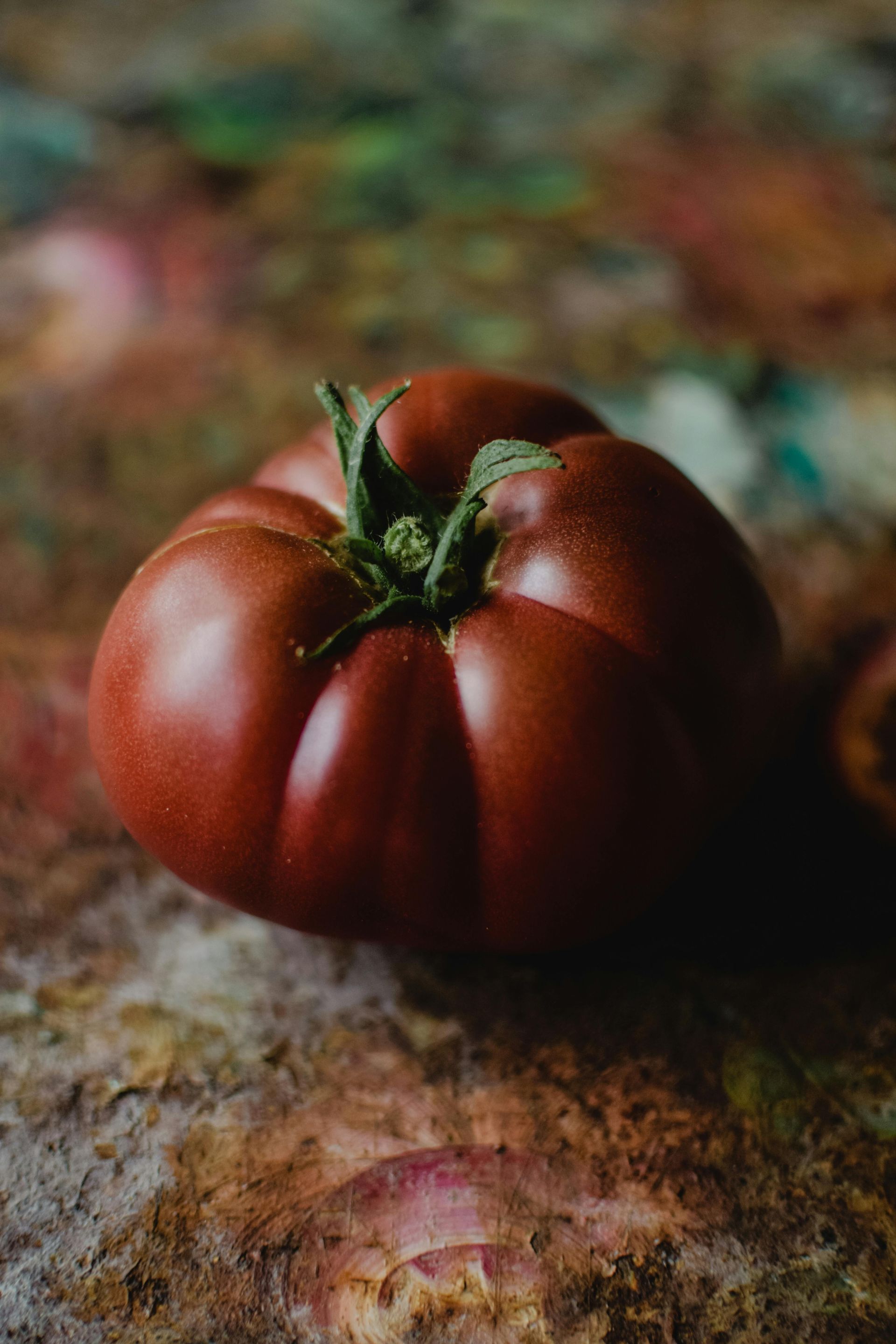
If you want a tomato that tastes like a "gourmet steak," the Black Krim is the one. Originally from the Crimean Peninsula, this variety has become a South Louisiana favorite because it is surprisingly heat-tolerant.
- The Look: Dark, maroon-purple skin with "green shoulders" and a deep reddish-black interior. The hotter it gets in Scott, the darker these tomatoes turn!
- The Taste: Famous for its "salty-smoky" flavor. It has a natural saltiness that makes it the ultimate sandwich tomato—you often don't even need to add salt to the slice.
- Louisiana Performance: * Heat Set: It is one of the few large heirlooms that continues to set fruit even when our nighttime temperatures start to climb.
- Size: Expect meaty, beefsteak-style fruits weighing between 8–12 oz.
- Maturity: Ready to harvest in about 70–80 days from transplanting.
Expert Care for Black Krim in Zone 9b:
- Watering is Critical: Like many large heirlooms, Black Krim is prone to "cracking" if the soil goes from bone-dry to soaking wet (which happens a lot in our afternoon thunderstorms). Mulch heavily to keep the soil moisture even.
- Go Big on Support: These vines can easily reach 6 feet tall. Skip the flimsy store-bought cages; use a heavy-duty cattle panel or a tall, sturdy trellis.
- Pick Slightly Early: Because they are prone to cracking when fully ripe, pick them when they show about 75% of their dark color and let them finish ripening on your kitchen counter.
"Seed Saving & Heritage"
Since Black Krim is an heirloom, the seeds can be saved and replanted year after year—something you can't do with hybrids like Celebrity or Better Boy.
In South Louisiana’s humidity,especially in Lafayette the secret to successful seed saving is Fermentation. This sounds fancy, but it just means "controlled rotting" to remove the protective gel that prevents the seed from sprouting.
Saving Your Black Krim Seeds
"Preserve the flavor of Acadiana for next year."
Because the Black Krim is an heirloom (open-pollinated), the seeds you save this year will grow into the exact same delicious plant next year. Here is the local pro-method for our humid climate:
1. The Fermentation Trick
Don't just dry the seeds on a paper towel! Tomato seeds have a "gel sac" that contains sprout inhibitors. In our humidity, if you don't remove this, the seeds often mold before they dry.
- The Process: Squeeze the seeds and "goop" into a small glass jar. Add about an inch of water.
- The Wait: Leave it on your kitchen counter for 2–4 days. A white film of mold will form—this is a good thing! It eats away the gel and kills seed-borne diseases.
- The Rinse: Once the seeds sink to the bottom and the "stink" starts (it’s unmistakable), pour the mess into a fine-mesh sieve and rinse thoroughly with cool water.
2. Drying in Acadiana Humidity
- Avoid Paper Towels: The seeds will stick to them like glue. Use a glass or ceramic plate or a coffee filter.
- Airflow is Key: Keep them in a cool, air-conditioned room. Don't dry them outside; our 80% humidity will make them sprout or rot on the plate.
- The Snap Test: Your seeds are ready for storage when they feel like "dry paper" and snap in half rather than bending.
3. Local Adaptation
Every time you save seeds from the "best" tomato in your garden, you are essentially "breeding" a version of the Black Krim that is specifically adapted to your backyard soil and our Scott Louisiana heat. Over 5 years, your seeds will actually grow better than store-bought ones!
The Black Krim Beginner’s Shopping List
The Black Krim Beginner’s Shopping List
High-Drainage Potting Mix (or Soil Builder): * If planting in a container, use a mix like FoxFarm Strawberry Fields.
If planting in the ground in Acadiana, you likely have heavy clay. Pick up a bag of Louisiana-local compost or soil builder to loosen the dirt and improve drainage.
Cattle Panel or Heavy-Duty Trellis: * Forget the small cone-shaped cages; a Black Krim will crush them.
Pro-Tip: Use a 4-foot to 6-foot tall sturdy metal trellis. Many local gardeners use "Cattle Panels" (galvanized steel mesh) because they last 20 years and won't rust in our humidity.
Tomato & Vegetable Fertilizer (Low Nitrogen): * Look for a fertilizer where the first number (Nitrogen) is lower than the middle number (Phosphorus), like a 7-22-8 or 5-10-10.
Too much nitrogen will give you a beautiful 8-foot green bush with zero tomatoes!
Pine Straw or Leaf Mulch: * To prevent Blossom End Rot and "cracking," you must keep the soil moisture steady.
A 3-inch layer of pine straw or shredded leaves around the base is the best way to shield the roots from the July sun.
Calcium Supplement (Optional but Recommended): * Because our
Lafayette, Louisiana heavy rains can wash nutrients out of the soil, keeping a "Tomato Calcium" spray or organic lime on hand can save your first harvest from rotting on the bottom.
"N-P-K"
"Up, Down, and All Around"
- N (Nitrogen): Helps the plant grow UP (Green leaves/stems).
- P (Phosphorus): Helps the plant grow DOWN (Strong roots) and makes FLOWERS.
- K (Potassium): Helps the plant stay healthy ALL AROUND (Disease resistance).
How to Fertilize Like an LSU Pro
In South Louisiana, our heavy spring rains can wash away nutrients quickly. To get those massive Black Krim beefsteaks, follow this "Three-Phase" schedule:
Phase 1: The "Launch" (At Planting)
Before the plant goes in the ground, mix your 5-10-10 or 8-24-24 into the soil.
- The Goal: Build a deep, strong root system before the summer heat hits.
- Pro-Tip: Don't let the fertilizer touch the stem directly; mix it into the surrounding dirt to avoid "burning" the young plant.
Phase 2: The "Side dress" (When Fruit Appears)
Wait until you see the first tomato the size of a quarter. This is the most critical time to feed.
- What to use: Apply 1 tablespoon of fertilizer (or Calcium Nitrate) per plant.
- The Method: Pull back your mulch, sprinkle the fertilizer in a circle 6 inches away from the base, and water it in immediately.
- Why now? This prevents the plant from "stalling out" after its first burst of growth.
Phase 3: The "Sustain" (Every 4 Weeks)
Because Black Krim is an indeterminate variety (it keeps growing until frost), it needs a "snack" every month.
- The Routine: Repeat the side dressing every 4 weeks through June.
- Stop Feeding: Once the daily highs hit 95°F in July, the plant will naturally slow down its fruit production to survive the heat. You can stop fertilizing then to avoid stressing the plant.
Avoid the "Green Jungle" Trap
Warning: If you use a high-nitrogen fertilizer (like lawn fertilizer or some "all-purpose" miracle grows), you will get an 8-foot tall, beautiful green bush with zero tomatoes. Always stick to the Low-Nitrogen (the first number) rule for Black Krims!