Plant a Berry Garden for the Winter Birds Zone 9
noreply • October 29, 2023
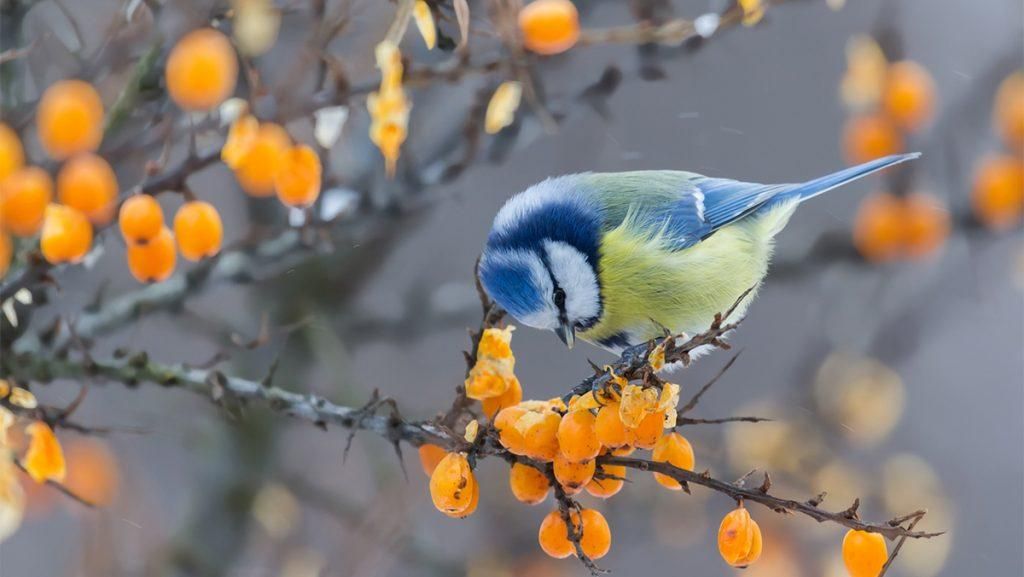
Foraging birds need a diet of heavy-duty foods full of sugars and fats on a regular basis. This is so they can thrive over the cold winter months. Planting a winter berry bird buffet full of shrubs with berries keeps birds happy, healthy, and coming back for more. Plus, as an added benefit, those same plants will help to attract pollinating insects when they flower next spring. Here are several options that produce loads of tasty berries which will have birds flocking to your yard.

Berries are full of sugars, fats, and antioxidants with lots of the calories. Birds need this to survive freezing winter nights.


Best Shrubs with Berries for Birds
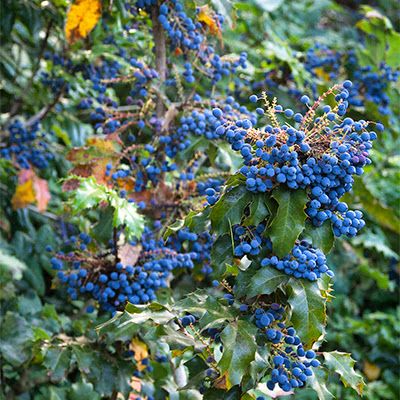

Oregon Grape Holly

About:  Brilliant yellow flowers leave behind fat, tart blue-black berries that last into spring. N. American native. Best berry set in pairs. Partial to full sun. Up to 6' tall and wide. Zones 5–9.

Attracts:  Robins, waxwings, juncos, towhees, sparrows, grouse, pheasants.
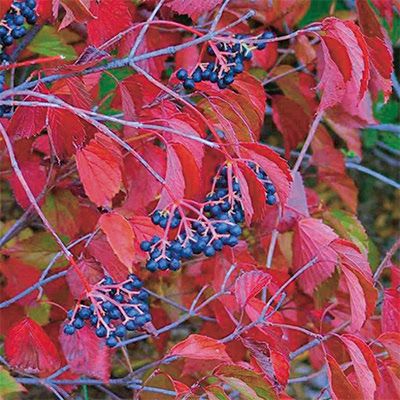


Sparkler® Arrowwood Viburnum

About:  Large, upright N. American native produces loads of fatty (26%), blue-black berries in winter. Partial to full sun. Up to 15' tall and wide. Zones 4–9.

Attracts:  Robins, bluebirds, thrushes, vireos, kingbirds, juncos, cardinals
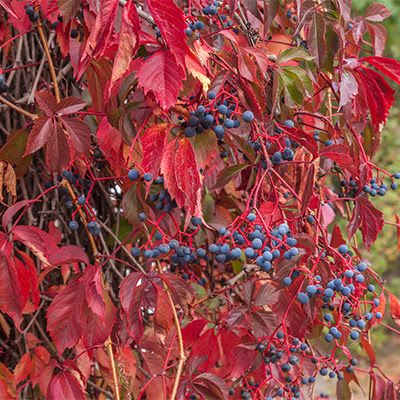

Virginia Creeper

About:  Dense cover and berries high in fat (40+%) makes this N. American native a favorite for wintering birds. Partial to full sun. Needs space, can climb 30-50' or more. Zones 4–9.

Attracts:  Northern flicker, brown thrasher, cedar waxwing, eastern bluebird, Swainson’s thrush, robins, warblers.
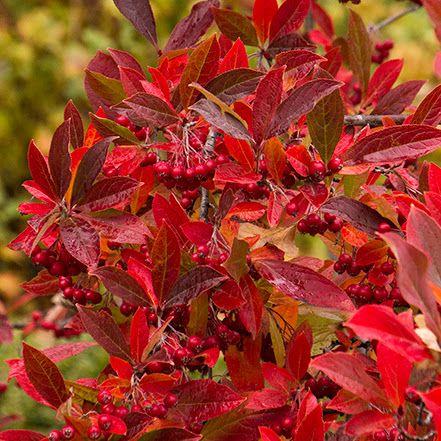


Brilliant Red Chokeberry

About:  N. American native with bitter fruits that only improve after several freeze thaw cycles in the winter. This makes them a later food source. Partial shade to full sun. Up to 8' tall and wide.  Zones 4–9.

Attracts:  Grouse, cedar waxwings, thrushes, northern flickers, and thrashers.


Tips for Attracting Winter Birds


  • The best way to bring birds to your yard this winter is to provide for their three major needs: Abundant, regular food, clean water, and shelter from winds and cold. Bird-friendly landscaping includes plants like conifers and evergreens as well as those that provide food.
  • Plant a variety of berry-producing shrubs and vines that provide a variety of fruits at different times. You’ll want something with fruits in the late summer, fall, and early winter.
  • Don’t scrape the yard free of fall debris! Birds appreciate organic materials like seedpods, leaf piles, and fruit that fell from trees. Same goes for your post-holiday Christmas tree which makes a fine place to chill.
  • In winter, providing food for birds in Zone 9 (where temperatures are generally mild) is still important. Offer a variety of seeds like sunflower, millet, and nyjer, along with suet or fruit for added nutrition. Use feeders that protect seeds from moisture and predators. Keep fresh water available, and clean feeders regularly to prevent disease. Place feeders in sheltered areas and consider adding shrubs or trees for extra cover. This way, you can help birds thrive during the cooler months in Zone 9.
  • In Zone 9's mild winter climate, hummingbirds actually migrate to warmer regions. Therefore, providing sugar water solutions in feeders may not be necessary during this season. It's important to support local bird species that remain in the area, such as sparrows, finches, and warblers, with appropriate seed mixes and other bird-friendly offerings. 

 Embracing the Tranquil Beauty of Winter Landscapes


While Zone 9 is known for its relatively mild winters, it doesn't mean that the landscape doesn't undergo a fascinating transformation during the colder months. Embracing the unique beauty of a Zone 9 winter can be a rewarding experience, offering a different perspective on nature's rhythms.

 A Subtle Palette of Greens and Golds


In Zone 9, winter paints the landscape with a softer brush. While evergreen trees retain their vibrant hues, deciduous trees gracefully shed their leaves, creating a tapestry of subtle greens and golden browns. This muted color palette exudes a sense of tranquility, inviting us to explore the intricate details that are often overlooked in busier seasons.

 Blooms Against the Chill


Surprisingly, Zone 9 winters can still bring forth bursts of color. Camellias, pansies, and other cold-tolerant plants bravely bloom, providing a vivid contrast to the backdrop of dormancy. These resilient blooms serve as a reminder that life persists even in the face of winter's grasp.

Birdsong in the Stillness


While the symphony of summer birds may have quieted, Zone 9 winters offer a unique auditory experience. The cheerful calls of winter-resident birds like sparrows, finches, and cardinals add a delightful soundtrack to the crisp air. Setting up bird feeders stocked with seeds can attract these feathered friends, offering a close-up view of their winter activities.

The Dance of Sunlight and Shadows


In Zone 9, winter days may be shorter, but they still offer moments of breathtaking beauty. As the sun slants lower in the sky, it casts long, dramatic shadows across the landscape. This interplay of light and dark adds a touch of drama to the scenery, transforming even familiar spaces into enchanting vistas.

Gardening Opportunities


Zone 9 winters provide an excellent opportunity for gardeners to get their hands in the soil. Cool-season vegetables like kale, lettuce, and broccoli thrive in the milder temperatures. Additionally, this is an ideal time to plant trees and shrubs , giving them a head start on establishing roots before the warmer months arrive.

Cozy Outdoor Retreats


In Zone 9, winter evenings are often crisp but not overly cold. Creating a cozy outdoor space with fire pits , warm blankets, and comfortable seating can transform your yard into a welcoming retreat. Gather around the fire, sip a warm beverage, and enjoy the crisp winter air in comfort.

 Embracing the Subtle Beauty


While Zone 9 winters may lack the dramatic snowscapes of colder climates, they offer their own unique charm. Take a moment to appreciate the delicate details, the quiet moments, and the resilient life that persists even in the face of winter's touch. In doing so, you'll discover a new appreciation for the beauty that Zone 9 has to offer, even in its quieter seasons.


BEAU MONDE 
NURSERY LANDSCAPE & FLORIST  

Nursery   (337) 324-8433

Landscape Department   337) 704-6267

Floral Department    (337) 212-3754

Email: beaumondellc@cox.net

Location: 5611 A Cameron St Scott, Louisiana 70583  

Business Hours:

Mon - Fri  9:00AM - 6PM  .  Sat 8:00 AM- 6 PM. Sun: CLOSED


By Rochelle Carriere March 14, 2026
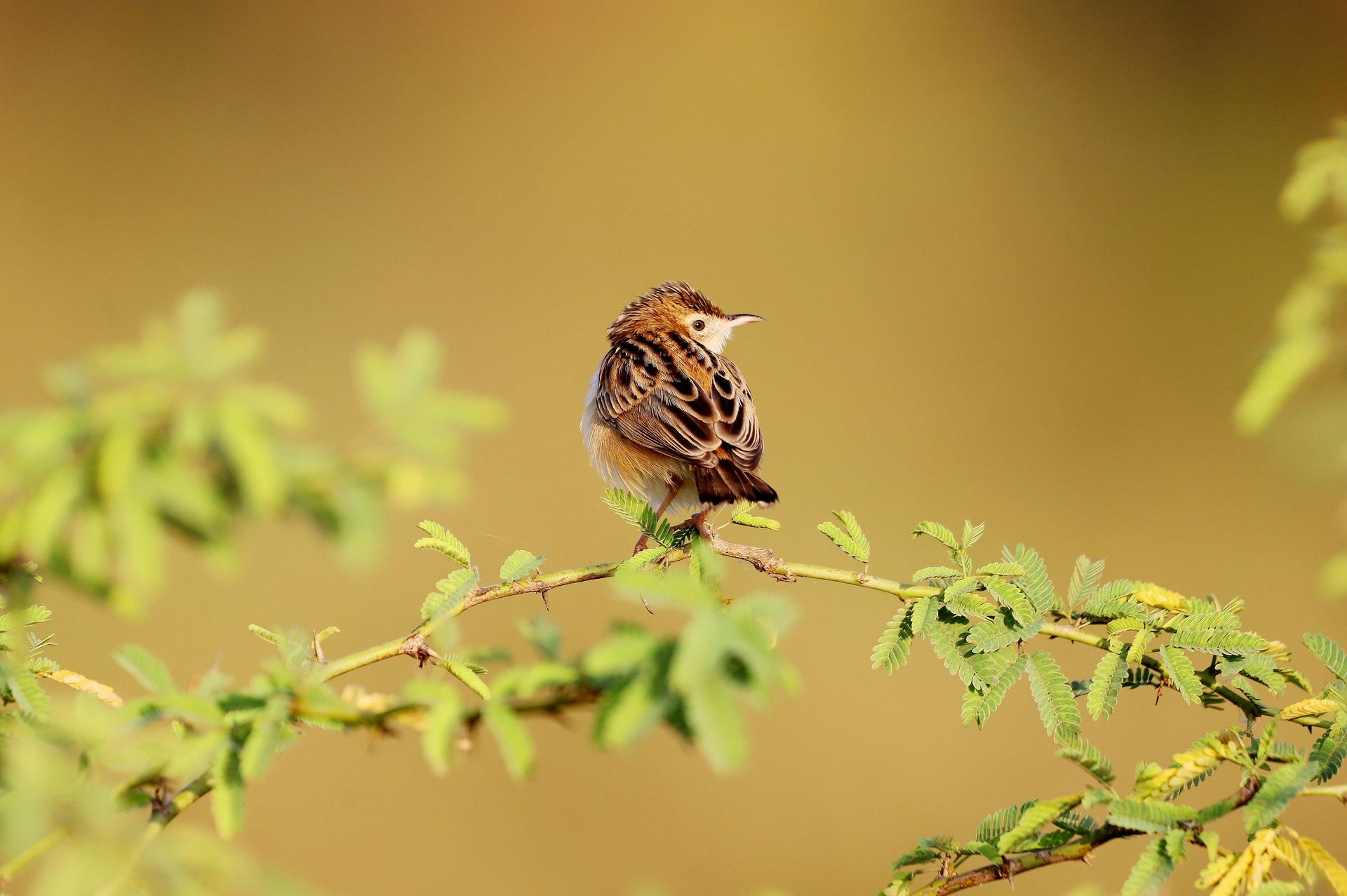
Sweet Birds
Hands in textured gardening gloves spread dark wood mulch around the base of a green plant in a garden bed.
By Rochelle Carriere March 12, 2026
Spring is almost here in Acadiana, and that means it’s time to wake up your landscape after a long, messy winter. At Beau Monde Nursery, Landscape & Florist , we’re currently scheduling Spring Bed Clean‑Ups for homes and businesses across Lafayette, Scott, and the surrounding areas — and now is the perfect time to get on the list. A proper spring clean‑up does more than make your yard look neat. It sets the foundation for healthier plants, stronger growth, and a landscape that looks polished and well‑maintained all season long. 🌿 Why Spring Bed Clean‑Ups Matter Winter leaves behind debris, weeds, compacted soil, and tired flower beds. A thorough clean‑up helps your landscape: Remove winter weeds and debris Refresh mulch for better moisture retention and weed control Re‑edge beds for a clean, defined look Prune shrubs and perennials to encourage healthy new growth Improve soil health and prepare beds for new seasonal color Boost curb appeal for both homes and commercial properties A clean, well‑prepared bed is the key to a vibrant spring and summer landscape. 🌸 What’s Included in Our Spring Bed Clean‑Up Service Our team handles everything your beds need to look fresh and healthy: Full weed removal Clearing leaves, sticks, and winter debris Bed reshaping and edging Mulch installation or top‑off Shrub and perennial pruning Soil prep for spring flowers Optional seasonal color planting Whether you want a simple clean‑up or a full spring refresh with new flowers, we tailor the service to your property. 🌼 Perfect for Homes and Businesses We provide Spring Bed Clean‑Ups for: Residential homes Commercial properties Office buildings Retail centers HOAs and multi‑unit properties Restaurants and storefronts If you want your property looking sharp for spring, we’re ready. 📅 We’re Scheduling Spring Bed Clean‑Ups Right Now Spring is our busiest season, and spots fill quickly. If your flower beds need attention, now is the time to book. Call, text, or message us to schedule your Spring Bed Clean‑Up. Let Beau Monde get your landscape looking fresh, clean, and ready for the season.
By noreply November 8, 2023
*Cassia splendida*, commonly known as Senna or Candlestick Tree, is native to Madagascar. However, it has been cultivated and can be found in various tropical and subtropical regions around the world. This includes places like Louisiana, Florida, parts of the Caribbean, and some regions of Asia and Australia. Keep in mind that it might not be native to these areas but can still be found there due to cultivation.
By noreply November 6, 2023
Shelby Miller
By noreply October 27, 2023
Copyright© Beau Monde Landscape LLC. All Rights Reserved.
By noreply October 24, 2023
Cream De Mint™ Dwarf PittosporumPittosporum tobira 'Shima'Pronunciation: pit-o-SPOH-rum to-BY-raDESCRIPTIONGlossy, mint green leaves with creamy white edges create a lovely accent to colorful shrubs and perennials. The new spring growth glows green-gold. This compact evergreen with dense foliage requires very little maintenance. Excellent for use as a fuss-free, low-growing hedge or fill-in plant for shrub borders.LIGHTFull sun, Partial sunWATERINGAllow soil to dry slightly before watering.BLOOMSSpringMATURE SIZESlow growing; reaches only 24 to 30 in. tall and wide.LANDSCAPE USEBorder, Container, HedgeDESIGN IDEASThis low-growing evergreen makes an excellent informal hedge or divider between different rooms in the garden. Its mint-green leaves are a perfect foil for colorful companion plants.FLOWER COLORWhiteFOLIAGE COLORGreenCOMPANION PLANTSHeavenly Bamboo (Nandina); Bottlebrush (Callistemon); Loropetalum (Loropetalum); Agapanthus (Agapanthus); Blue Oat Grass (Heliotrichon)CAREEasy to grow in average, well-drained soils. Water deeply and regularly during the first growing season to establish an extensive root system. Once established, reduce frequency; tolerate mild drought. Apply fertilizer before new growth begins in spring. For a tidy, neat appearance, prune annually to shape.Copyright© Beau Monde Landscape LLC. All Rights Reserved.
By noreply October 18, 2023
Goldenrod is generally easy to grow. It thrives in well-drained soil and prefers full sunlight. Goldenrod is known for its hardiness and ability to adapt to different soil types. It’s a low-maintenance plant, making it suitable for various garden settings. However, be mindful of its spreading nature; some varieties might be considered invasive in certain regions.Goldenrod flowers are known for their potential health benefits. Some traditional uses include treating conditions like urinary tract infections and kidney stones. Additionally, goldenrod is believed to have anti-inflammatory and diuretic properties. However, it’s essential to consult a healthcare professional before using it for medicinal purposes.Goldenrod can be beneficial for controlling soil erosion. Its dense root system helps bind the soil, reducing erosion risk. Additionally, the aboveground growth of the plant can provide ground cover, further stabilizing the soil. This makes goldenrod a potentially useful choice for erosion control in gardens or areas where soil stability is a concern.Copyright© Beau Monde Landscape LLC. All Rights Reserved.
Nine small potted plants in a red tray; seedlings with green leaves and dark soil.
By Rochelle Carriere February 10, 2022
beets, broccoli, cabbage, carrots, cauliflower, collards, corn, Swiss chard, eggplant, Irish potatoes, kohlrabi, lettuce, mustard, peppers, radish, rutabagas, snap beans, shallots, tomatoes, turnips
By noreply May 25, 2020
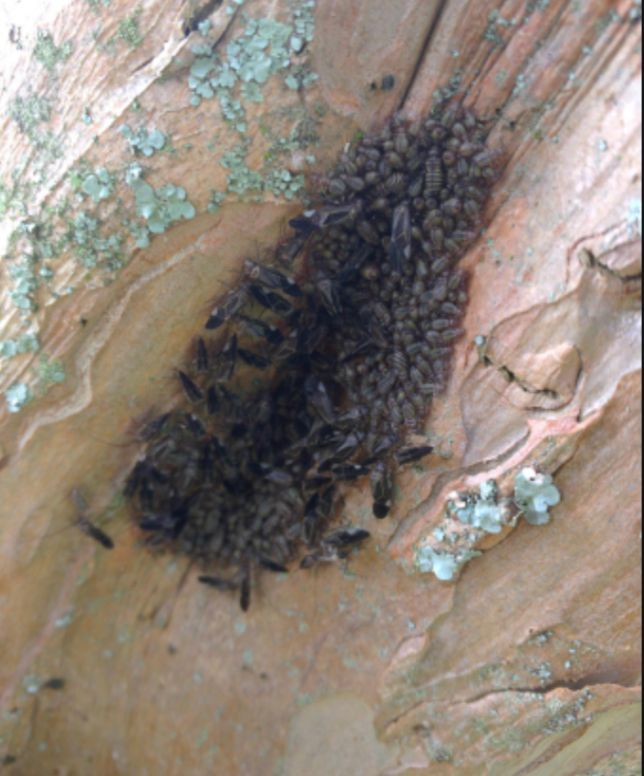
The lice do not actually hurt trees and are often thought of as helpful because they clean trees by eating things that your tree does not need like fungi, algae, mold, dead plant tissue and other debris. Bark lice actually devour their silken webbing at the end of the season as well, completing their job as cleanup crew. Bark lice treatment is unnecessary, as these insects are not really considered pests. Some homeowners will spray a heavy stream of water on the webs to disturb the colony. However, since the insects are beneficial, it is suggested that they be left alone. Now that you know a little more about bark lice in trees, you can see that they are nothing to be alarmed about.Copyright© Beau Monde Landscape LLC. All Rights Reserved.
By noreply January 8, 2020
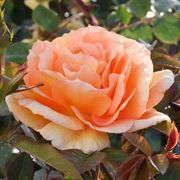
Fill your landscape with bold color with the incredible Tangerine Flames climbing rose! These orange blooms boast a yellow reverse and sit atop crisp, glossy medium green foliage. Let these bright blooms trail up an arbor, fence, or wall for a stunning display you'll sure to get compliments on. Not to mention it boasts a light, fruity scent that is simply irresistible. Grab this exclusive Jackson & Perkins Rose today. If you love to add new roses to your collection - don't let this one pass you by!Copyright© Beau Monde Landscape LLC. All Rights Reserved.