

10 Essential Tips for Healthy Indoor Plants
10 Essential Tips for Healthy Indoor Plants
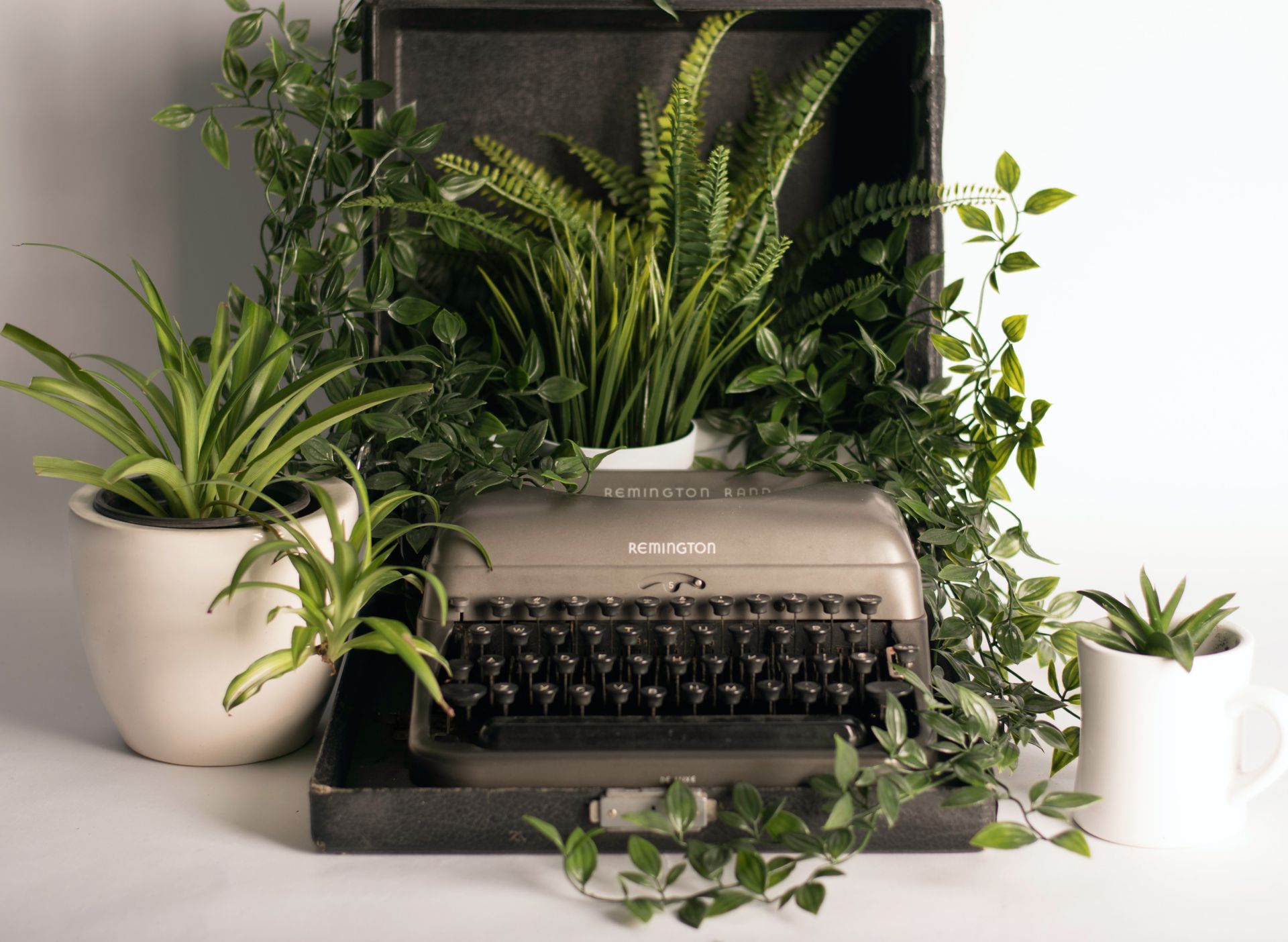
This comprehensive guide covers key topics such as appropriate lighting, proper watering techniques, suitable potting soil, and effective pest management. It also emphasizes the importance of monitoring humidity levels, offering adequate space, and considering the specific needs of each plant species. With practical insights and easy-to-follow recommendations, this post equips readers with the knowledge and skills to nurture vibrant and flourishing indoor gardens.
1. Proper Lighting: Understand the light requirements of your plants and place them in suitable locations based on their needs - be it direct sunlight, indirect light, or low light conditions.
2. Watering Consistency: Water your plants consistently, but be mindful not to overwater. Allow the soil to dry out slightly between waterings, as different plants have different moisture needs.
3. Well-Draining Soil: Use a high-quality, well-draining potting mix that provides the right balance of aeration and moisture retention. Avoid using garden soil which can lead to drainage issues.
4. Appropriate Pot Size: Choose pots that are proportionate to the size of the plant. Too large a pot can lead to overwatering, while a pot that’s too small may constrict root growth.
5. Humidity Management: Some plants, especially tropical ones, thrive in higher humidity levels. Consider using a humidifier or placing plants on trays filled with pebbles and water to increase humidity.
6. Proper Ventilation: Ensure good air circulation around your plants to prevent stagnant air and discourage mold or pest infestations.
7. Regular Inspection: Periodically check your plants for signs of pests, diseases, or stress. Early detection allows for prompt intervention.
8. Feeding and Fertilizing: Provide appropriate nutrients through regular fertilization during the growing season, but be cautious not to over-fertilize, which can harm plants.
9. Pruning and Grooming : Trim dead or damaged leaves, as well as spent flowers, to encourage healthy growth and improve the overall appearance of your plants.
10. Avoiding Drafts and Drastic Temperature Changes: Protect your plants from sudden temperature fluctuations or drafts, as these can stress them and make them more susceptible to issues.
Remember, each plant species may have specific care requirements, so it’s important to research the needs of each individual plant in your collection.
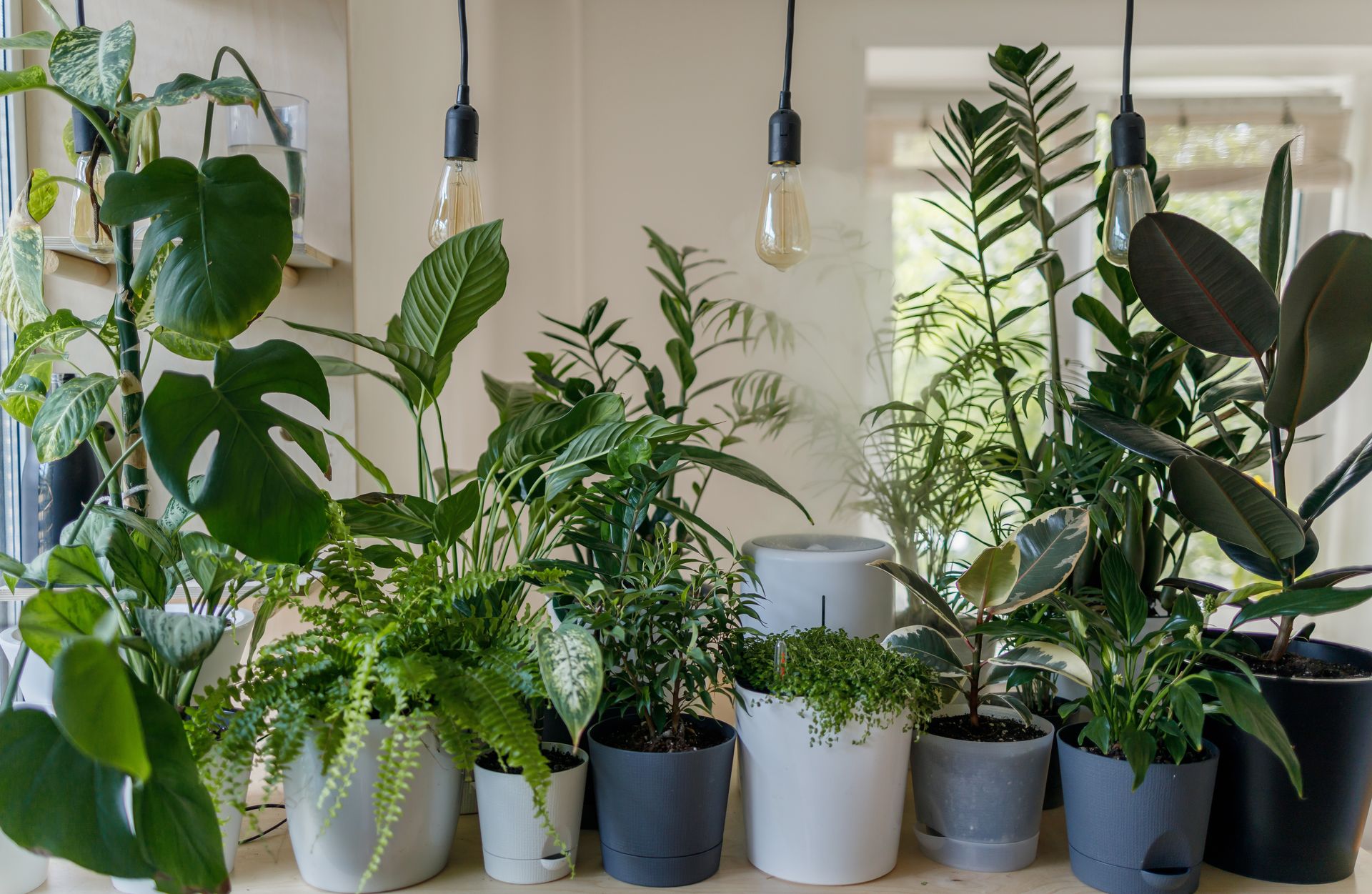
LIGHTING
Appropriate lighting is crucial for the health and growth of indoor plants. This summary emphasizes the importance of understanding a plant’s specific light requirements and finding the right placement within a home. It also touches on the benefits of natural sunlight, the use of artificial grow lights, and the importance of monitoring light levels to prevent overexposure or inadequate illumination. Overall, the summary aims to empower readers with the knowledge needed to create optimal lighting conditions for their indoor plants, ensuring they thrive and flourish.
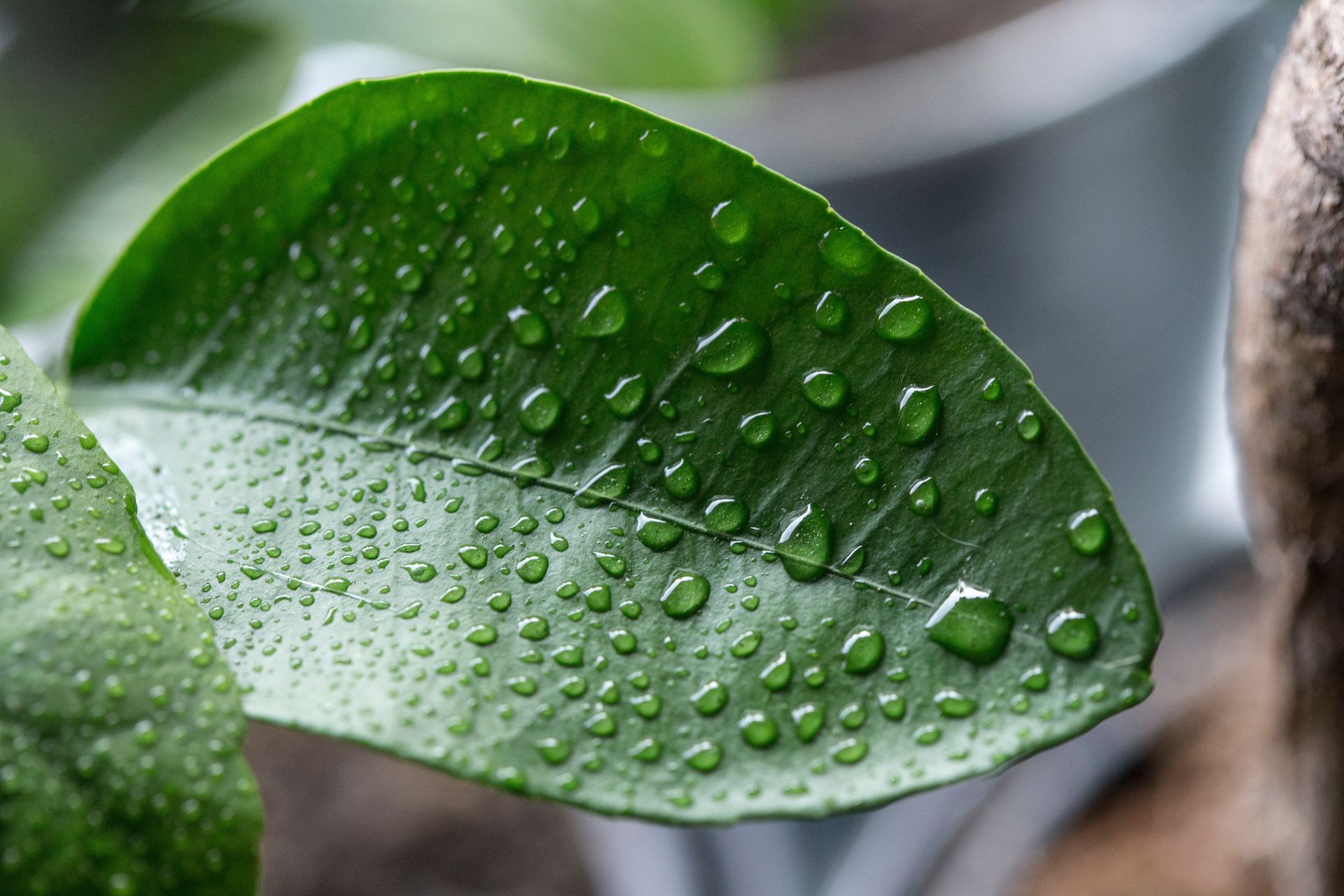
PROPER WATERING
Proper watering techniques are vital for the well-being of indoor plants. This summary highlights the significance of understanding each plant’s unique watering needs, taking into account factors like species, pot size, and environmental conditions. It emphasizes the importance of allowing the soil to dry out between waterings to prevent overwatering, which can lead to root rot. Additionally, it advises against underwatering, which can cause stress and damage to the plant. By providing practical insights on watering frequency and methods, this summary equips readers with the skills to nurture healthy, thriving indoor greenery.
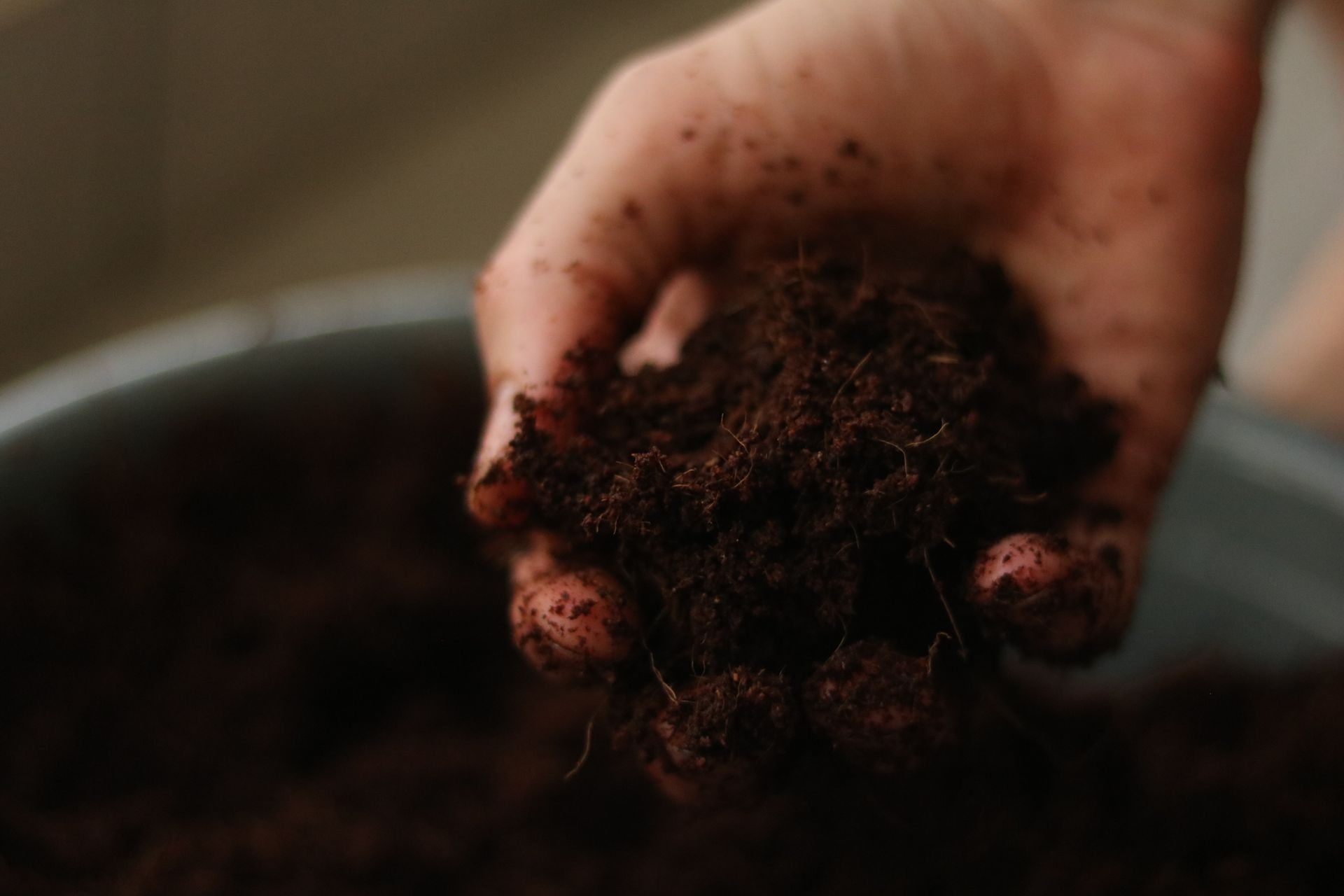
POTTING SOIL
Choosing the right potting soil is a critical aspect of successful houseplant care. This summary emphasizes the importance of selecting a well-draining, nutrient-rich soil mix tailored to the specific needs of each plant species. It highlights the benefits of using high-quality potting mixtures, which provide essential nutrients, aeration, and proper moisture retention. Additionally, the summary advises against using garden soil, as it may lead to drainage issues and hinder plant growth. By offering practical insights on selecting suitable potting soil, this summary empowers readers to create an optimal environment for their houseplants to thrive and flourish.
A good potting soil for houseplants should provide a well-balanced environment for root growth, moisture retention, aeration, and nutrient uptake. Here are some key qualities to look for:
1. Well-Draining: It should allow excess water to drain easily, preventing waterlogged roots and potential rot. Look for mixes labeled as “well-draining” or “fast-draining.”
2. Adequate Aeration: The soil should be light and airy to allow oxygen to reach the roots. This promotes healthy root development.
3. Nutrient-Rich: Look for potting soils enriched with organic matter or added nutrients. This provides essential elements for plant growth.
4. pH Neutral: A pH level close to neutral (around 6-7) is generally suitable for most houseplants. This allows for proper nutrient uptake.
5. Free of Diseases and Pests: Ensure that the potting soil is sterile and free from any pathogens or pests that could harm your plants.
6. No Artificial Additives: Avoid soils with excessive chemical additives or synthetic fertilizers, as these can sometimes do more harm than good.
7. Suitable for Plant Types: Consider the specific needs of your plants. For example, succulents and cacti benefit from a well-draining, sandy mix, while tropical plants may require a more moisture-retentive soil.
You can also choose to make your own potting mix by combining components like perlite, vermiculite, peat moss, and compost. This allows you to customize the soil to meet the specific requirements of your houseplants.
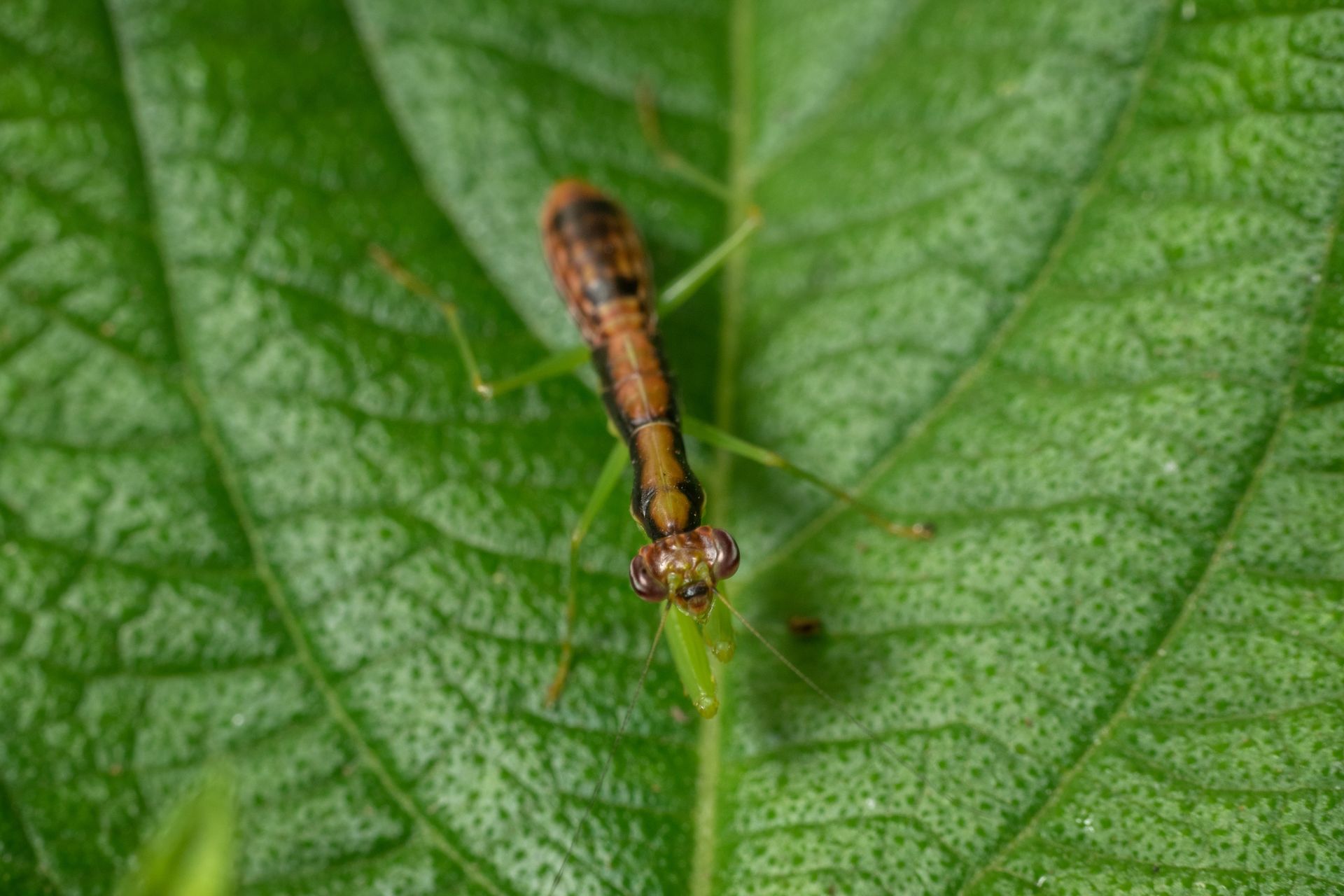
PEST MANAGEMENT
Effective pest management is crucial for maintaining healthy houseplants. This summary underscores the importance of regular inspection to detect early signs of pests. It advises using natural remedies like neem oil or insecticidal soap for mild infestations, while emphasizing the significance of quarantine for new plants. Additionally, the summary recommends maintaining a clean environment, avoiding overwatering, and ensuring proper ventilation to deter pests. For more severe cases, it suggests seeking professional advice or using targeted chemical treatments as a last resort. By providing practical strategies for pest control, this summary equips readers with the knowledge to safeguard their houseplants from potential threats.
Effective pest management for houseplants involves a combination of preventive measures and targeted treatments. Here are some tips:
1. Regular Inspection: Regularly inspect your plants for signs of pests like discolored or damaged leaves, webs, or visible insects.
2. Isolation: Quarantine new plants for a few weeks before integrating them into your collection. This helps prevent introducing pests to established plants.
3. Natural Remedies: For mild infestations, try natural remedies like neem oil, insecticidal soap, or a mixture of water and mild dish soap. These solutions can help control pests without harming your plants.
4. Physical Removal: Use a soft brush or cloth to physically remove pests like spider mites or aphids from the leaves.
5. Neem Oil: Neem oil is a natural insecticide and fungicide that can be effective against a variety of pests. Dilute it according to the manufacturer’s instructions and apply it to affected areas.
6. Beneficial Insects: Introduce beneficial insects like ladybugs or predatory mites, which can help control pest populations.
7. Sticky Traps: Yellow sticky traps can be placed near plants to catch flying insects like fungus gnats.
8. Pruning: Remove heavily infested or damaged parts of the plant to prevent the spread of pests.
9. Maintain Cleanliness: Keep the area around your plants clean and free of debris, as this can harbor pests.
10. Avoid Overwatering: Overwatering can create conditions conducive to pests like fungus gnats. Allow the soil to dry out slightly between waterings.
Remember to identify the specific pest and research the most effective treatment for that particular type. Always follow instructions on any treatments or insecticides used, and consider non-chemical methods first.
FERTILIZER
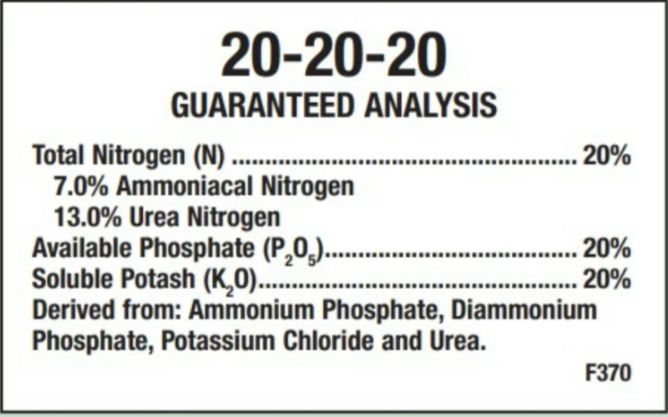
A balanced, water-soluble fertilizer with a ratio such as 20-20-20 or 10-10-10 is generally a good choice for most houseplants. These formulations provide a balanced mix of essential nutrients like nitrogen, phosphorus, and potassium, which are crucial for healthy growth.
Additionally, you might consider using a slow-release granular fertilizer, which provides nutrients over an extended period. Always follow the manufacturer’s instructions for dosage and application frequency, as over-fertilizing can be harmful to plants.
PRUNING
Pruning houseplants is a crucial aspect of their care. This summary emphasizes the benefits of regular pruning, which includes removing dead or damaged foliage, promoting new growth, and maintaining an attractive appearance. It advises using clean, sharp tools to make precise cuts and recommends researching specific pruning techniques for different plant species. Additionally, the summary highlights the importance of timing, suggesting that pruning be done during the active growing season for best results. By offering practical insights on proper pruning techniques, this summary equips readers with the knowledge to nurture healthy, thriving indoor plants.
Sanitizing houseplant cutting tools is important to prevent the spread of diseases or pests between plants. Here’s a simple process to do so:
1. Gather Supplies:
• Rubbing alcohol or hydrogen peroxide
• Clean cloth or paper towel
• Small container or spray bottle
2. Prepare the Sanitizing Solution:
• Pour a small amount of rubbing alcohol or hydrogen peroxide into a container or spray bottle.
3. Clean the Tools:
• Use a clean cloth or paper towel to wipe away any dirt or debris from the cutting tools.
4. Soak or Spray:
• Dip the cutting edges of the tools into the sanitizing solution, or spray it directly onto the blades. Ensure they are fully coated.
5. Allow to Air Dry:
• Let the tools air dry completely. This will ensure any remaining pathogens are effectively killed.
6. Store Properly:
• Store the sanitized tools in a clean, dry place, away from moisture or soil.
7. Repeat as Needed:
• It’s a good practice to sanitize your cutting tools before and after each use, especially if you’re working on multiple plants or different areas of your garden.
By following these steps, you’ll help maintain the health of your houseplants and prevent the potential spread of diseases.