

Golden Splendor: Growing Cassia Trees in South Louisiana
Thriving Under the Golden Canopy
Essential Care Tips for Cassia Trees
By Rochelle Carriere | November 8, 2023 | Beau Monde Nursery Landscape & Florist
Where did Cassia trees originate from?
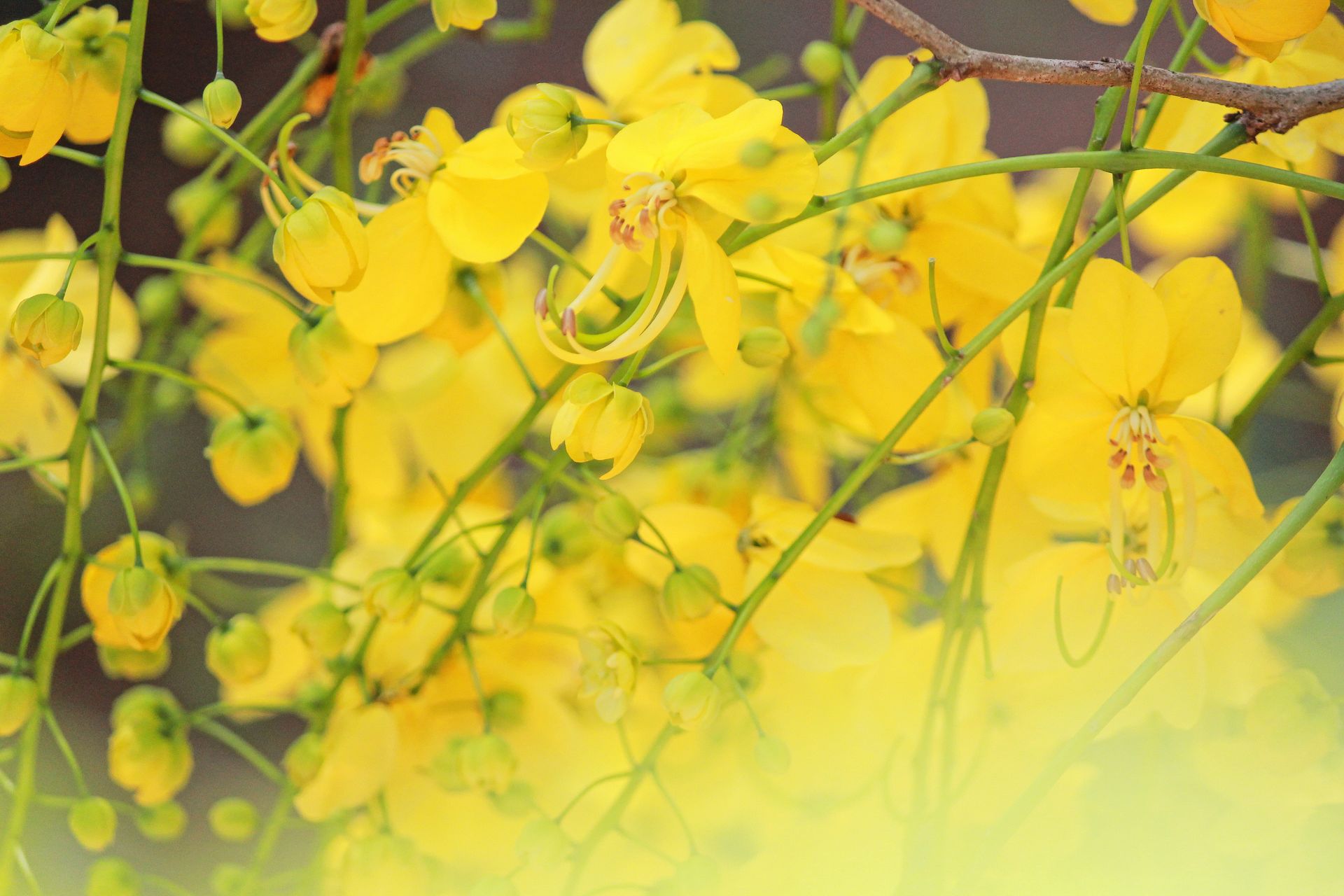
*Cassia splendida*, commonly known as Senna or Candlestick Tree, is native to Madagascar. However, it has been cultivated and can be found in various tropical and subtropical regions around the world. This includes places like Louisiana, Florida, parts of the Caribbean, and some regions of Asia and Australia. Keep in mind that it might not be native to these areas but can still be found there due to cultivation.
Are Cassia trees drought tolerant?
Yes, Cassia splendida, also known as Senna or Candlestick Tree, is considered to be drought-tolerant once established. It has adapted to survive in arid climates and can withstand periods of low water availability. However, like many plants, it's important to provide adequate water, especially during its initial establishment period. Once it's established, it can generally thrive with less frequent watering. Remember, even drought-tolerant plants benefit from occasional watering during extended dry spells.
How much sun does a Cassia tree need?
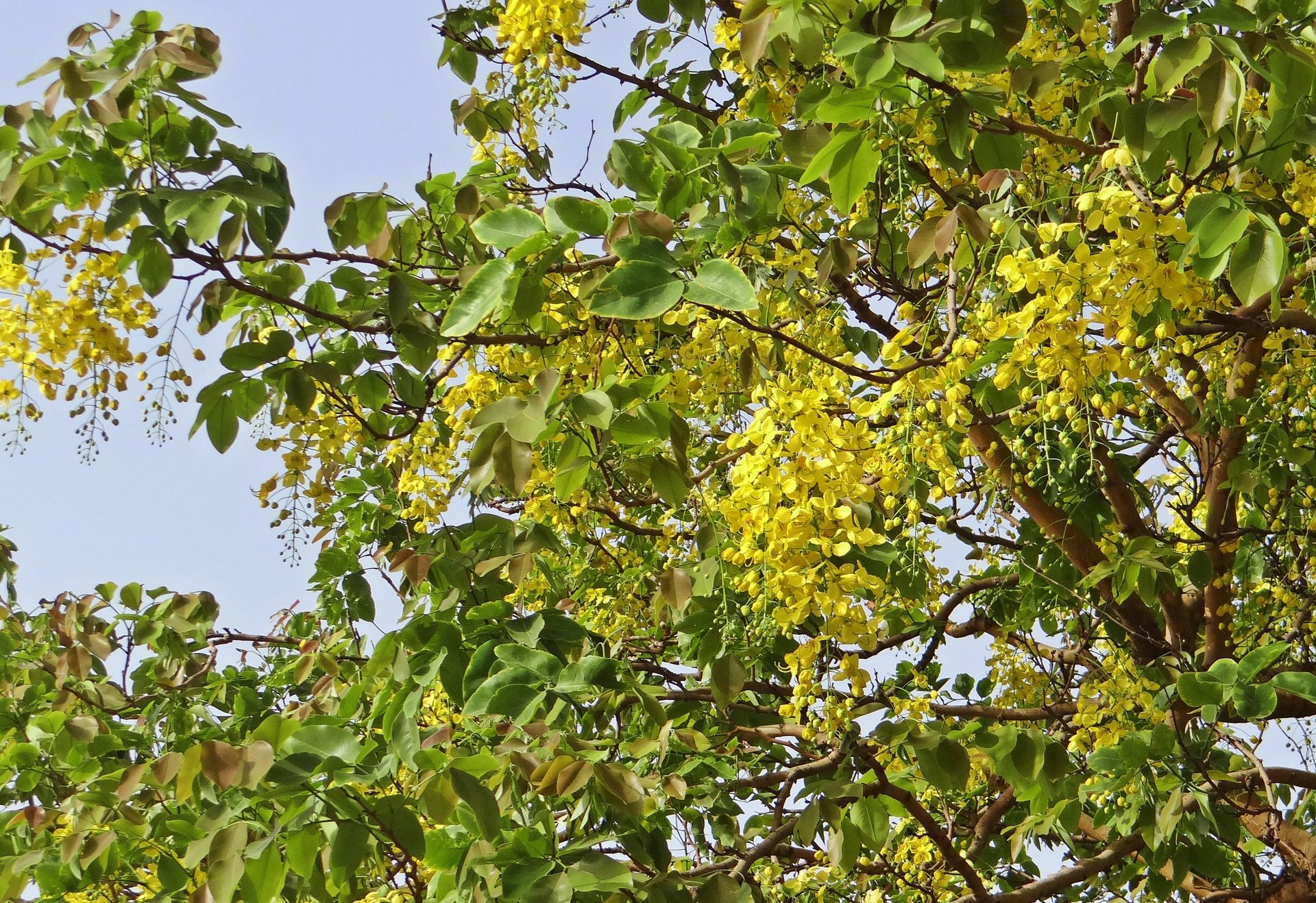
Cassia splendida, also known as Senna or Candlestick Tree, typically thrives in full sun to partial shade. It prefers at least 6 hours of direct sunlight per day for optimal growth and blooming. Providing ample sunlight helps promote healthy foliage and vibrant blooms. Keep in mind that while it can tolerate partial shade, it may not flower as prolifically in such conditions.
How tall do Cassia trees grow?
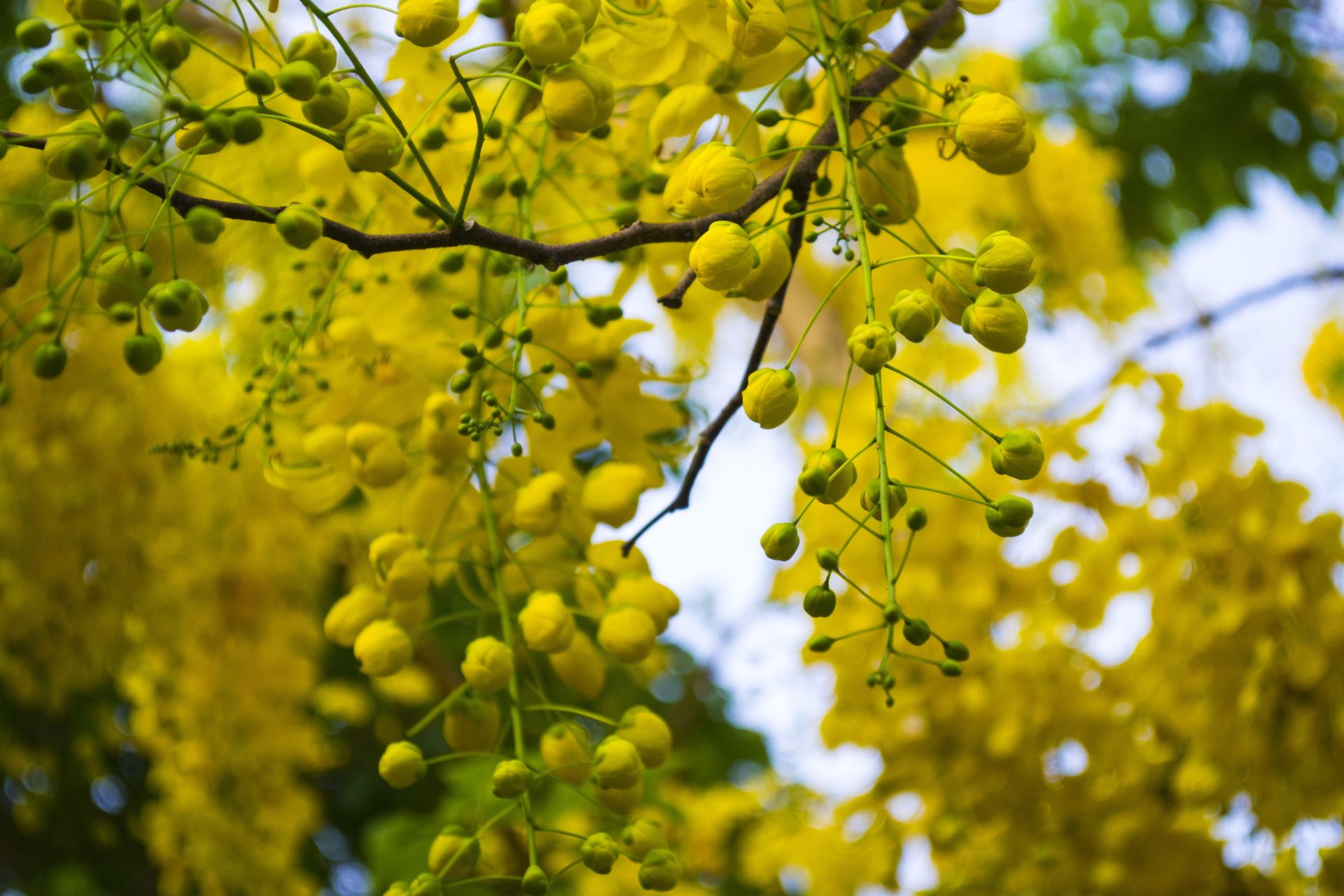
What soil PH does Cassia trees need?
Cassia splendida, also known as Senna or Candlestick Tree, generally prefers slightly acidic to neutral soil with a pH range of about 6.0 to 7.5. However, it can tolerate a wider pH range and is known to be adaptable to various soil types. It's important to ensure that the soil is well-draining, as excessive water retention can be detrimental to the plant's health. If you're unsure about the pH of your soil, a simple soil test kit can help you determine it.
How do you fertilize a Cassia tree?
To fertilize a Cassia splendida tree, follow these general guidelines:
1. **Timing:** Fertilize in the spring or early summer, when the plant is actively growing.
2. **Choose the Right Fertilizer:** Use a balanced, slow-release fertilizer with a ratio like 10-10-10 or 14-14-14. This means it contains equal amounts of nitrogen (N), phosphorus (P), and potassium (K), along with other essential nutrients.
3. **Measure Properly:** Follow the instructions on the fertilizer packaging for the correct amount to use based on the size and age of your Cassia splendida tree.
4. **Application:** Sprinkle the fertilizer evenly over the soil around the tree, avoiding direct contact with the trunk.
5. **Watering In:** Water the area thoroughly after applying the fertilizer. This helps dissolve the nutrients and carry them into the root zone.
6. **Avoid Over-fertilizing:** Too much fertilizer can harm the tree, so be careful not to exceed the recommended dosage.
7. **Monitor Growth:** Watch for signs of nutrient deficiency or excess (e.g., yellowing leaves, stunted growth) and adjust your fertilization schedule accordingly.
What disease can Cassia trees be susceptible to?
1. Powdery Mildew: A fungal disease that appears as a white powdery substance on the leaves.
2. Root Rot: Caused by waterlogged soil or poorly draining conditions, leading to decay of the roots.
3. Leaf Spot: This fungal infection causes dark spots to appear on the leaves.
4. Canker: Canker is a fungal or bacterial disease that leads to localized areas of dead tissue on the branches or trunk.
5. Anthracnose: Another fungal disease that can lead to brown spots and lesions on the leaves.
6.
Rust: Rust is a fungal disease that appears as orange or reddish spots on the leaves.
7.
Dieback: This is a condition where the branches or tips of the tree die off, often due to various stressors including disease.
8.
Bacterial Leaf Blight: This bacterial disease causes water-soaked lesions on the leaves which may turn necrotic.
How do you take care of a Cassia tree during winter living in zone 9?
In Zone 9, where winters are relatively mild, Cassia trees still benefit from some care to ensure their health and vitality. Here are some tips for winter care of a Cassia tree in Zone 9:
1. **Mulching**: Apply a layer of organic mulch around the base of the tree. This helps regulate soil temperature and moisture levels.
2. **Watering**: Even though winters are mild, it's important to water the tree if there has been an extended period of dry weather. Aim to keep the soil consistently moist but not waterlogged.
3. **Pruning**: Perform any necessary pruning during late winter or early spring, before new growth begins. Remove dead or diseased branches, and shape the tree as needed.
4. **Fertilizing**: Hold off on fertilizing during winter. Resume fertilization in early spring to support new growth.
5. **Protection from Cold Snaps**: If your area experiences unexpected cold snaps, consider providing temporary protection for the tree. This can include wrapping the trunk with burlap or using frost cloth.
6. **Monitor for Pests and Diseases**: Keep an eye out for signs of pests or diseases, and take appropriate action if needed.
7. **Avoid Overwatering**: While it's important to keep the soil consistently moist, make sure not to overwater, as this can lead to root rot.
As we conclude our exploration of Cassia trees, it's evident that these magnificent specimens not only grace our landscapes with their golden splendor but also hold cultural, historical, and ecological significance. Their resilience and beauty make them a cherished addition to gardens worldwide. May the vibrant blooms of Cassia continue to inspire admiration and awe, reminding us of nature's capacity for wonder and delight.