

🌾 Top Native Louisiana Plants for a Low‑Maintenance, Heat‑Proof Landscape (2026 Guide)
Easy‑Care Louisiana Natives Perfect for Hot, Humid South Louisiana Yards
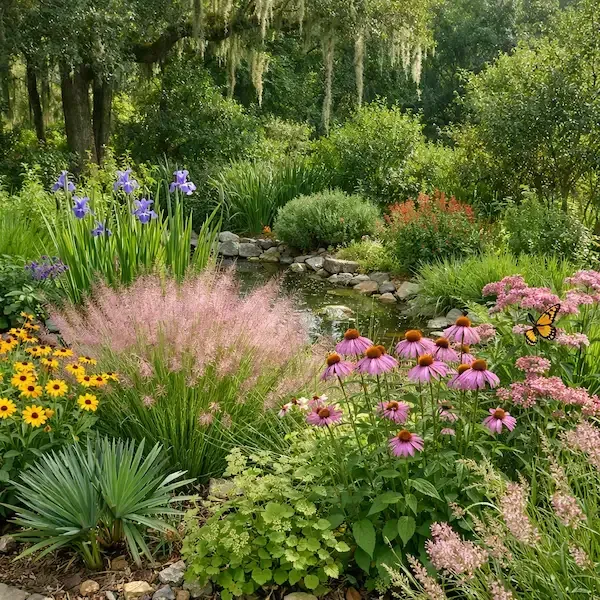
Native Louisiana plants are becoming the go‑to choice for homeowners who want a beautiful landscape without the constant upkeep. These plants are built for our heat, humidity, heavy rains, and long dry spells — meaning they thrive where many traditional landscape plants struggle. Whether you’re refreshing a front yard or building a full garden from scratch, choosing natives gives you color, resilience, and year‑round interest with far less maintenance.
🌿 Top Native Louisiana Plants for 2026
These are the native plants performing best in Acadiana landscapes right now — heat‑tough, low‑maintenance, and beautiful all year.
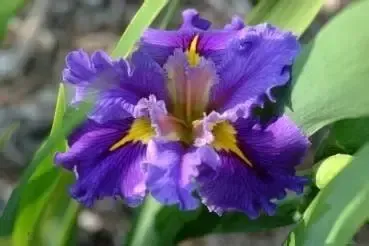
Louisiana Iris (Iris giganticaerulea)
Bold color for wet or dry areas
A signature Louisiana native with vibrant purple-blue blooms and strong vertical foliage. Thrives in wet soils, rain gardens, and pond edges but adapts well to regular beds. Offers big seasonal color with very little maintenance.
- Light: Full sun to part shade
- Evergreen: No
- Maintenance: Low
Louisiana Iris is one of the most iconic native perennials in South Louisiana. Known for its tall, sword‑like foliage and large, vibrant blooms, this iris thrives in wet soils, ditches, pond edges, and rain gardens. Flowers range from deep purple to blue‑violet and appear in spring, creating a bold, dramatic display. It’s a staple plant for naturalized areas and native landscapes across Acadiana.
Type Perennial
Height 3–6 feet
Spread 2–3 feet
Sunlight Full sun to partial shade
Soil Moist to wet; thrives in clay, loam, and boggy areas
Bloom Time Spring (March–May)
Flower Colors Purple, blue‑violet (varies by selection)
Wildlife Value Attracts bees, butterflies, and hummingbirds
Maintenance Low; divide clumps every few years for vigor
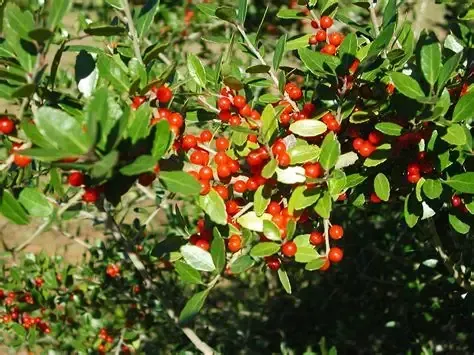
Yaupon Holly (Ilex vomitoria)
Evergreen structure and berries
A tough, heat‑proof evergreen that brings year‑round structure to Louisiana landscapes. Female varieties produce bright red berries that attract birds. Handles drought, flooding, and poor soils with ease.
- Light: Full sun to part shade
- Evergreen: Yes
- Maintenance: Low
Yaupon Holly is one of the toughest and most versatile native shrubs in Louisiana. It thrives in heat, humidity, drought, and poor soils — making it a reliable backbone plant for both residential and commercial landscapes. Its small, glossy evergreen leaves provide year‑round structure, while female plants produce bright red berries that attract birds through fall and winter. Available in tree‑form, shrub‑form, and dwarf cultivars, Yaupon fits almost any landscape style.
Type Evergreen shrub or small tree
Height 6–20 feet (varies by cultivar)
Spread 4–12 feet
Sunlight Full sun to partial shade
Soil Extremely adaptable; tolerates clay, sand, and poor drainage
Growth Rate Moderate
Foliage Small, glossy, evergreen leaves
Berries Bright red (female plants only) — high wildlife value
Wildlife Value Attracts birds; provides shelter and nesting cover
Maintenance Very low; handles pruning well; drought‑tolerant once established
Gulf Muhly Grass (Muhlenbergia capillaris)
Pink fall plumes
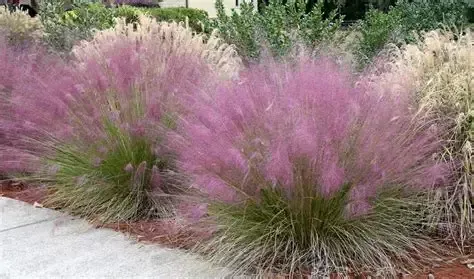
One of the most striking native grasses, known for its pink, cloud‑like plumes in fall. Thrives in heat, poor soil, and drought. Adds movement, texture, and modern style to any landscape.
- Light: Full sun
- Evergreen: No
- Maintenance: Very low
Gulf Muhly Grass is one of the most striking native grasses used in Louisiana landscaping. Known for its airy, pink‑purple plumes that appear in fall, this ornamental grass creates a soft, cloud‑like effect that glows in morning and evening light. It’s drought‑tolerant, low‑maintenance, and thrives in the heat — making it a standout choice for Acadiana landscapes.
Type Perennial ornamental grass
Height 2–4 feet (including plumes)
Spread 2–3 feet
Sunlight Full sun (best) to light partial shade
Soil Well‑drained; tolerates sandy, loamy, and clay soils
Bloom Time Fall (September–November)
Plume Color Pink to purple, airy, cloud‑like
Wildlife Value Provides shelter for small wildlife; attracts beneficial insects
Maintenance Very low; cut back in late winter before new growth
Purple Coneflower (Echinacea purpurea)
Pollinator magnet
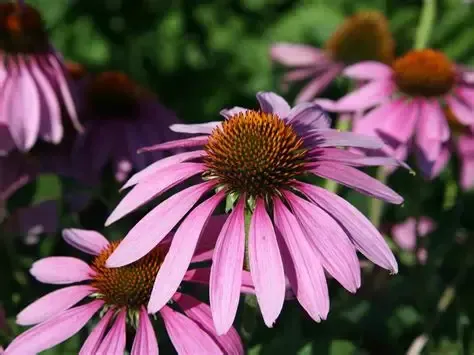
A long‑blooming perennial with pink‑purple petals and bold centers. Extremely heat‑tolerant and beloved by bees, butterflies, and birds. Great for cottage gardens, pollinator beds, and cut‑flower use.
- Light: Full sun
- Evergreen: No
- Maintenance: Low
Purple Coneflower is one of the most reliable and eye‑catching native perennials for Louisiana landscapes. It produces large, daisy‑like pink‑purple petals surrounding a raised orange‑brown cone. Tough, drought‑tolerant, and long‑blooming, it thrives in full sun and attracts butterflies, bees, and songbirds. It’s a staple plant for pollinator gardens and blends perfectly with other Louisiana natives.
Type Perennial
Height 2–4 feet
Spread 1.5–2.5 feet
Sunlight Full sun (best) to light partial shade
Soil Well‑drained; tolerates clay, loam, and sandy soils
Bloom Time Late Spring through fall
Flower Color Pink‑purple petals with orange‑brown cone
Wildlife Value Major pollinator plant; seedheads feed goldfinches
Maintenance Very low; deadhead for more blooms or leave seedheads for birds
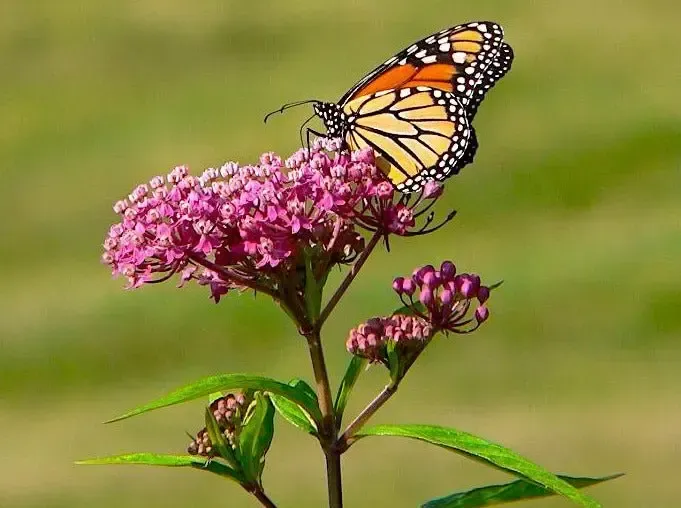
Swamp Milkweed (Asclepias incarnata)
Essential for monarchs
Swamp Milkweed is a hardy, native perennial that thrives in Louisiana’s wet soils and humid climate. It grows upright with slender, lance‑shaped leaves and clusters of pink to mauve flowers that bloom from late spring through summer. The blooms attract Monarch butterflies, bees, and other pollinators, making it a cornerstone plant for any native or pollinator garden.
Height 3–5 feet
Spread 2–3 feet
Sunlight Full sun to partial shade
Soil Moist, well‑drained; tolerates clay and loam
Bloom Time Late Spring to early fall
Flower Color Pink to rose‑purple
Wildlife Value Monarch host plant; attracts bees and butterflies
Maintenance Low; cut back in winter for fresh spring growth
Landscape Use
Perfect for rain gardens, pond edges, and pollinator beds. It pairs beautifully with Gulf Muhly Grass, Louisiana Iris, and Coneflower for a balanced, native look that thrives in Acadiana’s climate.
Choosing native Louisiana plants is one of the smartest ways to build a landscape that stays beautiful through heat, rain, and everything our South Louisiana weather throws at it. These plants work with our climate instead of against it, giving you long‑lasting color, healthier soil, and a yard that’s easier to maintain year‑round. Whether you’re updating a small bed or planning a full landscape project, native plants create a landscape that looks great today and only gets better with time.