

🍅 Growing Garden‑Raised Tomatoes in Acadiana
Easy tips for raising healthy, delicious tomatoes right here in Lafayette
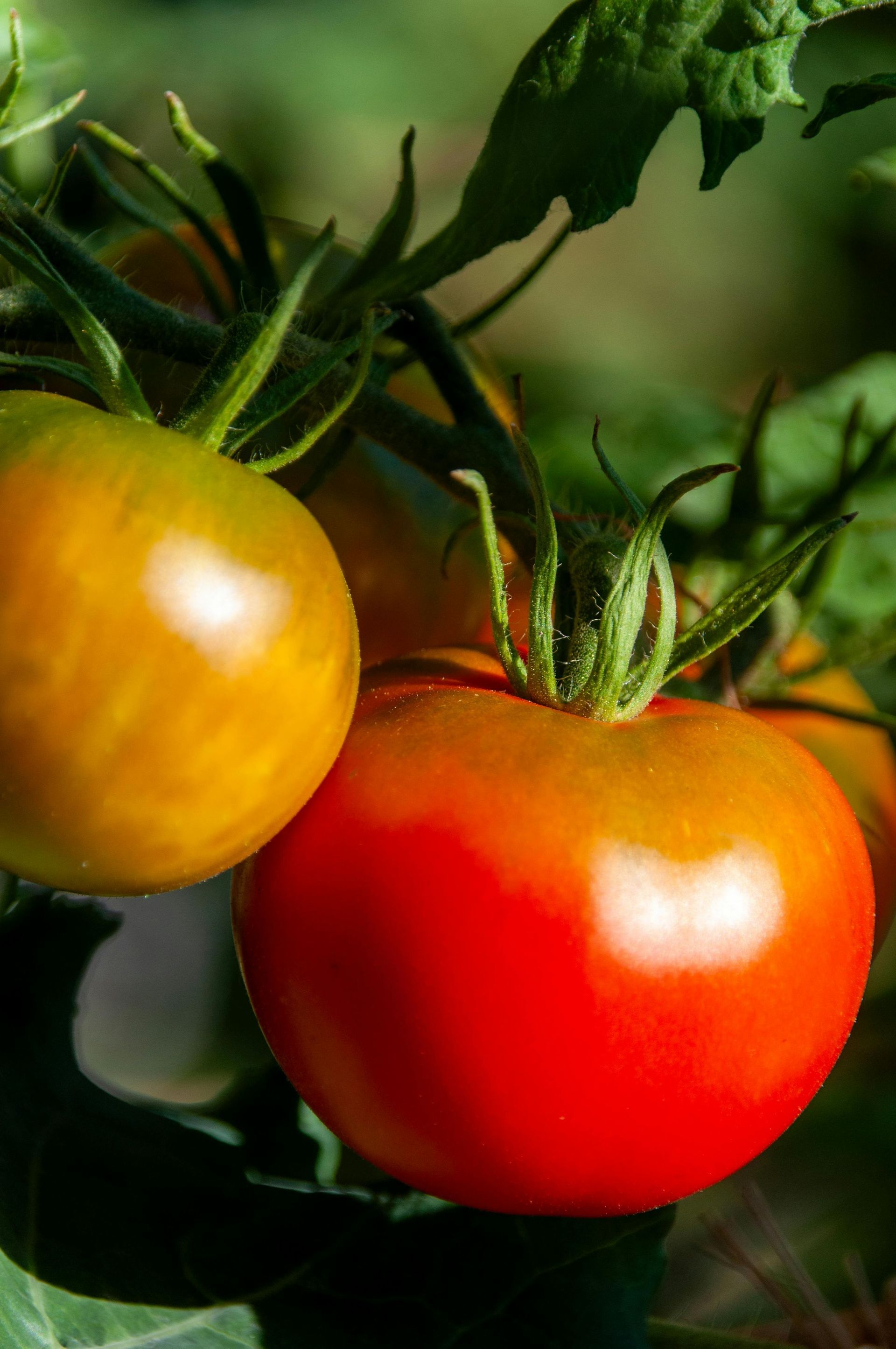
A healthy garden‑raised tomato plant, with sturdy green stems and clusters of bright, developing tomatoes.
🍅 Growing Garden‑Raised Tomatoes in Acadiana
There’s nothing quite like a homegrown tomato — warm from the sun, full of flavor, and grown right in your own backyard. Here in Acadiana, our long growing season and warm climate make it easy to grow tomatoes successfully… if you understand what they need.
Whether you’re planting in raised beds, large containers, or a small backyard garden, this guide will help you grow tomatoes that thrive in South Louisiana’s Zone 9 heat and humidity.
🌞 Choose Tomato Varieties That Love Lafayette’s Climate
Some tomatoes handle our heat better than others. For Acadiana gardeners, the best choices are:
- Celebrity — reliable, disease‑resistant, and heat‑tolerant
- Better Boy — classic flavor and strong growth
- Creole — bred specifically for Louisiana conditions
- Cherry Tomatoes (Sweet 100, Sun Gold) — thrive even in extreme heat
- Roma — great for sauces and very productive
These varieties don’t just survive here — they perform.
🪴 Why Raised Beds Work So Well in South Louisiana
Raised beds are one of the best ways to grow tomatoes in our region because they:
- Improve drainage in our clay‑heavy soils
- Warm up faster in early spring
- Reduce soil‑borne disease pressure
- Allow deeper, healthier root systems
- Make watering more consistent
If you’ve struggled with tomatoes in the ground, raised beds can be a game‑changer.
🌱 Plant Tomatoes Deep (Deeper Than You Think)
One of the biggest secrets to strong tomato plants is planting them deep.
Bury the stem up to the first set of leaves.
Tomatoes grow roots along the buried stem, creating a stronger, more drought‑tolerant plant — perfect for our hot Louisiana summers.
💧 Watering Tomatoes in Acadiana’s Heat
Tomatoes need consistent moisture, especially in raised beds.
- Water deeply 2–3 times a week
- Avoid wetting the leaves (reduces disease)
- Mulch heavily to keep roots cool
- Water early in the morning
Inconsistent watering is the #1 cause of blossom end rot in Louisiana gardens.
🌿 Feed Them Regularly
Tomatoes are heavy feeders — especially in raised beds where nutrients wash through faster.
Use:
- A balanced fertilizer at planting
- A tomato‑specific fertilizer every 2–3 weeks
- Calcium supplements if you’ve had blossom end rot before
Healthy tomatoes = steady nutrition.
🌤 Give Them Plenty of Sun
Tomatoes need 6–8 hours of direct sunlight to produce well.
Morning sun is especially important because it dries dew off the leaves and reduces disease.
If your tomatoes get afternoon shade, that’s okay — it can actually help reduce heat stress in July and August.
🍅 Common Tomato Problems in South Louisiana (and How to Fix Them)
Blossom Drop
Caused by heat, humidity, or inconsistent watering.
Solution: Afternoon shade + steady moisture.
Blossom End Rot
Caused by calcium uptake issues.
Solution: Consistent watering + calcium supplement.
Leaf Spot / Fungus
Very common in our humidity.
Solution: Mulch, prune lower leaves, water at the base.
Tomato Hornworms
They show up overnight.
Solution: Hand‑pick or use Bt.
🌿 What is Bt?
Bt stands for Bacillus thuringiensis, which is a natural, organic, soil‑dwelling bacteria used to control caterpillars — including tomato hornworms, which love to destroy tomato plants overnight.
Here’s the simple version:
✔️ Bt is an organic caterpillar control
It only affects leaf‑eating caterpillars, not bees, butterflies, pets, people, or beneficial insects.
✔️ It’s safe for vegetable gardens
Gardeners use it on tomatoes, peppers, cabbage, herbs — anything caterpillar's chew.
✔️ It works by targeting the caterpillar’s digestive system
When caterpillars eat leaves treated with Bt, they stop feeding and die within a couple of days.
✔️ It’s approved for organic gardening
🌱 When to Use Bt on Tomatoes
Use Bt when you see:
- chewed leaves
- missing foliage
- droppings (little black pellets)
- hornworms hiding on stems
- caterpillars on the underside of leaves
If you prefer hand‑picking, that works too — but Bt is a great backup when they’re hard to spot.
NOTE: 🌿 We Carry Thuricide (Bt) at Beau Monde
If you prefer an organic way to control tomato hornworms and other leaf‑eating caterpillars, we carry Thuricide, a trusted Bt (Bacillus thuringiensis) product that’s safe for vegetable gardens. It targets caterpillars only and won’t harm bees, butterflies, pets, or people. It’s one of the easiest, most effective organic options for protecting tomatoes here in Acadiana’s warm, humid climate.
🌿 Organic Ways to Fertilize Your Garden‑Raised Tomatoes
If you prefer a more natural approach, tomatoes respond beautifully to organic fertilizers. These options feed slowly, improve soil health, and help your plants handle our South Louisiana heat and humidity.
Here are the best organic choices for raised‑bed tomatoes in Acadiana:
🍂 1. Compost (Your Garden’s Best Friend)
Compost adds nutrients, improves drainage, and helps soil hold moisture — all essential for tomatoes in raised beds.
How to use:
Mix a few inches into the top of your soil at planting, then add a thin layer every month.
🐟 2. Fish Emulsion
A classic organic fertilizer that tomatoes love. It boosts leafy growth early in the season.
How to use:
Dilute and apply every 2–3 weeks.
Perfect for young plants getting established.
🌺 The Secret to Great Tomatoes in Acadiana
The real secret?
Consistency.
Consistent watering, consistent feeding, consistent sunlight.
Tomatoes love routine — and when you give them what they need, they’ll reward you with baskets of fruit all season long.
🥚 3. Crushed Eggshells
Eggshells break down slowly and add calcium — which helps prevent blossom end rot (a common problem in Louisiana gardens).
How to use:
Crush finely and mix into the planting hole or sprinkle around the base.
🐄 4. Aged Manure
Cow, horse, or chicken manure adds slow, steady nutrition and improves soil structure.
How to use:
Only use aged manure — fresh manure is too strong and can burn plants.
🌱 5. Worm Castings
One of the richest, most gentle organic fertilizers. Castings improve soil life and help tomatoes take up nutrients more efficiently.
How to use:
Mix into the top few inches of soil or sprinkle around the base every month.
🫘 6. Alfalfa Meal
A great organic option for boosting early growth. It contains natural growth hormones that tomatoes respond well to.
How to use:
Mix a handful into the soil at planting.
🐚 7. Organic Tomato Fertilizer Blends
These blends combine bone meal, kelp, feather meal, and other natural ingredients. They’re balanced, easy to use, and perfect for raised beds.
How to use:
Apply every 3–4 weeks during the growing season.
🌺 Why Organic Works So Well in Raised Beds
Raised beds drain faster, warm up quicker, and lose nutrients more easily — which makes slow‑release organic fertilizers a perfect match. They feed your tomatoes steadily without overwhelming them.
If you ever want help choosing the right tomato varieties or setting up a raised bed, come by the garden center.
Grab a coffee☕, and let’s talk tomatoes. 🍅