

Where is the best place to plant a Peggy Martin rose?
Where is the best place to plant a Peggy Martin rose?
How to Grow Peggy Martin Roses Successfully in Zone 9 Gardens
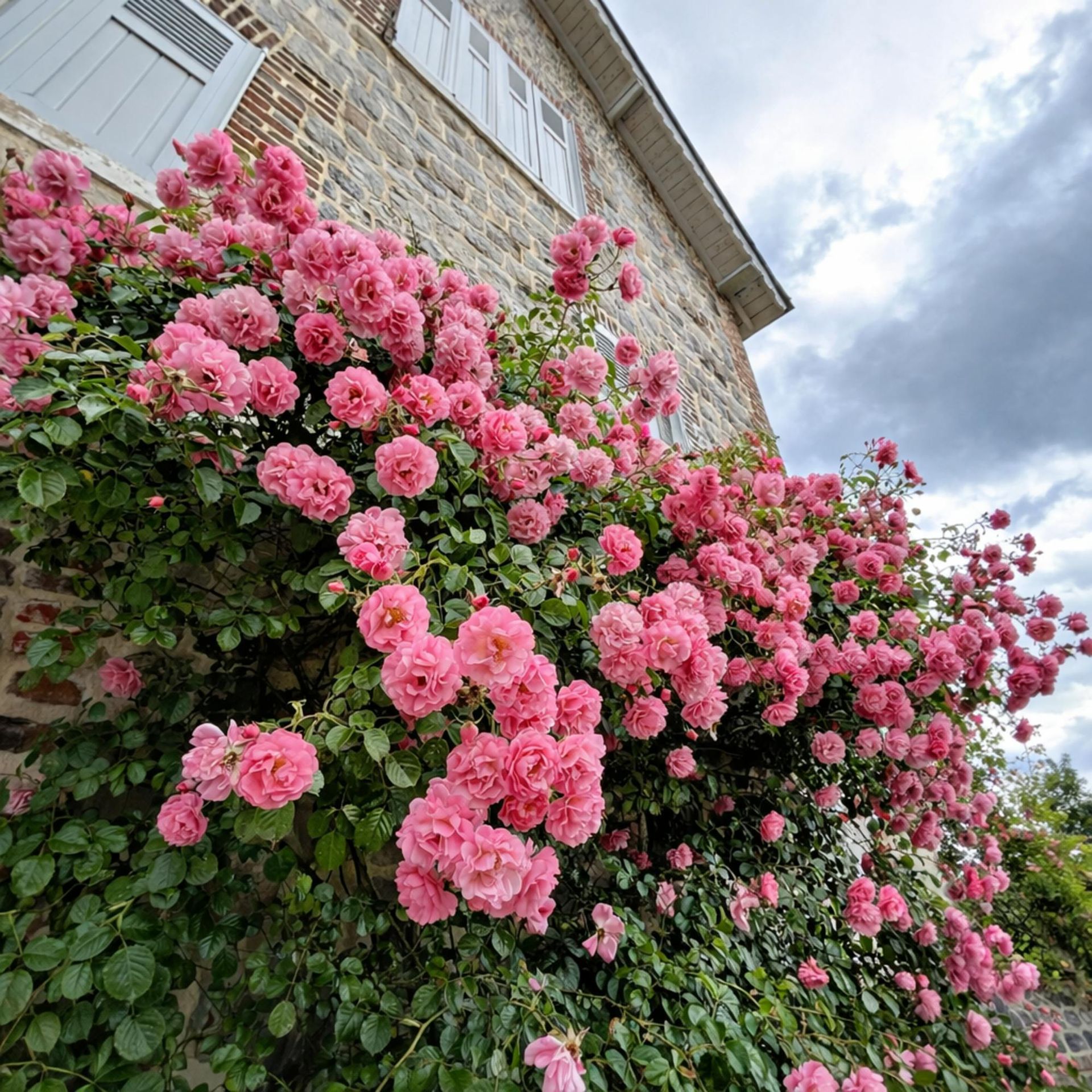
The Peggy Martin rose is one of the most resilient and beloved climbing roses in the South. Known for its vigorous growth, thornless canes, and massive clusters of pink blooms, it thrives beautifully in Zone 9, especially across South Louisiana. Choosing the right planting location is the key to getting the strongest growth, the heaviest bloom cycles, and the healthiest plant possible.
1. Choose Full Sun for Maximum Blooms
Peggy Martin roses perform best in full sun, meaning at least 6 hours of direct sunlight daily. Morning sun is especially beneficial because it dries dew quickly and reduces disease pressure.
- Full sun = strongest canes + most flowers.
- Light afternoon shade is okay during extreme summer heat.
2. Plant in Well‑Drained, Amended Soil
These roses prefer well‑drained soil with a slightly acidic to neutral pH (around 6.0–7.0).
In South Louisiana’s heavy clay soils, improve drainage by adding:
- compost
- aged manure
- pine bark fines
- gypsum (optional for clay improvement)
Avoid low‑lying or flood‑prone areas. If drainage is poor, plant in a raised bed or mound.
3. Provide Strong Vertical Support
Peggy Martin roses can reach 15–20 feet, so they need a sturdy structure. Ideal supports include:
- chain‑link fences
- wooden privacy fences
- arbors
- pergolas
- porch posts
- trellises
Train the canes early so they grow in the direction you want.
4. Ensure Good Air Circulation
Even though Peggy Martins are disease‑resistant, airflow still matters.
Choose a spot with:
- space around the plant
- room for canes to spread
- no tight corners or cramped beds
Good airflow reduces humidity buildup and keeps foliage healthier.
5. Best Locations for Zone 9 (South Louisiana)
In Zone 9, the ideal planting spots include:
- East‑facing fences (best morning sun)
- South‑facing walls (strong light, great winter warmth)
- Arbors at garden entrances
- Along driveways or property lines
- Near patios or porches where blooms can be enjoyed up close
Avoid west‑facing walls with intense late‑day heat unless the soil stays evenly moist.
6. When to Plant in Zone 9
The best planting times are:
- Early spring (February–April)
- Late fall (October–December)
These cooler seasons help roots establish before summer heat.
What to Fertilize Peggy Martin Roses With (Zone 9 Guide)
Peggy Martin roses are vigorous climbers and heavy feeders, which means the right fertilizer makes a big difference in how many blooms you get. In Zone 9, where the growing season is long and warm, consistent feeding keeps the plant producing strong canes and large clusters of pink flowers.
Best Fertilizer Types
1. Balanced Fertilizer (10‑10‑10)
A balanced formula provides even nutrition for overall growth. This is a reliable, all‑purpose choice for most soils.
2. Bloom‑Boosting Fertilizer (Higher Phosphorus, like 10‑20‑10 or 5‑10‑5) Phosphorus is the nutrient that drives flower production. Using a fertilizer with a higher middle number encourages bigger, more frequent blooms.
3. Slow‑Release Granular Fertilizer Ideal for early spring and after the first big bloom flush. Slow‑release formulas feed steadily and reduce the risk of burning roots.
4. Liquid Fertilizer (Optional Boost) Liquid feeds can be used between granular applications for a quick nutrient boost, especially during hot summer months.
How Often to Fertilize
Peggy Martin roses should be fertilized every 4–6 weeks during the growing season.
A simple Zone 9 schedule looks like this:
- Early Spring (March/April): First feeding as new growth appears.
- Late Spring (May/June): Feed again after the first big bloom flush.
- Summer: Continue every 4–6 weeks to support repeat blooming.
- Fall: Stop nitrogen fertilizers; if needed, use bone meal or phosphorus only.
Important Tips
- Water before and after fertilizing to prevent root burn and help nutrients move into the soil.
- Avoid high‑nitrogen fertilizers—they create lots of leaves but fewer blooms.
- Do not fertilize late in the fall with nitrogen; it encourages tender growth that can be damaged by cold.
Important Fertilizing Tips
- Water before and after fertilizing to prevent root burn
- Avoid high‑nitrogen fertilizers (they create leaves, not blooms)
- Mulch around the base to retain moisture and regulate soil temperature
- Never fertilize dry or stressed plants
The best place to plant a Peggy Martin rose in Zone 9 is a full‑sun, well‑drained location with strong vertical support and good airflow. With the right spot, this rose will reward you with massive flushes of pink blooms and vigorous growth year after year.