


Crape Myrtle Tree Trunk Splits
noreply • March 14, 2019
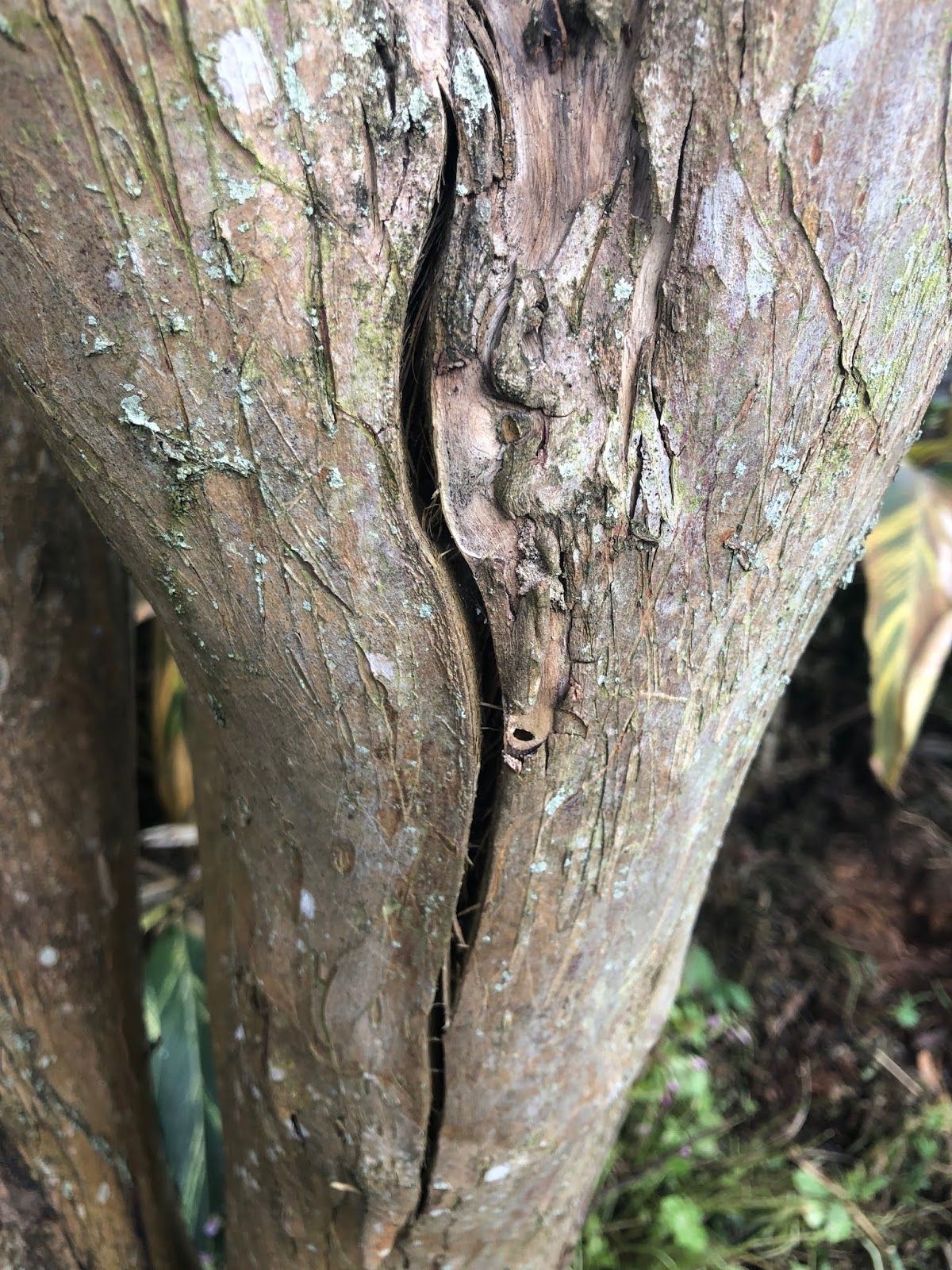
I was working in my yard a couple of days ago and noticed that one of my Crape Myrtle trees had two significant cracks on the trunk of the tree. Living in South Louisiana, this doesn't surprise me. One minute it's cold, then hot. We go through seasons when we're praying for rain, then when the rain starts, it doesn't know when to stop.
Splits can occur on the trunk of the tree as well as on branches.
Bark splits are not likely to be fatal to trees, although they will, in some cases, allow entry of disease organisms, which can cause decay. During late winter and early spring, sharp temperature changes between day and night can freeze the water within the trunk causing it to explode or split open in a symptom referred to as “frost-cracks.”
Frost cracks can also start from a wound inflicted earlier in the tree’s development. Sometimes the crack may remain in the internal wood, but frost can cause the crack to expand and split the bark.
Excessively late growth in the fall stimulated by warm temperatures, high humidity, and high nitrogen levels can increase susceptibility of trees to frost cracking. Fluctuating growth conditions may also cause splitting of bark. Dry weather followed by wet growth conditions may cause an excessive or vigorous amount of growth leading to splits in the bark. Sunscald, can cause bark injury to thin barked or young trees. Although an exact split may not be seen immediately, the outer layer of bark will peel away from the affected area in the summer following winter damage.
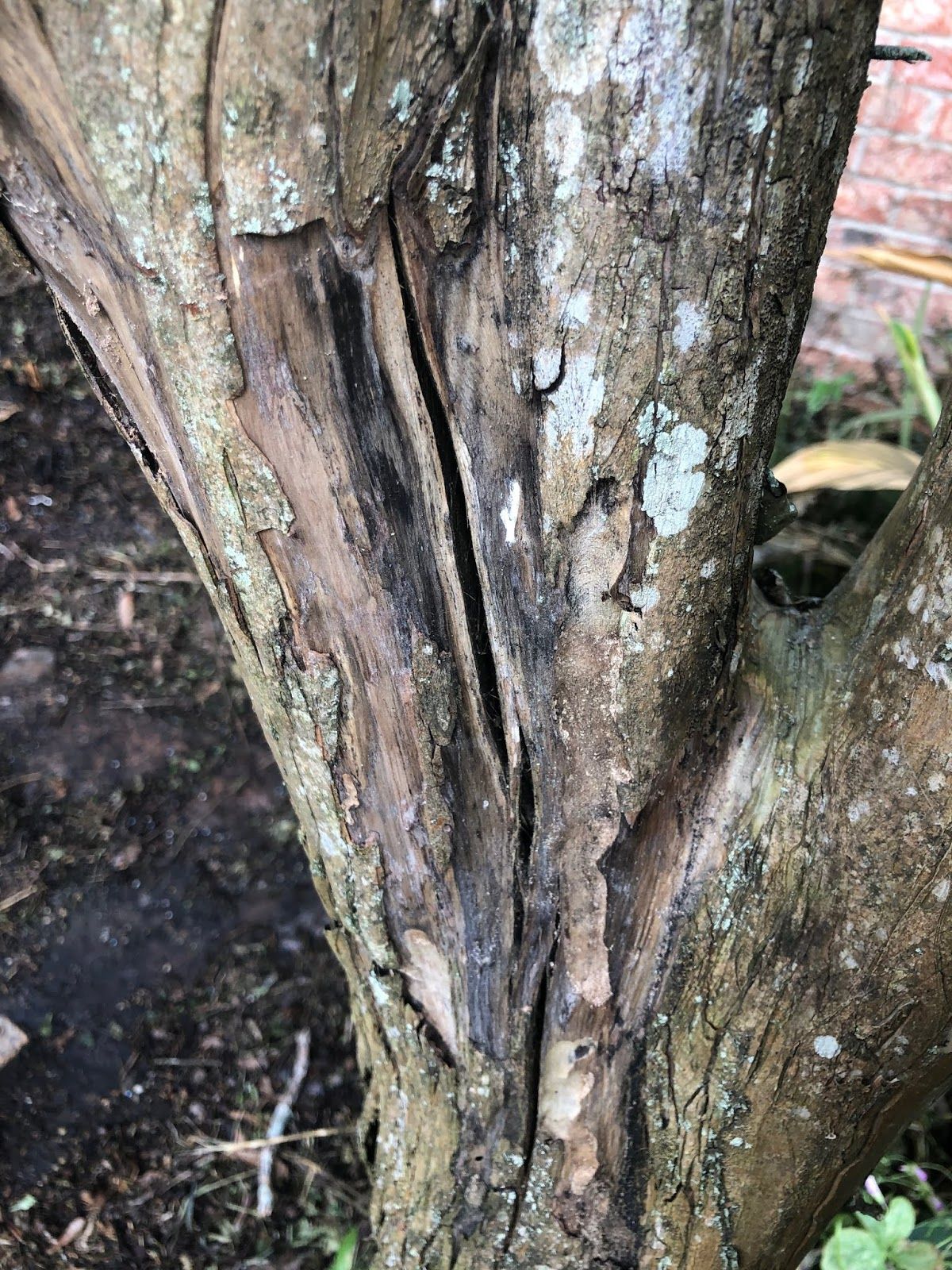
This is how to treat the open area.
1.
Gradual thin limbs over a period of years.
2. Do NOT apply wound paints.
They add very
little value in helping a tree to callus over. For this reason, do not paint or try to seal a split with paint or tar.
3.
Cleaning the edges of the wound, known as “tracing,” can be very helpful in aiding healing.
Do not enlarge the wound any more than necessary to clean the edges! With a sharp knife, starting from one end of the split, trace around one side of the wound, no more than one-half to one-inch back from the split bark. Stop at the other end and do the same procedure on the opposite side of the split. Knives should be sterilized between cuts by dipping for several minutes in a 1:10, bleach: water solution or a 70 percent alcohol solution to avoid contaminating the cuts. Carefully remove the bark from inside the traced area. You should now have a bare area with smooth edges.
4. Treat the area with Neem Oil.
5.
Encourage vigor in the tree with spring fertilizer applications-but only if the tree exhibits signs of nutrient deficiencies-and be sure to provide adequate irrigation in hot, dry weather. Bark splits will often close over completely leaving a slight ridge in the trunk where callus tissue has been produced.
NOTE: Unfortunately, Some trunk cracks may open and close for many years depending on weather conditions.
A tree growing with good vigor usually calluses over.

Spring is almost here in Acadiana, and that means it’s time to wake up your landscape after a long, messy winter. At Beau Monde Nursery, Landscape & Florist , we’re currently scheduling Spring Bed Clean‑Ups for homes and businesses across Lafayette, Scott, and the surrounding areas — and now is the perfect time to get on the list. A proper spring clean‑up does more than make your yard look neat. It sets the foundation for healthier plants, stronger growth, and a landscape that looks polished and well‑maintained all season long. 🌿 Why Spring Bed Clean‑Ups Matter Winter leaves behind debris, weeds, compacted soil, and tired flower beds. A thorough clean‑up helps your landscape: Remove winter weeds and debris Refresh mulch for better moisture retention and weed control Re‑edge beds for a clean, defined look Prune shrubs and perennials to encourage healthy new growth Improve soil health and prepare beds for new seasonal color Boost curb appeal for both homes and commercial properties A clean, well‑prepared bed is the key to a vibrant spring and summer landscape. 🌸 What’s Included in Our Spring Bed Clean‑Up Service Our team handles everything your beds need to look fresh and healthy: Full weed removal Clearing leaves, sticks, and winter debris Bed reshaping and edging Mulch installation or top‑off Shrub and perennial pruning Soil prep for spring flowers Optional seasonal color planting Whether you want a simple clean‑up or a full spring refresh with new flowers, we tailor the service to your property. 🌼 Perfect for Homes and Businesses We provide Spring Bed Clean‑Ups for: Residential homes Commercial properties Office buildings Retail centers HOAs and multi‑unit properties Restaurants and storefronts If you want your property looking sharp for spring, we’re ready. 📅 We’re Scheduling Spring Bed Clean‑Ups Right Now Spring is our busiest season, and spots fill quickly. If your flower beds need attention, now is the time to book. Call, text, or message us to schedule your Spring Bed Clean‑Up. Let Beau Monde get your landscape looking fresh, clean, and ready for the season.

*Cassia splendida*, commonly known as Senna or Candlestick Tree, is native to Madagascar. However, it has been cultivated and can be found in various tropical and subtropical regions around the world. This includes places like Louisiana, Florida, parts of the Caribbean, and some regions of Asia and Australia. Keep in mind that it might not be native to these areas but can still be found there due to cultivation.


Berries are full of sugars, fats, and antioxidants with lots of the calories. Birds need this to survive freezing winter nights.


Cream De Mint™ Dwarf PittosporumPittosporum tobira 'Shima'Pronunciation: pit-o-SPOH-rum to-BY-raDESCRIPTIONGlossy, mint green leaves with creamy white edges create a lovely accent to colorful shrubs and perennials. The new spring growth glows green-gold. This compact evergreen with dense foliage requires very little maintenance. Excellent for use as a fuss-free, low-growing hedge or fill-in plant for shrub borders.LIGHTFull sun, Partial sunWATERINGAllow soil to dry slightly before watering.BLOOMSSpringMATURE SIZESlow growing; reaches only 24 to 30 in. tall and wide.LANDSCAPE USEBorder, Container, HedgeDESIGN IDEASThis low-growing evergreen makes an excellent informal hedge or divider between different rooms in the garden. Its mint-green leaves are a perfect foil for colorful companion plants.FLOWER COLORWhiteFOLIAGE COLORGreenCOMPANION PLANTSHeavenly Bamboo (Nandina); Bottlebrush (Callistemon); Loropetalum (Loropetalum); Agapanthus (Agapanthus); Blue Oat Grass (Heliotrichon)CAREEasy to grow in average, well-drained soils. Water deeply and regularly during the first growing season to establish an extensive root system. Once established, reduce frequency; tolerate mild drought. Apply fertilizer before new growth begins in spring. For a tidy, neat appearance, prune annually to shape.Copyright© Beau Monde Landscape LLC. All Rights Reserved.
Goldenrod is generally easy to grow. It thrives in well-drained soil and prefers full sunlight. Goldenrod is known for its hardiness and ability to adapt to different soil types. It’s a low-maintenance plant, making it suitable for various garden settings. However, be mindful of its spreading nature; some varieties might be considered invasive in certain regions.Goldenrod flowers are known for their potential health benefits. Some traditional uses include treating conditions like urinary tract infections and kidney stones. Additionally, goldenrod is believed to have anti-inflammatory and diuretic properties. However, it’s essential to consult a healthcare professional before using it for medicinal purposes.Goldenrod can be beneficial for controlling soil erosion. Its dense root system helps bind the soil, reducing erosion risk. Additionally, the aboveground growth of the plant can provide ground cover, further stabilizing the soil. This makes goldenrod a potentially useful choice for erosion control in gardens or areas where soil stability is a concern.Copyright© Beau Monde Landscape LLC. All Rights Reserved.
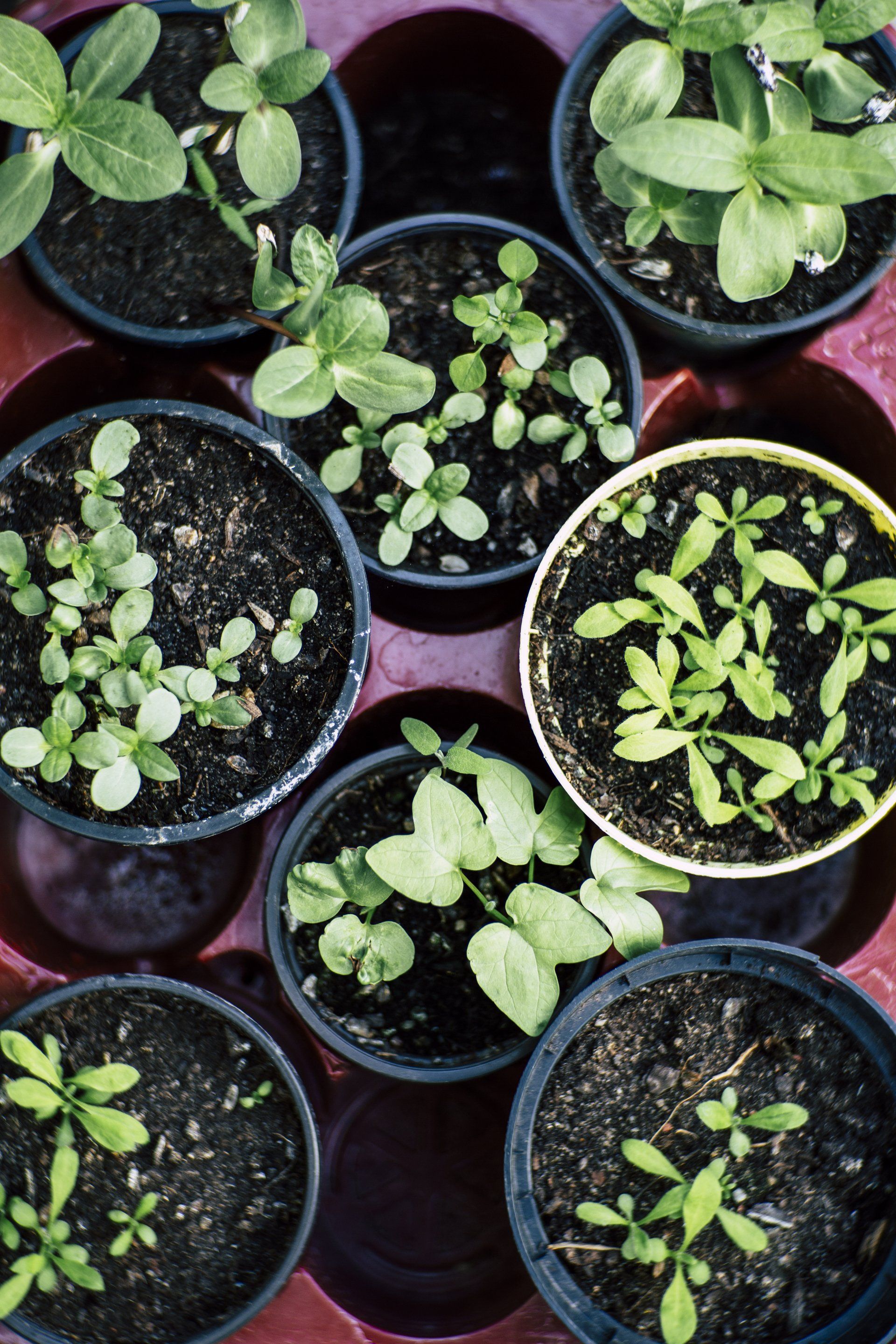
beets, broccoli, cabbage, carrots, cauliflower, collards, corn, Swiss chard, eggplant, Irish potatoes, kohlrabi, lettuce, mustard, peppers, radish, rutabagas, snap beans, shallots, tomatoes, turnips
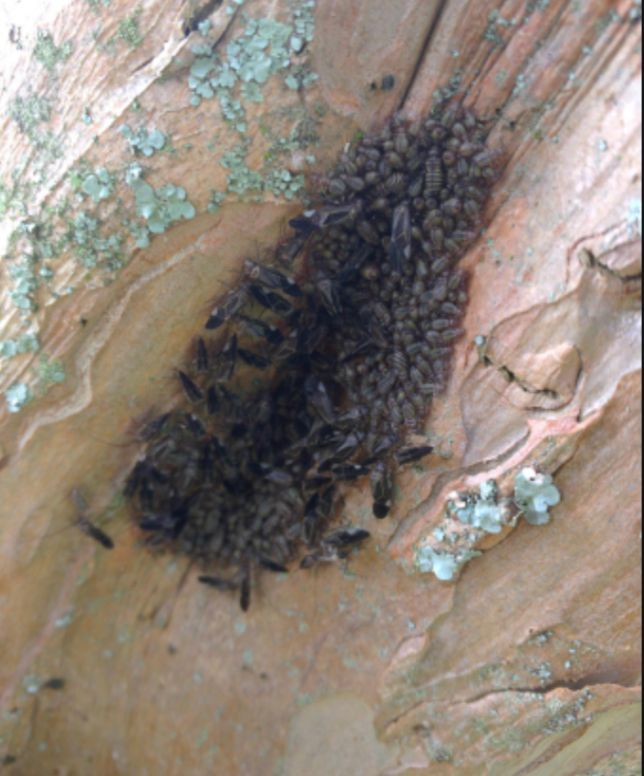
The lice do not actually hurt trees and are often thought of as helpful because they clean trees by eating things that your tree does not need like fungi, algae, mold, dead plant tissue and other debris. Bark lice actually devour their silken webbing at the end of the season as well, completing their job as cleanup crew. Bark lice treatment is unnecessary, as these insects are not really considered pests. Some homeowners will spray a heavy stream of water on the webs to disturb the colony. However, since the insects are beneficial, it is suggested that they be left alone. Now that you know a little more about bark lice in trees, you can see that they are nothing to be alarmed about.Copyright© Beau Monde Landscape LLC. All Rights Reserved.