

🌺 Plumeria Rust: How to Identify, Treat & Prevent It in South Louisiana
How to Stop Plumeria Rust Before It Spreads — A Local Gardener’s Guide
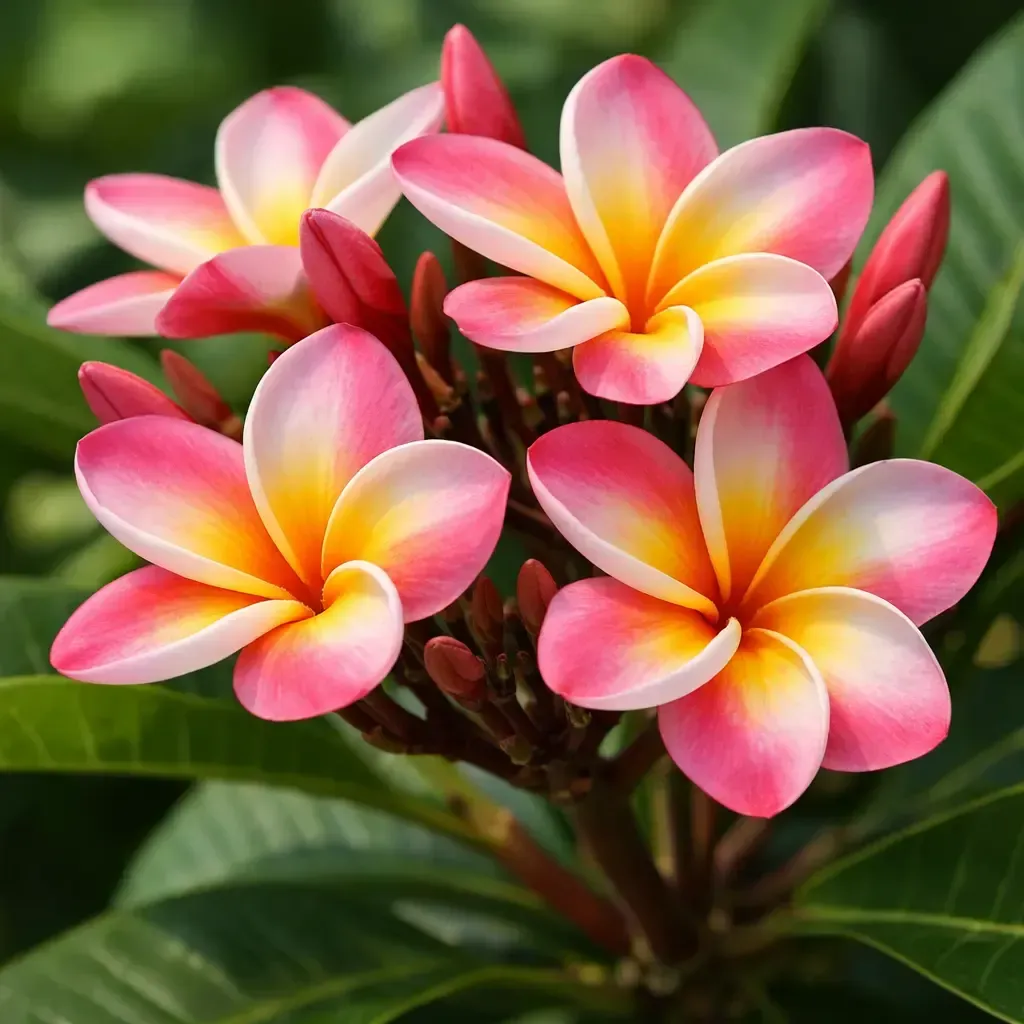
Plumerias are tropical favorites across Acadiana — prized for their fragrant blooms and lush foliage. But one common issue can quickly dull their beauty: Plumeria Rust.
🍂 What Is Plumeria Rust?
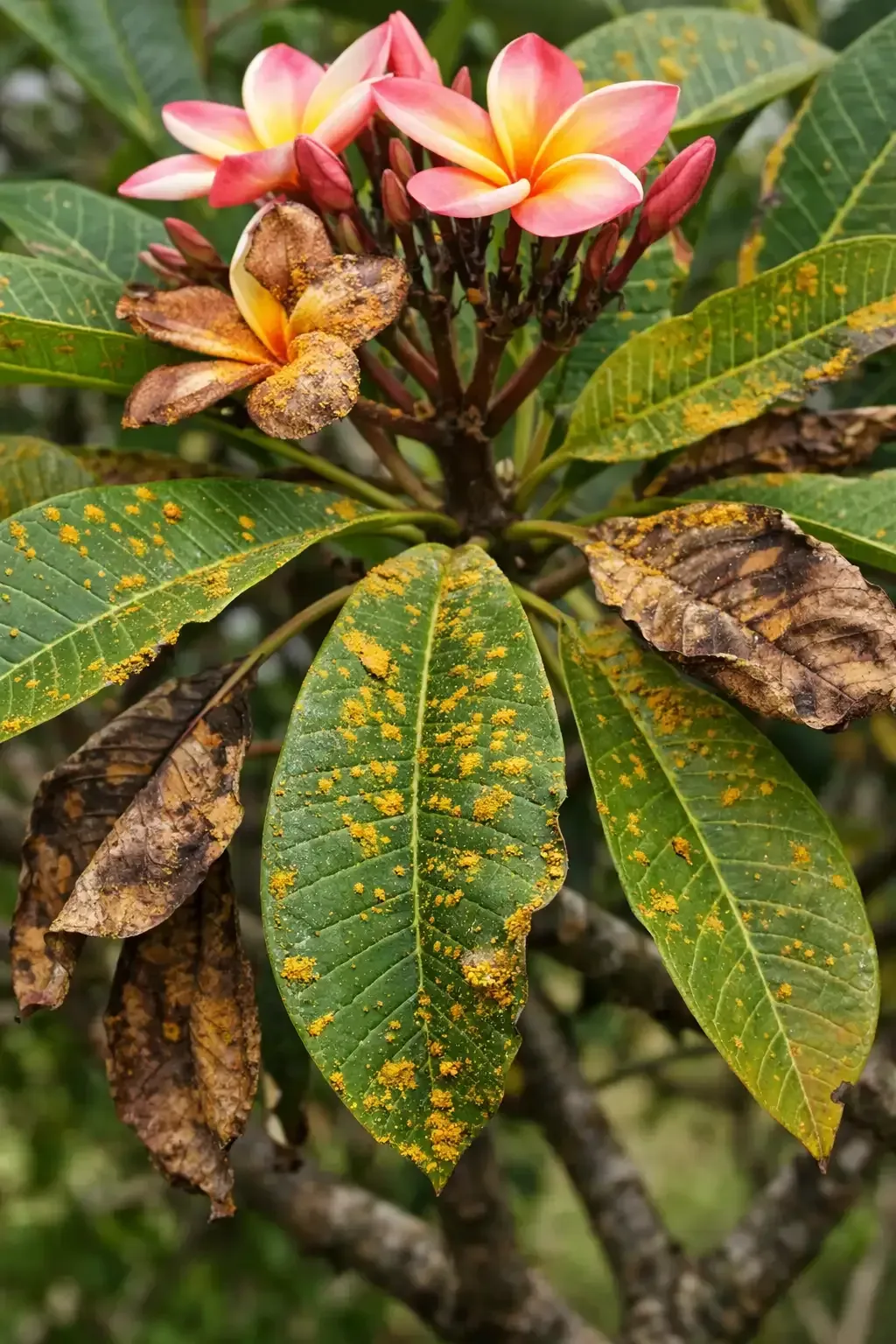
Plumeria Rust is a fungal disease caused by Coleosporium plumeriae. It appears as orange or yellow powdery spots on the underside of leaves. Over time, leaves turn brown, curl, and drop prematurely — leaving your plant bare and stressed.
🔍 How to Identify It Early
- Underside of leaves: Look for small orange pustules or powdery spots.
- Upper leaf surface: Yellow speckles that gradually darken.
- Leaf drop: Affected leaves fall off faster than normal.
- Reduced blooms: The plant focuses on survival instead of flowering.
Early detection is key — once rust spreads, it can defoliate your plumeria in weeks.
🧴 Treatment Options
- Remove infected leaves immediately and discard them (don’t compost).
- Apply a fungicide labeled for rust control — look for active ingredients like myclobutanil or chlorothalonil.
- Repeat applications every 7–10 days until new growth appears clean.
- Improve airflow by spacing plants and pruning crowded branches.
- Avoid overhead watering — moisture on leaves encourages fungal spread.
🌿 Top Fungicides for Rust (Myclobutanil or Chlorothalonil)
➡️1. Bonide Fung‑Onil (Chlorothalonil)
⭐4.4 (3.5K)
Why it works: High‑strength chlorothalonil formula. Best for: Homeowners needing a simple, effective rust treatment. Pros: Very effective on plumeria rust; easy to mix. - CONTACT
About this product
- Fungal Protection: Effectively controls leaf spot, rust, blight, mildew, scab mold, and other fungal diseases in plants.
- Versatile Application: Suitable for use on beans, vegetables, fruits, ornamentals, shrubs, trees, and other garden plants.
- Active Ingredient: Contains Chlorothalonil, a broad-spectrum fungicide that helps maintain plant health.
- Convenient Usage: Ready-to-use in a trigger sprayer bottle for easy application.
- Preventive Care: Helps prevent common fungal infections from spreading in your garden.
➡️2. Atticus Gravex (Myclobutanil)
⭐4.6 (87)
This is great if the rust is already spreading aggressively.
Why it works: Contains myclobutanil, a systemic fungicide — meaning it moves inside the plant to stop rust from spreading. Best for: Curative + preventive treatment on ornamentals. Pros: Strong systemic action; long residual control. -- SYSTEMIC
About this product
- Systemic Control: Provides effective systemic control for over 30 fungal diseases in turfgrass, ornamentals, and residential fruit trees.
- Preventive And Curative: Offers both preventive and curative properties to manage existing infections and prevent future disease development.
- Broad-Spectrum Protection: Protects more than 100 ornamental plants and various turf species from common diseases like Black Spot, Leaf Spot, Powdery Mildew, Rusts, and Scabs.
- Versatile Application: Suitable for use in lawns, landscapes, greenhouses, home orchards, vineyards, and fruit trees.
- Plant Health Maintenance: Helps maintain healthy and attractive plants by preventing and curing damaging nursery and ornamental diseases.
Key insights
- Broad-spectrum fungus control, effective against over 38 plant diseases
- Systemic and preventive action, protects new growth up to 28 days
Pros
- Highly effective on dollar spot, prevents and treats common lawn fungus
- Versatile application across plants, works on turf, ornamentals, and fruit trees
Cons
- Restricted sales regions, not available in select U.S. states
➡️3. Monterey Fungi‑Max (Chlorothalonil)
⭐4.0 (20)
Why it works: Contains chlorothalonil, one of the strongest broad‑spectrum fungicides for rust, leaf spot, and mildew. Best for: Ornamentals, shrubs, tropicals like plumeria. Pros: Affordable, reliable, widely used in nurseries.
Key insights
- Systemic action provides long-lasting protection for lawns and ornamentals
- Effective on multiple plant diseases including powdery mildew and rust
- Disease Prevention: Prevents and controls all major plant diseases including anthracnose, brown patch, copper spot, dollar spot, leaf spot, melting out, crown rot, leaf smuts, powdery mildew, rust, red thread, and spring dead spot.
- Versatile Use: Suitable for outdoor use on roses, flowers, ornamentals, shrubs, trees, lawns, fruit and nut trees, berries, and vegetables.
- Effective Timing: Highly effective when applied as grass begins to turn green in spring or when early signs of disease appear.
- Systemic Action: Offers long-lasting protection with systemic action, requiring only one application for up to two weeks.
- Easy Application: Can be diluted with water and applied using a spray tank, making it ideal for DIY disease control.
- Trusted Brand: Manufactured by Monterey Lawn and Garden Products, providing professional-grade technology for home gardeners.
Pros
- Absorbed by plants for extended protection up to two weeks.
- Highly effective when used early at first signs of disease.
Cons
- Requires careful mixing before application
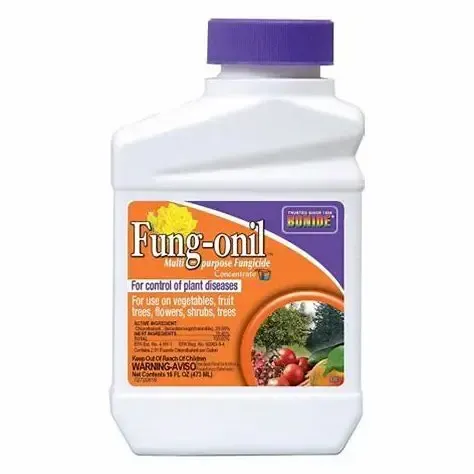
Bonide Fung-onil Multi-Purpose Fungicide for Plant Disease Control
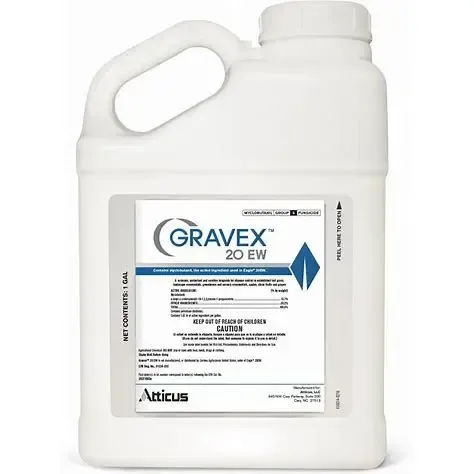
Atticus Gravex 20 EW Fungicide Systemic Fungus Control for Lawns and Greenhouses
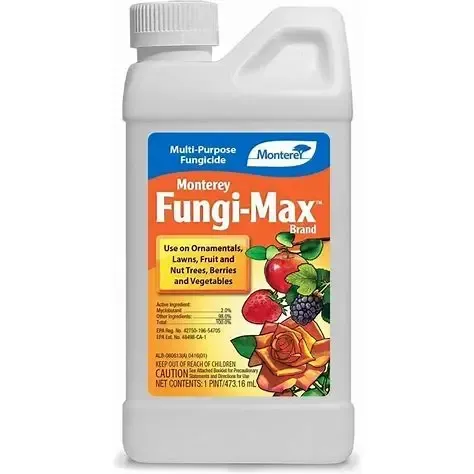
Monterey Fungi-Max Multi-Purpose Fungicide Concentrate
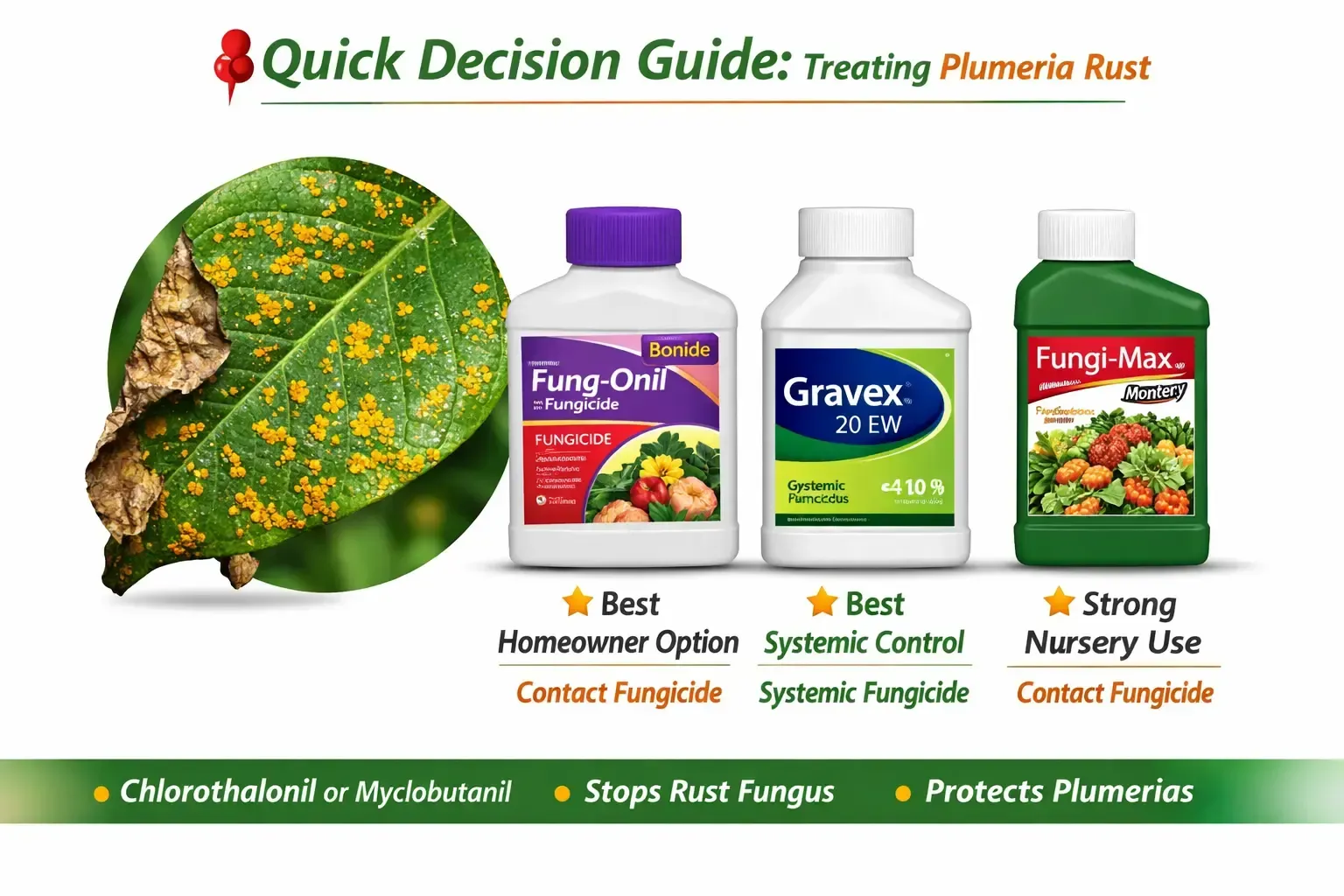
⭐ Which One Should YOU Use for Plumeria Rust? (My Recommendation)
For plumerias, the best choice is:
➡️ Bonide Fung‑Onil (Chlorothalonil)
- Works extremely well on rust
- Safe for ornamentals
- Easy to apply
- Affordable
- Fast results
If you want systemic protection (moves inside the plant), choose:
➡️ Atticus Gravex (Myclobutanil)
This is great if the rust is already spreading aggressively.
🌿 Organic & Natural Rust Control Options
➡️1. Neem Oil (Azadirachtin-based)
- Acts as a natural fungicide and insect repellent.
- Spray every 7–10 days on both sides of leaves.
- Works best when rust first appears.
- Use early morning or late evening to avoid leaf burn.
➡️2. Copper-based Fungicides (Organic-certified)
- Look for Copper Octanoate or Copper Sulfate labeled for ornamentals.
- These are OMRI‑listed and safe for plumerias when used correctly.
- Apply lightly — too much copper can stress tropical plants.
➡️3. Baking Soda + Horticultural Oil Mix
- DIY option:
- 1 tbsp baking soda
- 1 tsp horticultural oil
- 1 gal water
- Spray weekly to raise leaf pH and discourage fungal growth.
- Works as a mild preventive, not a cure.
➡️4. Sulfur Dust or Wettable Sulfur
- Naturally derived mineral fungicide.
- Effective against rust spores but must be applied before infection spreads.
- Avoid using when temps exceed 85 °F — can burn foliage.
🌞 Best Organic Strategy for South Louisiana
- Remove infected leaves immediately.
- Spray neem oil or copper fungicide every 7–10 days.
- Improve airflow around plants.
- Avoid overhead watering.
- Keep foliage dry overnight.
Visit Our Garden Center for Help Identifying Rust
If you’re not sure whether your plumeria has rust or another leaf problem, you can bring a photo (or a leaf sample) to our garden center in Scott, LA and we’ll help you identify it. Our team looks at plant issues like this every day, and we can recommend the right synthetic or organic treatment for your specific situation.
Need Professional Help Treating Rust?
If the rust has spread heavily or you’d rather not tackle it yourself, our landscaping team can treat plumeria rust for you as part of a broader plant health visit. We can assess your yard, recommend the best synthetic or organic options, and help protect the rest of your landscape from fungal problems.
In closing, plumeria rust is a common issue in South Louisiana’s warm, humid climate, but with the right approach, it’s completely manageable. Whether you choose synthetic fungicides like chlorothalonil or myclobutanil for fast, reliable control, or prefer organic options such as neem oil, copper sprays, sulfur, or baking‑soda mixes, staying consistent with treatment is the key to protecting your plumerias. With early detection, proper care, and a treatment method that fits your gardening style, your plants can stay healthy, vibrant, and rust‑free all season long.
If you’re unsure whether your plumeria has rust or need help choosing the right treatment, feel free to call us or leave a question in the Disqus comments below — we’re here to help.