Lafayette Spring Lawn Care Guide

Rochelle Carriere • April 8, 2026

A simple, local guide to preparing your Lafayette lawn for the spring growing season.
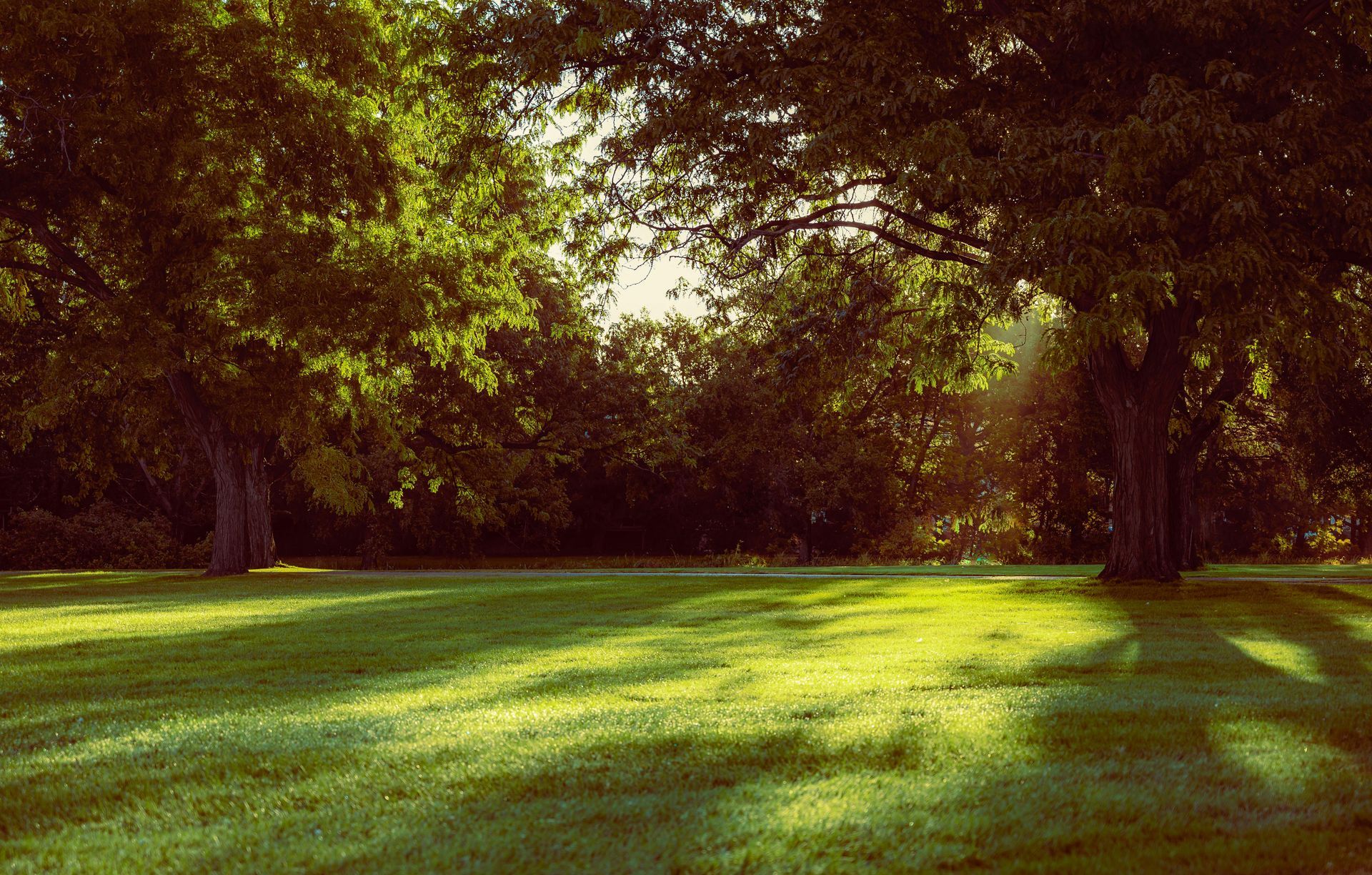
Healthy spring lawn in Lafayette, LA with fresh green growth.

Lafayette Spring Lawn Care Guide

What Lafayette homeowners should do now to prepare their lawns for a healthy spring and summer.

Spring arrives early in Lafayette and across Acadiana. Warm days, cool nights, and sudden rainstorms wake your lawn up long before most people realize it. If you give your grass the right care now, it will stay greener, thicker, and more resilient through our long, hot summer.

When to start mowing in Lafayette

Most lawns in our Zone 9 climate begin active growth in late February to early March. Once you see steady growth, it’s time to resume regular mowing.

  • St. Augustine: mow at 3.5–4 inches
  • Bermuda: mow at 1–2 inches
  • Zoysia: mow at 2–2.5 inches

Never remove more than one-third of the blade at a time. Cutting too short stresses the grass, invites weeds, and makes it harder for your lawn to handle heat and foot traffic.

Spring watering for Lafayette lawns

Acadiana’s spring weather can swing from dry spells to heavy downpours. A simple rule of thumb is: about one inch of water per week, including rainfall.

  • Water early in the morning to reduce evaporation and disease risk.
  • Skip watering after heavy rain —our clay soil holds moisture longer.
  • Watch for soggy areas; they may indicate drainage issues.

Overwatering is one of the biggest causes of fungus in Lafayette lawns, especially in shaded or low spots where water lingers.

Fertilizing at the right time

The best time to fertilize in Lafayette is late March through April, after your lawn has been mowed two or three times. That’s when the grass is fully awake and ready to use the nutrients.

Choose a slow-release fertilizer formulated for Southern warm-season grasses. Avoid fertilizing too early—pushing soft, fast growth before the roots are ready can lead to stress and burn once the real heat arrives.

Staying ahead of spring weeds

Our warm, humid climate is perfect for weeds like clover, dollarweed, crabgrass, spurge, and dandelion. If you see them every year, it’s a sign your lawn needs both weed control and stronger, healthier turf.

  • Pre-emergent in late February or early March helps stop many summer weeds before they sprout.
  • Consistent mowing at the right height helps your grass shade the soil and crowd out weeds.
  • Balanced fertilization supports thick, dense turf that naturally resists invasion.

Common spring lawn problems in Lafayette

It’s normal to see a few rough spots as your lawn wakes up, but some issues are early warning signs:

  • Yellowing patches that don’t green up with warmer weather.
  • Mushy or spongy areas after rain, often tied to drainage or fungus.
  • Thin or bare spots where grass never seems to fill in.
  • Brown patches that slowly spread instead of recovering.

These problems are common in our heavy clay soils and humid climate, especially in shaded areas or yards with poor grading.

When it’s time to call a professional

DIY care can take your lawn a long way, but some situations call for a trained eye and a consistent maintenance plan. It may be time to bring in a professional if you notice:

  • Persistent weeds that return no matter what you try.
  • Drainage issues or standing water after normal rain.
  • Brown or thinning areas that never fully recover.
  • Uneven growth, scalped spots, or thick thatch buildup.

A tailored lawn care program for Lafayette’s soil, grass types, and climate can save you time, frustration, and money in the long run.

Give your Lafayette lawn a strong start this spring

Spring is the most important season for setting up a healthy lawn in Acadiana. With the right mowing height, watering habits, fertilization, and weed control, your yard can stay greener and more resilient all year long—even through our hottest months.

If you’re not sure where to start, or your lawn already looks tired coming out of winter, a professional assessment can make all the difference.


Grandparents planting seedlings and sharing timeless gardening tips.
By Rochelle Carriere April 5, 2026
Discover timeless gardening tips passed down for generations, adapted for Zone 9 and perfect for thriving gardens in Lafayette and South Louisiana.
yellow lantana thriving in the South Louisiana heat.
By Rochelle Carriere April 5, 2026
Plants That Thrive in South Louisiana’s Heat and Humidity
Vegetable seedlings at Beau Monde – Lafayette LA
By Rochelle Carriere March 31, 2026
Learn how to plant vegetable starters for a healthy spring garden in South Louisiana.
Spring yard cleanup in Lafayette, LA with wheelbarrow, rake, and fresh landscaping work.
By Rochelle Carriere March 30, 2026
Is your Lafayette yard ready for spring? Discover 5 signs it’s time for a professional landscape cleanup. From weeds to mulch and muddy lawns, Beau Monde Landscape has you covered.
Commercial Landscape Maintenance
By Rochelle Carriere March 30, 2026
Year‑round landscape maintenance keeps Lafayette commercial properties safe, clean, and professional. Learn why consistent care protects curb appeal, property value, and customer trust.
Spring Landscaping Checklist for Lafayette, LA
By Rochelle Carriere March 28, 2026
Spring Landscaping Checklist for Lafayette, LA
 Waterfall installed Lafayette, LA
By Rochelle Carriere March 28, 2026
Proudly Serving Lafayette, LA & the Acadiana Community, Waterfall
A market display of fresh produce
By Rochelle Carriere March 16, 2026
March in the Acadiana Garden: A 3-Step Guide
Hands in textured gardening gloves spread dark wood mulch around the base of a green plant in a garden bed.
By Rochelle Carriere March 12, 2026
Spring is almost here in Acadiana, and that means it’s time to wake up your landscape after a long, messy winter. At Beau Monde Nursery, Landscape & Florist , we’re currently scheduling Spring Bed Clean‑Ups for homes and businesses across Lafayette, Scott, and the surrounding areas — and now is the perfect time to get on the list. A proper spring clean‑up does more than make your yard look neat. It sets the foundation for healthier plants, stronger growth, and a landscape that looks polished and well‑maintained all season long. 🌿 Why Spring Bed Clean‑Ups Matter Winter leaves behind debris, weeds, compacted soil, and tired flower beds. A thorough clean‑up helps your landscape: Remove winter weeds and debris Refresh mulch for better moisture retention and weed control Re‑edge beds for a clean, defined look Prune shrubs and perennials to encourage healthy new growth Improve soil health and prepare beds for new seasonal color Boost curb appeal for both homes and commercial properties A clean, well‑prepared bed is the key to a vibrant spring and summer landscape. 🌸 What’s Included in Our Spring Bed Clean‑Up Service Our team handles everything your beds need to look fresh and healthy: Full weed removal Clearing leaves, sticks, and winter debris Bed reshaping and edging Mulch installation or top‑off Shrub and perennial pruning Soil prep for spring flowers Optional seasonal color planting Whether you want a simple clean‑up or a full spring refresh with new flowers, we tailor the service to your property. 🌼 Perfect for Homes and Businesses We provide Spring Bed Clean‑Ups for: Residential homes Commercial properties Office buildings Retail centers HOAs and multi‑unit properties Restaurants and storefronts If you want your property looking sharp for spring, we’re ready. 📅 We’re Scheduling Spring Bed Clean‑Ups Right Now Spring is our busiest season, and spots fill quickly. If your flower beds need attention, now is the time to book. Call, text, or message us to schedule your Spring Bed Clean‑Up. Let Beau Monde get your landscape looking fresh, clean, and ready for the season.
A cluster of bright yellow flowers with delicate green buds on slender stems against a blurred background.
By noreply November 8, 2023
*Cassia splendida*, commonly known as Senna or Candlestick Tree, is native to Madagascar. However, it has been cultivated and can be found in various tropical and subtropical regions around the world. This includes places like Louisiana, Florida, parts of the Caribbean, and some regions of Asia and Australia. Keep in mind that it might not be native to these areas but can still be found there due to cultivation.