

Timeless Gardening Tricks Passed Down for Generations
Passed down through generations, perfected in Louisana soil.
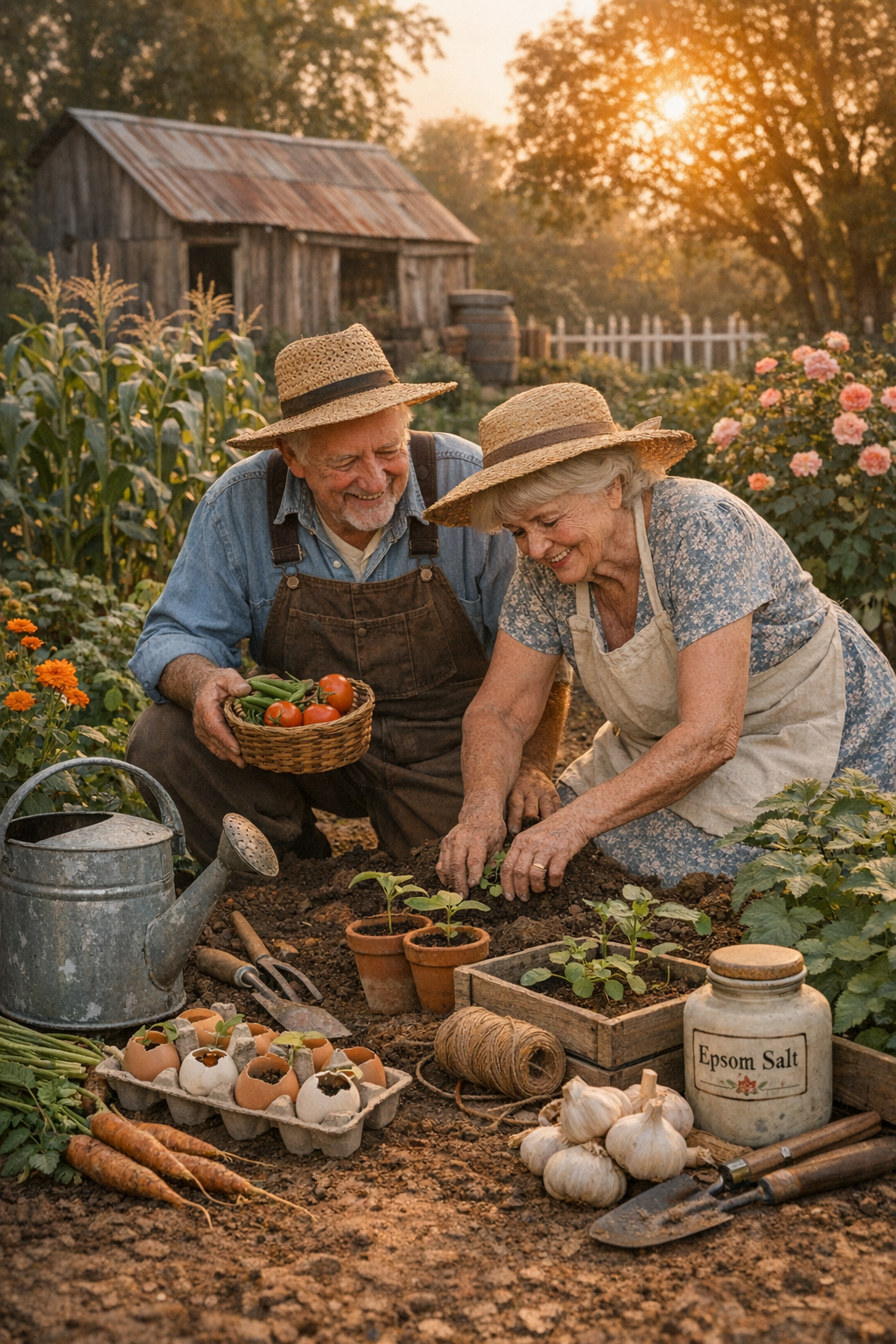
Some of the best gardening advice doesn’t come from books — it comes from grandparents who learned by watching the seasons, reading the soil, and paying attention to nature. Their methods were simple, practical, and surprisingly effective, especially here in Zone 9, where long summers, mild winters, and high humidity shape everything we grow. These are the tried‑and‑true gardening tricks passed down through generations that still help Lafayette gardens thrive today.
🧓🌼 Grandparents’ Gardening Tips That Still Work in Zone 9
🍌 1. Feed the Soil With Kitchen Scraps
Grandparents never wasted banana peels, eggshells, or coffee grounds — they buried them right in the garden.
Why it works in Zone 9:
Our warm soil breaks down organic matter quickly, releasing nutrients plants can use almost immediately.
Tip: Bury scraps 6–8 inches deep to avoid attracting ants during hot months.
💧 2. Water Deep, Not Often
Older gardeners didn’t “sprinkle” plants — they soaked them.
Why it works in Zone 9:
Deep watering encourages strong roots that can handle our intense summer heat.
Tip: Water early morning to reduce fungal issues caused by humidity.
🌕 3. Follow the Moon Phases
Planting by the moon was a tradition for many grandparents.
Why it works in Zone 9:
Moisture levels naturally shift with lunar cycles, helping seeds germinate better in our warm climate.
Best crops: Beans, squash, cucumbers, and leafy greens.
🌿 4. Use Epsom Salt for Greener Leaves
A classic trick for tomatoes, peppers, and roses.
Why it works in Zone 9:
Magnesium helps plants handle heat stress and boosts chlorophyll production.
Tip: Use lightly — once a month is plenty.
🧄 5. Plant Garlic to Keep Pests Away
Grandparents tucked garlic around roses, tomatoes, and fruit trees.
Why it works in Zone 9:
Garlic repels aphids, beetles, and some fungal issues — all common in our humid climate.
Tip: Plant in fall for the best results.
🔥 6. Save Wood Ash for the Garden
Fireplace ash was never thrown away.
Why it works in Zone 9:
It adds potassium and helps balance acidic soil.
Tip: Use sparingly — too much can push soil pH too high.
🥚 7. Start Seeds in Eggshells
A charming old trick that still works beautifully.
Why it works in Zone 9:
Eggshells provide calcium and make transplanting easy during our long spring growing season.
Best for: Tomatoes, peppers, herbs, and flowers.
.
🌧️ 8. Collect Rainwater
Grandparents didn’t waste a drop.
Why it works in Zone 9:
Rainwater is soft, slightly acidic, and perfect for plants that struggle with hard tap water.
Tip: A simple barrel under a downspout can save your garden during summer droughts.
🍂 9. Mulch With What You Have
Grass clippings, leaves, pine needles — nothing went to waste.
Why it works in Zone 9:
Mulch keeps soil cool, prevents weeds, and locks in moisture during long hot spells.
Tip: Pine straw is especially good for azaleas, camellias, and hydrangeas.
🐝 10. Leave a “Wild Corner” for Nature
Grandparents always had a spot they didn’t touch.
Why it works in Zone 9:
Native plants attract pollinators, beneficial insects, and birds that help control pests naturally.
Great native choices: Black‑eyed Susan, coneflower, milkweed, and Louisiana iris.
🪴 11. Pinch Back Herbs to Keep Them Bushy
Grandparents always “pinched instead of picked.”
Why it works: Basil, mint, and oregano explode with new growth when pinched regularly.
Zone 9 tip: Herbs grow almost year‑round here, so pinch weekly for best shape.
🌞 12. Give Plants Morning Sun, Not Afternoon Sun
Older gardeners knew the afternoon heat could scorch tender plants.
Why it works: Morning sun is gentler and helps plants dry off early, reducing fungal issues.
Best for: Hydrangeas, ferns, impatiens, and shade‑loving perennials.
🌱 13. Soak Seeds Before Planting
Grandparents-soaked peas, beans, and okra overnight.
Why it works: Softens the seed coat and speeds up germination in warm climates.
Zone 9 tip: Especially helpful for okra, which has a tough shell.
🍅 14. Plant Tomatoes Deep
“Bury them up to their necks,” as many grandparents said.
Why it works: Tomatoes grow roots along buried stems, creating stronger plants.
Zone 9 tip: Choose heat‑tolerant varieties like Heat master or Creole.
🌾 15. Rotate Crops Every Season
Grandparents didn’t plant the same thing in the same spot twice.
Why it works: Reduces pests and soil‑borne diseases.
Zone 9 tip: Rotate tomatoes, peppers, and eggplants away from each other — they share diseases.
🧹 16. Keep Tools Clean and Sharp
A simple but powerful habit.
Why it works: Clean tools prevent disease spread and make pruning easier.
Zone 9 tip: Humidity can rust tools fast — wipe with oil after use.
🌼 17. Deadhead Flowers to Keep Them Blooming
Grandparents always “picked the spent blooms.”
Why it works: Encourages continuous flowering.
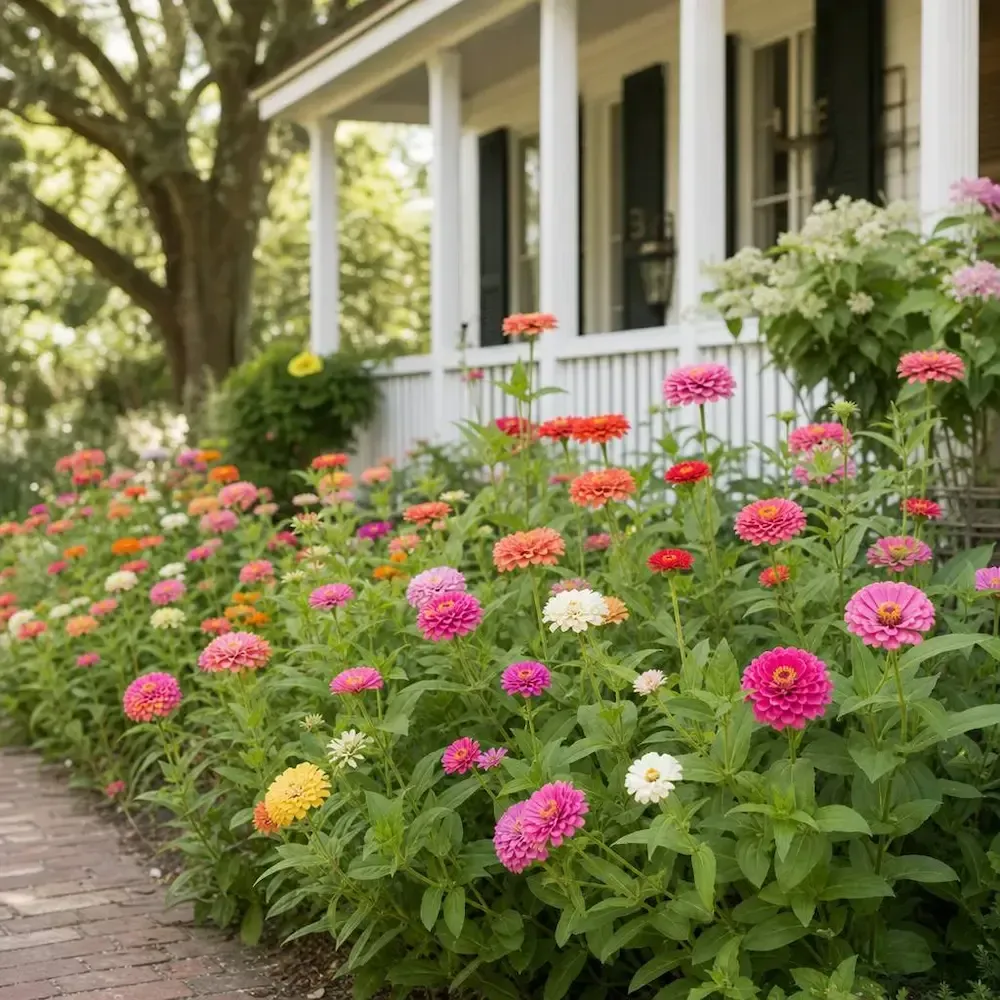
Best for Zone 9: Zinnias, marigolds, lantana, and roses.
🌧️ 18. Watch the Weather, Not the Calendar
Older gardeners planted by feel, not dates.
Why it works: Zone 9 has unpredictable warm spells and early springs.
Tip: Plant when soil is warm, not just when the calendar says it’s time.
🪵 19. Use Old Boards to Shade Seedlings
A classic trick for protecting tender sprouts.
Why it works: Prevents scorching during sudden heat waves.
Zone 9 tip: Perfect for late‑spring plantings when temps jump quickly.
🐞 20. Encourage Ladybugs and Beneficial Insects
Grandparents knew not all bugs are bad.
Why it works: Ladybugs, lacewings, and bees keep pests under control naturally.
Zone 9 tip: Plant dill, fennel, and yarrow to attract them.
🌾 21. Plant Marigolds Around the Garden
Grandparents used marigolds as natural pest control.
Why it works: Their scent repels nematodes, aphids, and beetles.
Zone 9 tip: They bloom nearly year‑round here — perfect border plants.
🌱 22. Scratch Matchsticks Into the Soil for Peppers
A classic old trick for boosting pepper growth.
Why it works: Matchsticks add a tiny bit of sulfur, which peppers love.
Zone 9 tip: Helps peppers handle heat stress in midsummer.
🌿 23. Use Coffee Grounds to Feed Acid‑Loving Plants
Grandparents sprinkled used grounds around hydrangeas and azaleas.
Why it works: Adds nitrogen and gently acidifies soil.
Zone 9 tip: Perfect for camellias, gardenias, and blueberries.
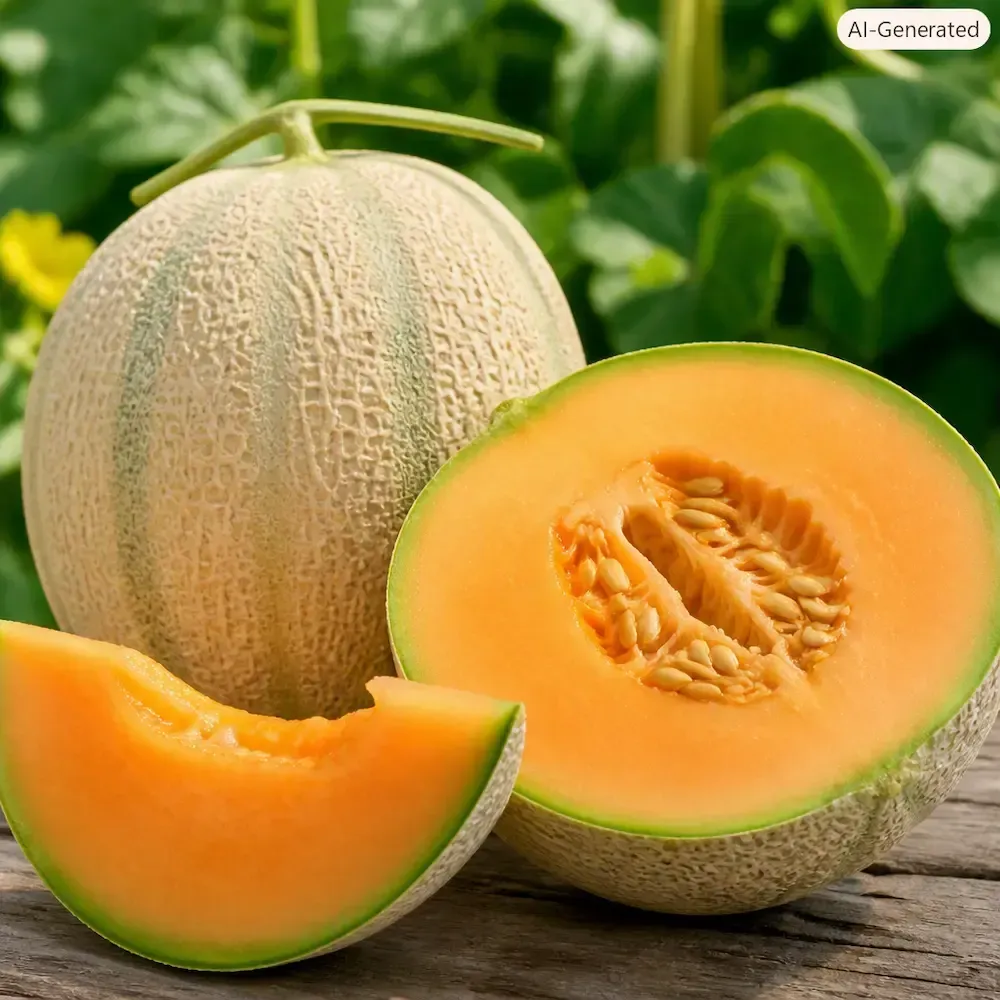
🍉 24. Plant Watermelons on Mounds
Old‑school gardeners always built little hills.
Why it works: Improves drainage and warms the soil faster.
Zone 9 tip: Our warm climate makes melons thrive — plant early for two harvests.
🌬️ 25. Give Plants “Wind Training”
Grandparents let seedlings toughen up outdoors.
Why it works: Light wind strengthens stems and reduces transplant shock.
Zone 9 tip: Start this early — our spring winds are perfect for it.
🌼 26. Use Dish Soap and Water for Soft‑Body Pests
A simple spray bottle was their go‑to.
Why it works: Breaks down the outer layer of aphids and whiteflies.
Zone 9 tip: Spray early morning so the sun doesn’t scorch leaves.
🌳 27. Prune Trees and Shrubs After the Coldest Week
Grandparents watched the weather, not the calendar.
Why it works: Prevents frost damage on fresh cuts.
Zone 9 tip: Late January to early February is usually safe.
🍃 28. Let Leaves Break Down Naturally
They didn’t bag leaves — they used them.
Why it works: Leaf mold improves soil structure and moisture retention.
Zone 9 tip: Our humidity speeds decomposition, making leaf mold “black gold.”
🌻 29. Save Seeds from the Best Plants
Grandparents always saved seeds from their strongest performers.
Why it works: Over time, plants adapt to your exact soil and climate.
Zone 9 tip: Zinnias, okra, peppers, and beans are especially easy to save.
🌾 30. Plant Tall Crops to Shade Tender Ones
A natural way to beat the heat.
Why it works: Corn, sunflowers, and okra create living shade.
Zone 9 tip: Use this trick to protect lettuce, spinach, and herbs from summer burn.
🌿 31. Plant Sweet Potatoes After the Soil Warms
Grandparents always waited until the ground felt warm to the touch.
Why it works: Sweet potatoes hate cold soil and thrive once temperatures rise.
Zone 9 tip: Late April through May is perfect timing in South Louisiana.
🌿 32. Use Pine Straw to Keep Soil Cool
A classic Southern trick.
Why it works: Pine straw insulates roots and prevents weeds.
Zone 9 tip: Perfect for hydrangeas, azaleas, camellias, and anything that struggles in afternoon heat.
🌼 33. Grow Cowpeas to Improve Soil
Grandparents used cowpeas as a natural soil builder.
Why it works: They fix nitrogen and thrive in heat.
Zone 9 tip: Plant in midsummer when other crops slow down.
🌿 34. Add a Handful of Compost to Every Planting Hole
Simple but powerful.
Why it works: Gives plants a nutrient boost from day one.
Zone 9 tip: Helps roots handle heavy rains and clay‑based soils common in South Louisiana.
🍋 35. Plant Citrus Trees on Slight Mounds
A common old trick in the South.
Why it works: Prevents root rot in wet climates.
Zone 9 tip: Meyer lemon, satsuma, and kumquat thrive here.
🌧️ 36. Watch for Afternoon Storm Patterns
Grandparents gardened by the sky, not the forecast.
Why it works: Afternoon storms can overwater delicate plants.
Zone 9 tip: Raised beds help prevent soggy roots during rainy stretches.
🌻 37. Let Sunflowers Tell You When to Plant
Old‑timers watched nature’s cues.
Why it works: When volunteer sunflowers sprout, soil is warm enough for spring planting.
Zone 9 tip: This often happens early — sometimes late February in Lafayette.
🌱 38. Use Old Towels as Frost Covers
Grandparents used whatever they had.
Why it works: Fabric protects tender plants from surprise cold snaps.
Zone 9 tip: Keep a bin of towels ready for late‑winter dips.
🌸 39. Plant Flowers That “Feed Themselves”
Grandparents loved self‑seeders.
Why it works: They return every year with little effort.
Zone 9 favorites: Zinnias, cosmos, marigolds, celosia.
🌿 40. Use Vinegar to Kill Weeds in Cracks
A simple, natural trick.
Why it works: Vinegar dries out weed leaves.
Zone 9 tip: Works best on sunny days when heat intensifies the effect.
🌿 41. Plant Beans After the Soil Warms
Grandparents always waited until the soil felt warm to the touch.
Why it works: Beans sprout faster and grow healthier in warm soil.
Zone 9 tip: You can plant beans multiple times a year here.
.
🌼 42. Use Pine Straw to Protect Tender Roots
A classic Southern mulch.
Why it works: Pine straw keeps soil cool, reduces weeds, and holds moisture.
Zone 9 tip: Ideal for azaleas, camellias, hydrangeas, and blueberries.
🌿 43. Grow Cowpeas to Restore Tired Soil
Grandparents used cowpeas as a natural soil fixer.
Why it works: They add nitrogen and thrive in heat.
Zone 9 tip: Plant in midsummer when other crops struggle.
🌾 44. Add Compost to Every Planting Hole
A simple habit that pays off.
Why it works: Compost improves drainage and feeds plants slowly.
Zone 9 tip: Helps roots handle heavy rains and clay soils.
🍅 45. Remove the Bottom Leaves Once Plants Reach 12–18 Inches
Grandparents always “cleaned the legs.”
Why it works: Removing the lowest leaves improves airflow and reduces soil‑borne disease.
Zone 9 tip: Essential in humid Louisiana summers where fungus spreads fast.
🥒 46. Give Cucumbers a Trellis to Keep Them Off the Ground
Grandparents always trained cucumbers upward instead of letting them sprawl.
Why it works: better airflow, cleaner fruit, fewer pests, and less disease.
Zone 9 tip: Humidity makes cucumbers prone to mildew — vertical growing keeps leaves dry and healthy.
🍅 47. Give Better Boy Tomatoes Plenty of Space to Breathe
Grandparents knew Better Boy grows big and needs elbow room.
Why it works: Better Boy is a vigorous indeterminate variety that produces heavy foliage and large clusters of fruit. Extra space improves airflow and reduces fungal pressure.
Zone 9 tip: Space plants at least 3 feet apart — our humidity makes tight spacing a recipe for blight.
🍅 48. Give Black Krim Extra Shade During Peak Heat
Grandparents knew heirloom tomatoes can be a little “soft” in the summer sun.
Why it works: Black Krim is an heirloom variety that produces rich, smoky‑flavored fruit but is more prone to sunscald and heat stress than hybrids.
Zone 9 tip: Provide light afternoon shade (2–4 PM) or plant near taller crops. This helps prevent cracking and keeps the fruit’s deep color from bleaching.
🍆 49. Give Eggplants Plenty of Heat and a Little Wind Protection
Grandparents always said eggplants “love the heat but hate the whipping wind.”
Why it works: Eggplants thrive in hot weather, but strong winds can snap their brittle stems and bruise young fruit.
Zone 9 tip: Plant them in a warm, sunny spot with a simple stake or cage for support — they’ll reward you with steady harvests all summer long.
🌶️ 50. Pick Jalapeños Early and Often to Keep the Plant Producing
Grandparents always said, “The more you pick, the more you get.”
Why it works: Regular harvesting signals the plant to keep setting new peppers instead of slowing down.
Zone 9 tip: In our long growing season, frequent picking can keep jalapeños producing from late spring all the way into fall.
🐌 51. Use Crushed Eggshells or Coffee Grounds to Deter Slugs and Snails
Grandparents didn’t waste anything — even kitchen scraps had a purpose.
Why it works: Slugs and snails avoid rough, sharp textures and dry surfaces. Eggshells and used coffee grounds create a natural barrier they don’t like crossing.
Zone 9 tip: Our humidity makes slug and snail pressure worse, especially after rain. Refresh your barrier every week or after heavy showers.
🍅 52. Tomato Blooms Fall Off When the Weather Swings Too Hard
Grandparents always said, “Tomatoes don’t like drama.”
Why it works: Sudden heat spikes, cool nights, or big humidity swings can cause blossoms to drop before they set fruit. It’s the plant’s way of protecting itself.
Zone 9 tip: When temps jump above 90°F, give tomatoes afternoon shade and keep soil moisture steady. Consistent watering helps reduce stress and keeps more blooms hanging on.
🐞 53. Control Insects Early Before They Take Over
Grandparents always said, “It’s easier to stop a few than a whole army.”
Why it works: Catching pests early prevents damage and keeps plants from getting stressed or stunted. A quick check every few days lets you spot trouble before it spreads.
Zone 9 tip: Our warm, humid climate means insects multiply fast. Inspect the undersides of leaves and new growth often — that’s where most pests like to hide.
🧺 54. Use Simple, Old‑Fashioned Remedies for Pest Control
Grandparents didn’t have fancy sprays — they used what was already in the house.
Why it works: Mild soaps, ashes, and homemade mixtures were gentle on plants but tough on soft‑bodied pests. These simple remedies disrupted insects without harming the garden.
Zone 9 tip: A light soapy water spray still works wonders here. Just mist early in the morning so the sun doesn’t scorch the leaves.
🪴 55. Keep the Garden Clean to Reduce Pest Problems
Grandparents always said, “A tidy garden has fewer troubles.”
Why it works: Fallen leaves, old mulch, and decaying plants give insects a place to hide and multiply. Keeping the garden clean removes their shelter and breaks their life cycle.
Zone 9 tip: Our warm climate lets pests breed year‑round. Clear debris often, especially after rainstorms, to keep populations down naturally.
🌼My Closing Thoughts
As a
licensed horticulturist at
Beau Monde Nursery Landscape & Florist, I’ve seen these timeless gardening tricks consistently outperform modern shortcuts — especially in South Louisiana’s Zone 9 climate.
Gardening has changed over the years, but the wisdom passed down from our grandparents still holds true — simple methods, natural materials, and a deep respect for the land. Whether you’re growing vegetables, flowers, or a full backyard garden here in Lafayette, these timeless Zone 9 tips can help your garden thrive season after season.
© 2026 Beau Monde Nursery Landscape & Florist. All rights reserved.