

Why Your St. Augustine Grass Turns Yellow — And How to Fix It in Acadiana (Zone 9 Guide)
Why St. Augustine grass turns yellow in Lafayette and how to fix it fast.
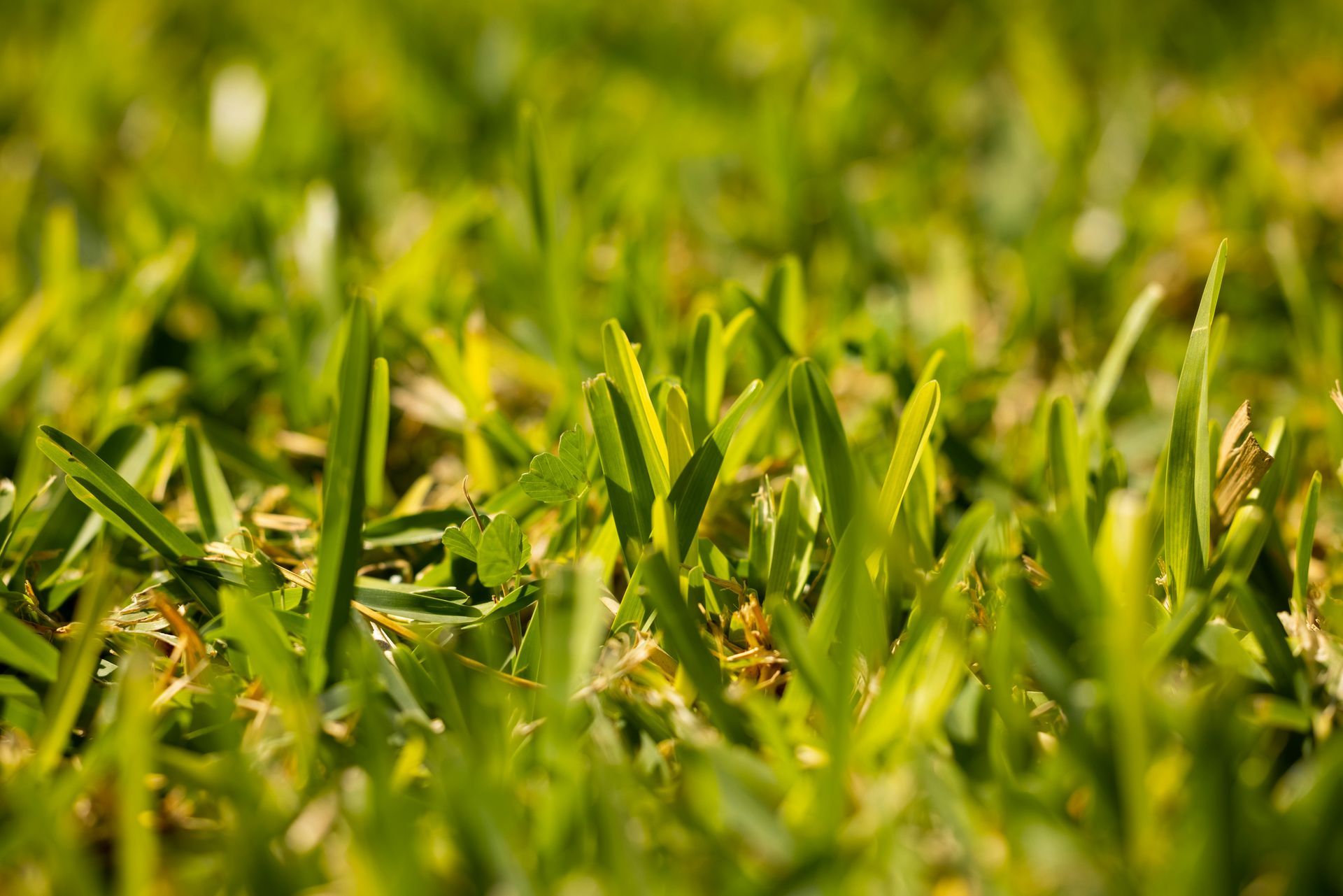
St. Augustine is the most popular lawn grass in Lafayette and the surrounding Acadiana region — but it’s also one of the quickest to show stress. When it starts turning yellow, it’s your lawn’s way of saying something is off. The good news? Most causes are easy to diagnose and fix once you know what to look for.
Here’s a simple, South‑Louisiana‑specific guide to getting your St. Augustine green again.
🌿 1. Iron Deficiency (Most Common Cause in Lafayette)
Yellow blades with green veins = classic iron chlorosis.
Why it happens here:
- Heavy clay soils
- High pH from limestone‑rich water
- Overwatering during rainy stretches
How to fix it:
- Apply a liquid iron supplement (works fastest)
- Use a soil acidifier if pH is high
- Improve drainage or reduce watering
Pro tip: Iron issues show up fast after long periods of rain — very common in Acadiana.
🌱 2. Nitrogen Deficiency
If the entire blade is pale yellow, especially after heavy mowing or rain, your lawn may be hungry.
Fix:
- Apply a slow‑release nitrogen fertilizer
- Water it in lightly
- Avoid high‑nitrogen fertilizers in extreme heat
St. Augustine responds quickly — you’ll see improvement within 7–10 days.
🐛 3. Chinch Bugs (A Huge Problem in South Louisiana)
If your lawn is yellowing in patches that spread, especially in hot, sunny areas, chinch bugs may be the culprit.
Signs:
- Yellow patches that turn brown
- Damage that worsens during drought
- Tiny black-and-white insects at the soil line
Fix:
- Apply a lawn insecticide labeled for chinch bugs
- Water deeply but infrequently
- Avoid over‑fertilizing (they love stressed lawns)
🌧️ 4. Overwatering or Poor Drainage
St. Augustine hates “wet feet.”
Yellowing + mushy soil = too much water.
Fix:
- Reduce watering to 1–2 times per week
- Improve drainage with sand/topsoil leveling
- Aerate compacted areas
In Acadiana’s clay soils, this is extremely common.
🍄 5. Fungal Diseases (Brown Patch / Take‑All Root Rot)
If yellowing appears in circles or irregular patches, fungus may be involved.
Fix:
- Apply a fungicide labeled for St. Augustine
- Water only in the morning
- Avoid mowing when grass is wet
- Reduce nitrogen during warm, humid periods
Take‑All Root Rot is especially active in spring and fall.
🌤️ 6. Too Much Shade
St. Augustine is shade‑tolerant — but not shade‑proof.
If your lawn is thinning and yellowing under trees or beside the house:
Fix:
- Trim tree limbs to increase light
- Reduce watering in shaded areas
- Consider replacing with a shade‑tolerant groundcover if needed
🧪 7. Soil pH Issues
St. Augustine prefers a pH of 6.0–7.0.
Much of Lafayette’s soil runs slightly alkaline.
Fix:
- Get a soil test (LSU AgCenter offers them)
- Add sulfur or soil acidifier if pH is too high
- Avoid lime unless a soil test recommends it
🌟 How to Keep St. Augustine Green All Year in Acadiana
- Mow at 3.5–4 inches
- Water deeply, not daily
- Fertilize 2–3 times per year
- Treat chinch bugs early
- Improve drainage in low spots
- Add iron during rainy seasons
Small adjustments make a huge difference in our Zone 9 climate.
🪴 Need Help Diagnosing Your Lawn?
Bring a photo or a small sample to Beau Monde Nursery Landscape & Florist.
We’ll help you identify the issue and recommend the right treatment for your lawn — whether it’s chinch bugs, fungus, or a nutrient imbalance.