

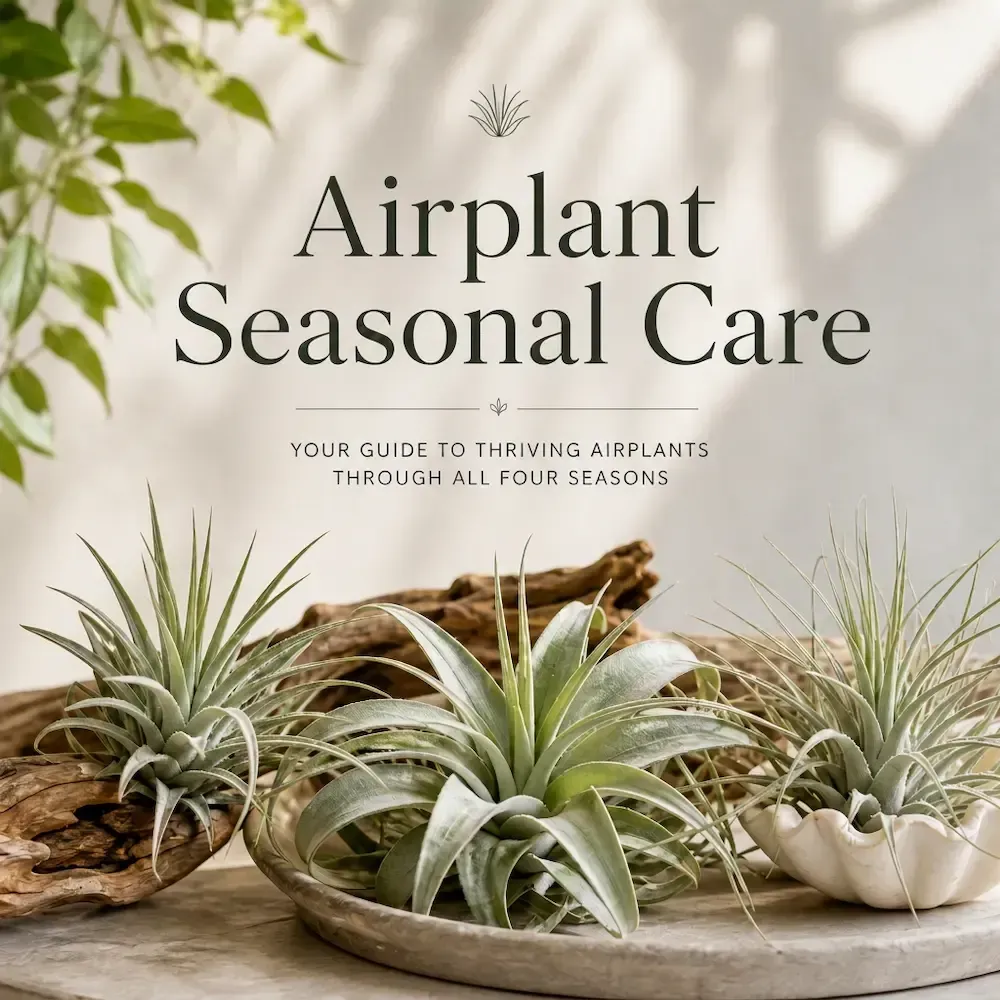
Airplant Seasonal Care
Your guide to thriving airplants through all four seasons — tailored for Louisiana’s Zone 9 climate.
Airplant Seasonal Care:
A Year‑Round Guide for Louisiana’s Zone 9 Gardeners
Airplants (Tillandsia) are some of the easiest and most rewarding plants you can grow — especially here in South Louisiana. At Beau Monde Nursery Landscape & Florist in Lafayette, we help gardeners choose the right airplants for our warm, humid Zone 9 climate. Whether you’re brand new to airplants or expanding your collection, Beau Monde offers expert guidance and fresh seasonal shipments to keep your plants thriving all year long.
🌱 Spring: Growth Season Begins
Spring is when airplants wake up and start pushing new leaves and pups.
What they need in spring:
- Bright, indirect light — morning sun is perfect.
- Increase watering to 2–3 times per week.
- Boost airflow — open windows, porch placement, or a fan indoors.
- Monthly fertilizer — use a bromeliad or airplant-safe fertilizer at ¼ strength.
Spring tips for Zone 9:
- Avoid placing airplants outside during heavy spring storms.
- If mounted outdoors, protect them from direct rain to prevent rot.
☀️ Summer: Heat + Humidity Management
South Louisiana summers are hot, humid, and intense. Airplants love humidity, but they can overheat or rot if airflow is poor.
Summer care essentials:
- Water 1–2 times per week (humidity is already high).
- Avoid harsh afternoon sun — it can scorch leaves.
- Increase airflow — fans or shaded outdoor placement.
- Mist lightly only if humidity drops (rare in Zone 9).
Signs of summer stress:
- Brown, crispy leaf tips → too much sun.
- Soft, mushy leaves → too much water or poor airflow.
🍂 Fall: Transition Season
Fall is the easiest season for airplants in Louisiana. Temperatures drop, humidity stays comfortable, and growth continues.
Fall care routine:
- Water 2 times per week.
- Give bright, indirect light — indoors or outdoors.
- Continue monthly fertilizer.
- Watch for pups — fall is a big propagation season.
Zone 9 note:
Fall storms can bring sudden temperature swings. If temps drop below 45°F overnight, bring airplants indoors.
❄️ Winter: Protect From Cold Snaps
Airplants can handle cool weather, but freezing temperatures will kill them. Zone 9 winters are mild, but we still get surprise freezes.
Winter care essentials:
- Bring airplants indoors when temps drop below 45°F.
- Water once per week — growth slows.
- Increase light — place near bright windows.
- Avoid soaking during cold weeks; mist lightly instead.
Freeze warning:
If a freeze is coming, keep airplants inside for 48–72 hours until temperatures stabilize.
🌿 General Airplant Care Tips (Year‑Round)
- Never let them sit in water. Soak for 10–20 minutes, then dry upside down.
- Good airflow = healthy plants.
- Bright, indirect light is ideal.
- Trim brown tips with clean scissors.
- Remove spent leaves by gently pulling downward.
🌸 Airplant Blooming & Pups
Airplants bloom once in their lifetime — then produce pups.
Blooming tips:
- Increase light.
- Keep humidity steady.
- Avoid moving the plant too much.
Pup care:
- Wait until pups are ⅓ the size of the mother plant before separating.
- Use gentle twisting to remove pups.
🪴 Mounting Ideas
Airplants can be displayed anywhere:
- Driftwood
- Cork bark
- Seashells
- Hanging glass globes
- Wire frames
- Grapevine wreaths
- Ceramic wall pockets
Just avoid anything that stays wet or traps moisture.
For more airplants and tropicals, visit Beau Monde Nursery Landscape & Florist in Lafayette, LA.
🪲Can airplants get insect infestations?
Yes — airplants can get insect infestations, although it’s not very common. The most frequent pests are mealybugs, scale insects, and occasionally spider mites. These pests hide in the leaf bases and feed on the plant’s moisture and nutrients. High humidity, poor airflow, or overcrowded displays can make infestations more likely.
Signs of infestation:
- White, cottony buildup (mealybugs)
- Tiny brown bumps on leaves (scale)
- Fine webbing or speckled leaves (spider mites)
- Sticky residue on the plant or nearby surfaces
How to treat it:
- Rinse the plant thoroughly under running water
- Use a cotton swab dipped in alcohol to remove visible pests
- Increase airflow and reduce misting
- Treat with an airplant‑safe insecticide if needed
- Quarantine the affected plant away from your collection
Airplants recover quickly when treated early, and regular airflow plus weekly watering helps prevent pests from settling in.
🌿 Airplant Troubleshooting Guide
Even though airplants are low‑maintenance, they can still run into a few issues — especially with Louisiana’s humidity, heat, and sudden cold snaps. Here’s a simple troubleshooting guide to help your readers diagnose and fix the most common airplant problems.
🔥 Sunburn (Leaf Tips Turning Brown or Bleached)
What it looks like:
- Brown, crispy tips
- Bleached or pale patches
- Leaves feel dry or brittle
Cause:
Too much direct sunlight — especially harsh afternoon sun in Louisiana.
Fix:
- Move the plant to bright, indirect light
- Trim damaged tips with clean scissors
- Increase watering slightly until the plant rebounds
💧 Dehydration (Curled or Wrinkled Leaves)
What it looks like:
- Leaves curling inward
- Wrinkled or folded appearance
- Plant feels dry and lightweight
Cause:
Not enough water or airflow that’s too strong.
Fix:
- Soak the airplant for 20–30 minutes
- Resume watering 2–3 times per week
- Keep in bright, indirect light
- Avoid placing directly under AC vents
🫠 Rot (Soft, Mushy, or Blackened Leaves)
What it looks like:
- Soft, squishy leaves
- Black or dark brown base
- Leaves falling off easily
Cause:
Too much water, poor drying, or being left wet in cold weather.
Fix:
- Remove damaged leaves
- Increase airflow
- Reduce soaking — switch to misting temporarily
- Keep the plant warm and dry for several days
Prevention:
Always dry airplants upside down after soaking.
🪲 Pests (Mealybugs, Scale, Spider Mites)
What it looks like:
- White cottony clusters
- Tiny brown bumps
- Fine webbing
- Sticky residue
Cause:
High humidity, low airflow, or overcrowded displays.
Fix:
- Rinse under running water
- Dab pests with alcohol on a cotton swab
- Increase airflow
- Use airplant‑safe insecticide if needed
- Quarantine the plant until clear
🌱 Pup Problems (Pups Not Growing or Detaching Early)
What it looks like:
- Pups stay tiny
- Pups fall off
- Mother plant declines too quickly
Cause:
Low light, inconsistent watering, or stress during blooming.
Fix:
- Increase bright, indirect light
- Water consistently
- Avoid moving the plant during bloom
- Wait until pups are ⅓ the size of the mother before separating
🌫️ Poor Airflow (Slow Growth or Musty Smell)
What it looks like:
- Plant stays damp too long
- Growth slows
- Leaves feel limp
Cause:
Closed rooms, stagnant air, or overcrowded displays.
Fix:
- Add a small fan
- Space plants apart
- Move outdoors to a shaded porch when weather is mild
🧊 Cold Damage (Gray, Soft, or Transparent Leaves)
What it looks like:
- Leaves turn grayish or translucent
- Plant becomes limp
- Tips die back
Cause:
Exposure to temperatures below 45°F.
Fix:
- Bring indoors immediately
- Keep warm and dry
- Trim damaged areas once the plant stabilizes
Airplant FAQ
How often should I water my airplant?
1–3 times per week depending on the season. Summer = less. Spring/Fall = more.
Can airplants grow in full sun?
Morning sun is fine. Afternoon sun in Louisiana will burn them.
Why is my airplant turning brown?
Too much sun, not enough water, or poor airflow.
Why is my airplant turning soft or mushy?
It’s staying wet too long — rot. Increase airflow and reduce soaking.
Can I keep airplants outside?
Yes! Just protect them from heavy rain, harsh sun, and freezing temperatures.
Do airplants need soil?
No — they absorb water and nutrients through their leaves.
How long do airplants live?
Many live 3–8 years and produce multiple pups.
Can I fertilize my airplants?
Yes — use bromeliad fertilizer once a month at ¼ strength.
Why isn’t my airplant blooming?
It may need more light, better airflow, or seasonal consistency.
At Beau Monde, we love helping our community grow beautiful, healthy airplants all year long. If you’re ready to expand your collection, we’ve just received a fresh new shipment of airplants — including beginner‑friendly varieties and unique specimens you won’t find anywhere else in Acadiana.
Stop by the nursery or message us anytime. We’re here to help your plants thrive through every season.
Contact Us