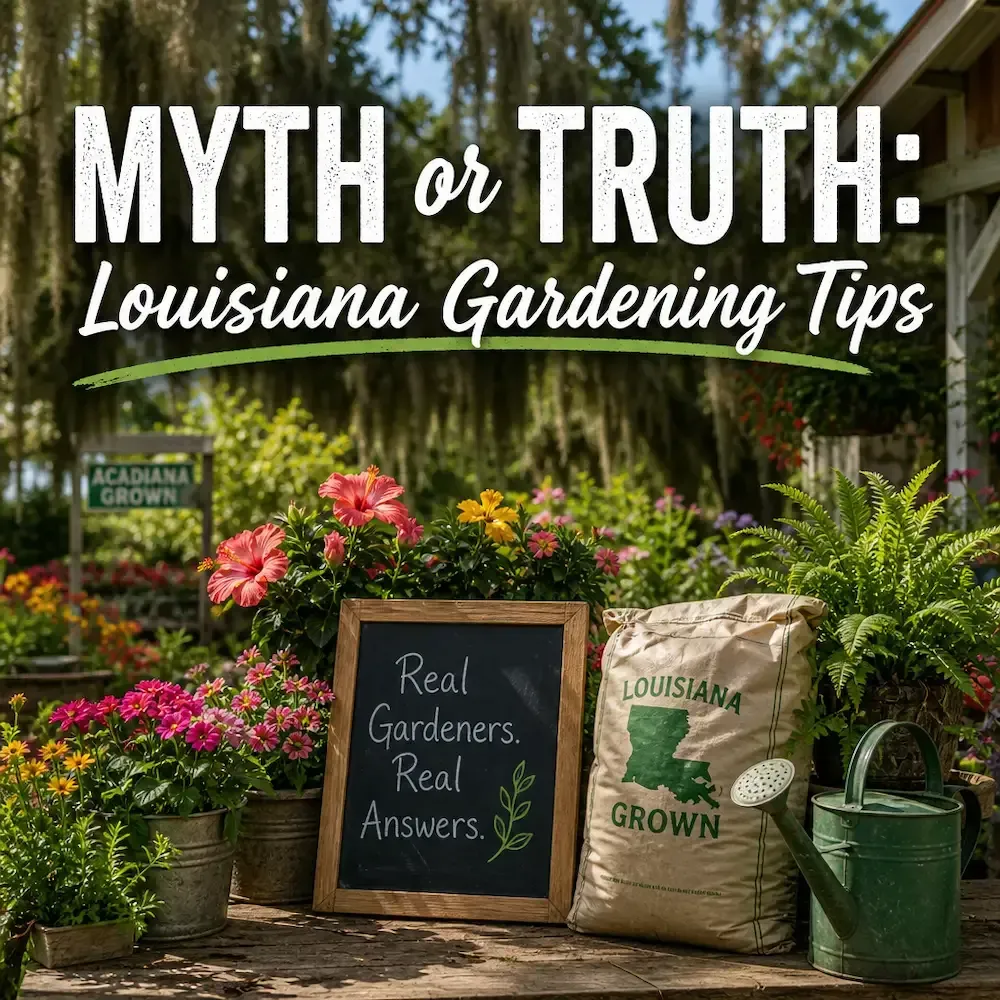


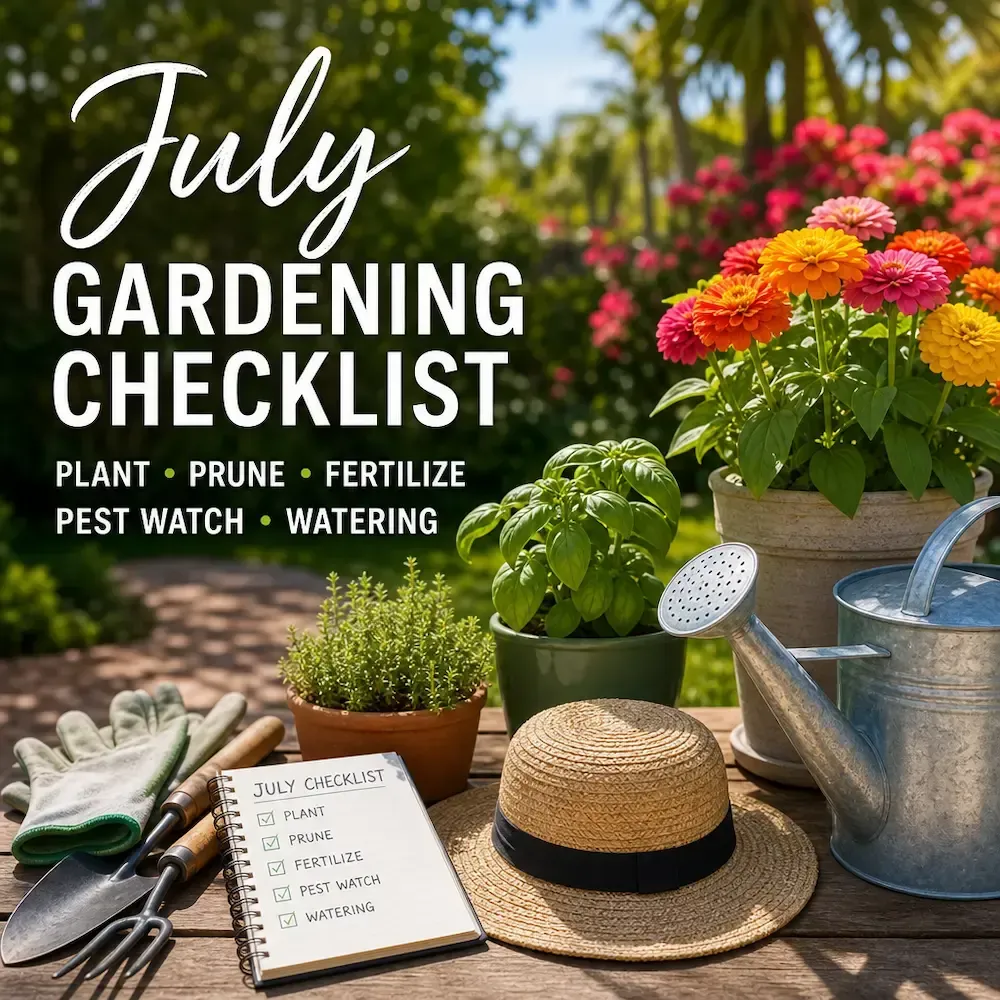
🌿 July Gardening Checklist for Zone 9 Louisiana
What to Plant • What to Prune • What to Fertilize • Pest Watch • Watering Schedule
🌞 July Overview: What Your Garden Needs Right Now
July in Zone 9 Louisiana means intense heat, high humidity, and afternoon storms. Plants grow fast, pests multiply faster, and watering becomes a balancing act. This checklist keeps your garden healthy through the toughest month of summer. July is one of the toughest months for Louisiana landscapes, and if your yard needs professional help, our Landscape Services team can guide you through the season.
🌱 What to Plant in July (Zone 9 Louisiana)
Even in the heat, plenty of plants thrive when planted now.
Heat‑Loving Annuals & Perennials
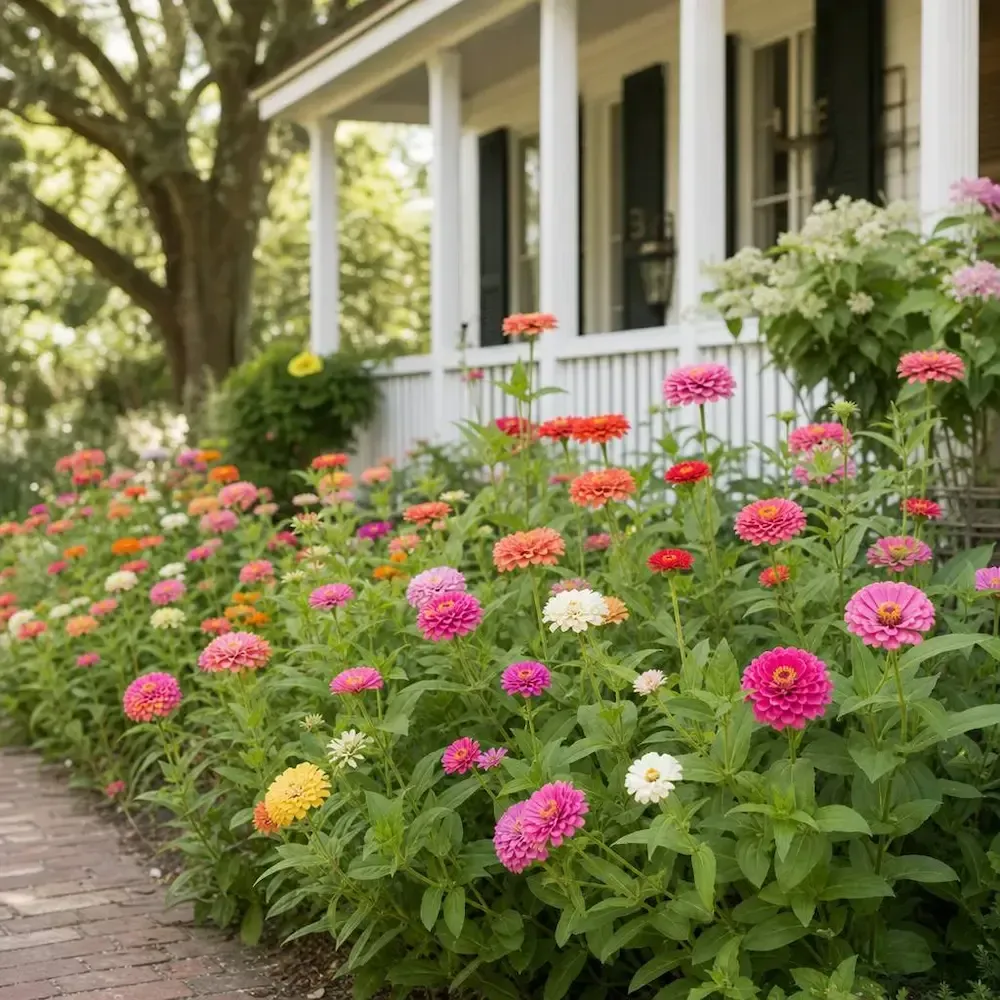
- Zinnias
- Marigolds
- Celosia
- Vinca (Periwinkle)
- Sunflowers
- Purslane & Portulaca
Vegetables You Can Still Plant
- Okra
- Southern peas (black‑eyed peas, crowder peas)
- Cucumbers
- Heat‑tolerant cherry tomatoes
- Malabar spinach
Herbs That Love the Heat
- Basil
- Rosemary
- Thyme
- Lemongrass
Landscape Plants That Thrive
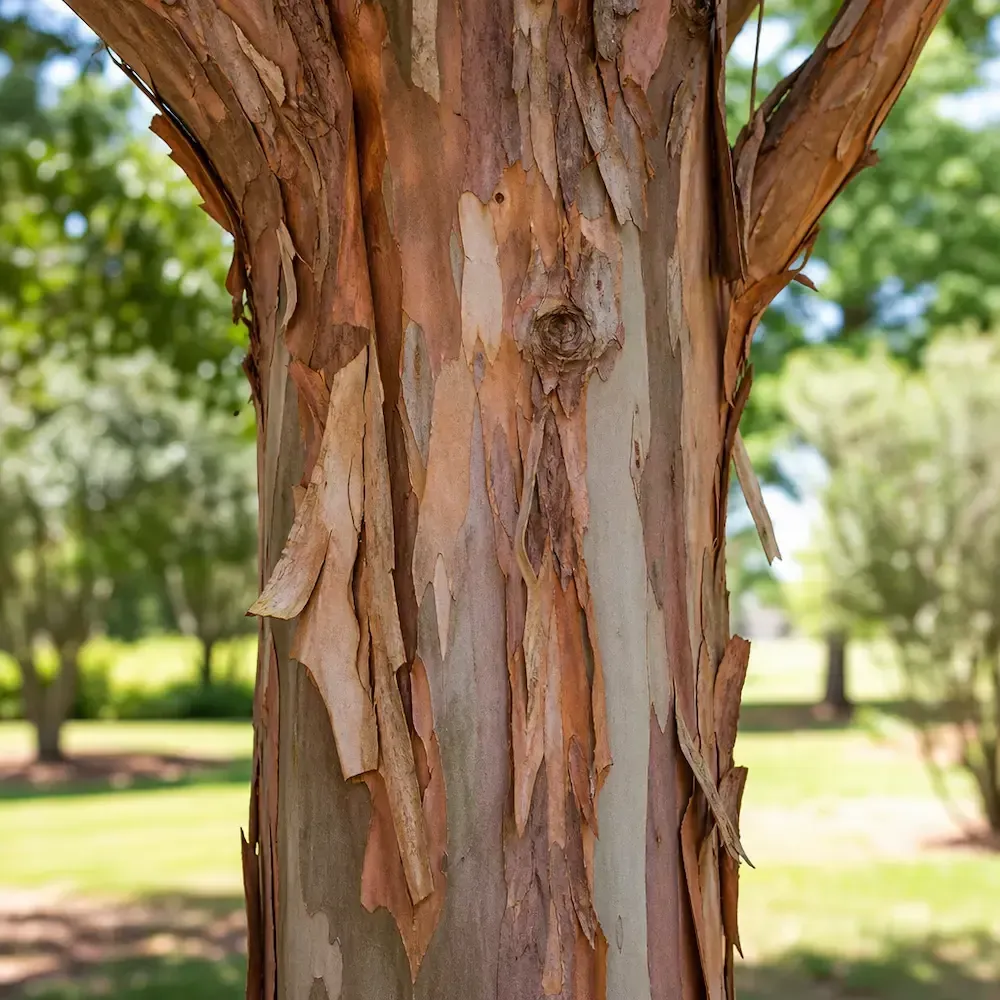
- Crape myrtles
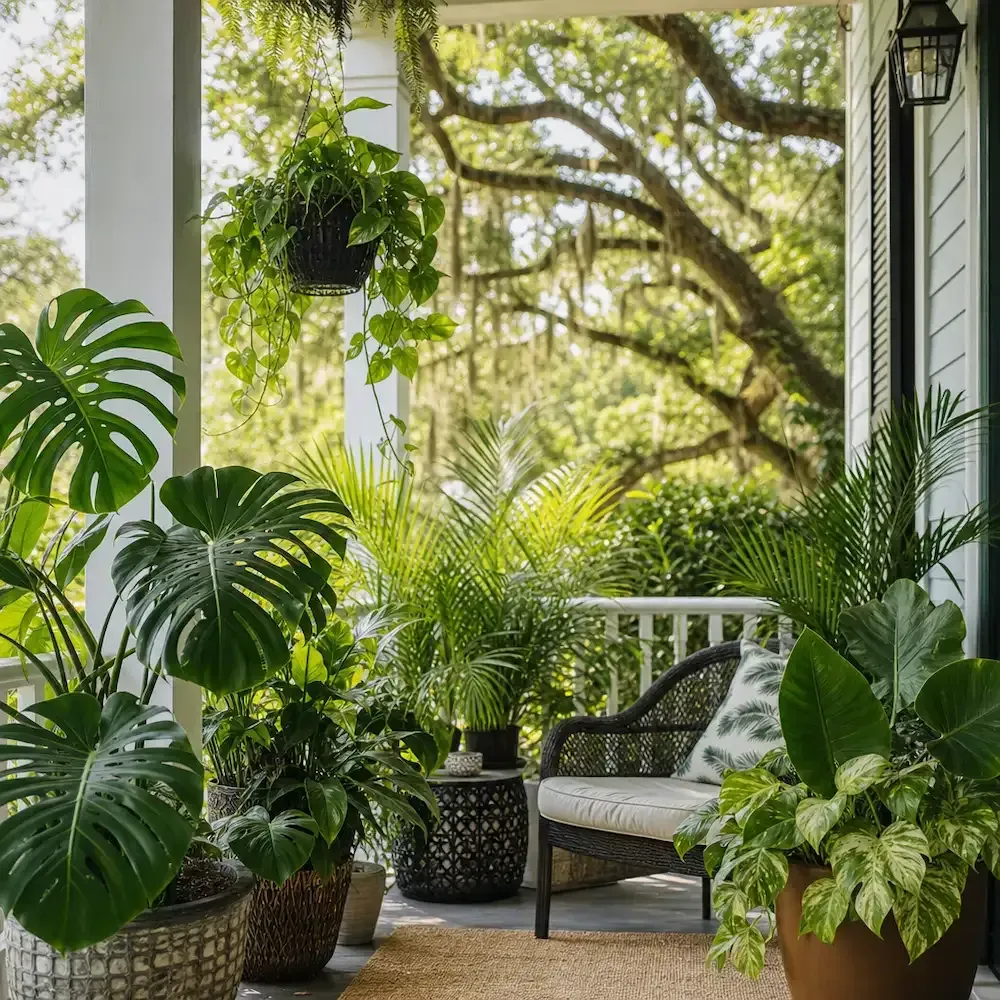
- Palms (queen, mule, sabal, pygmy date)
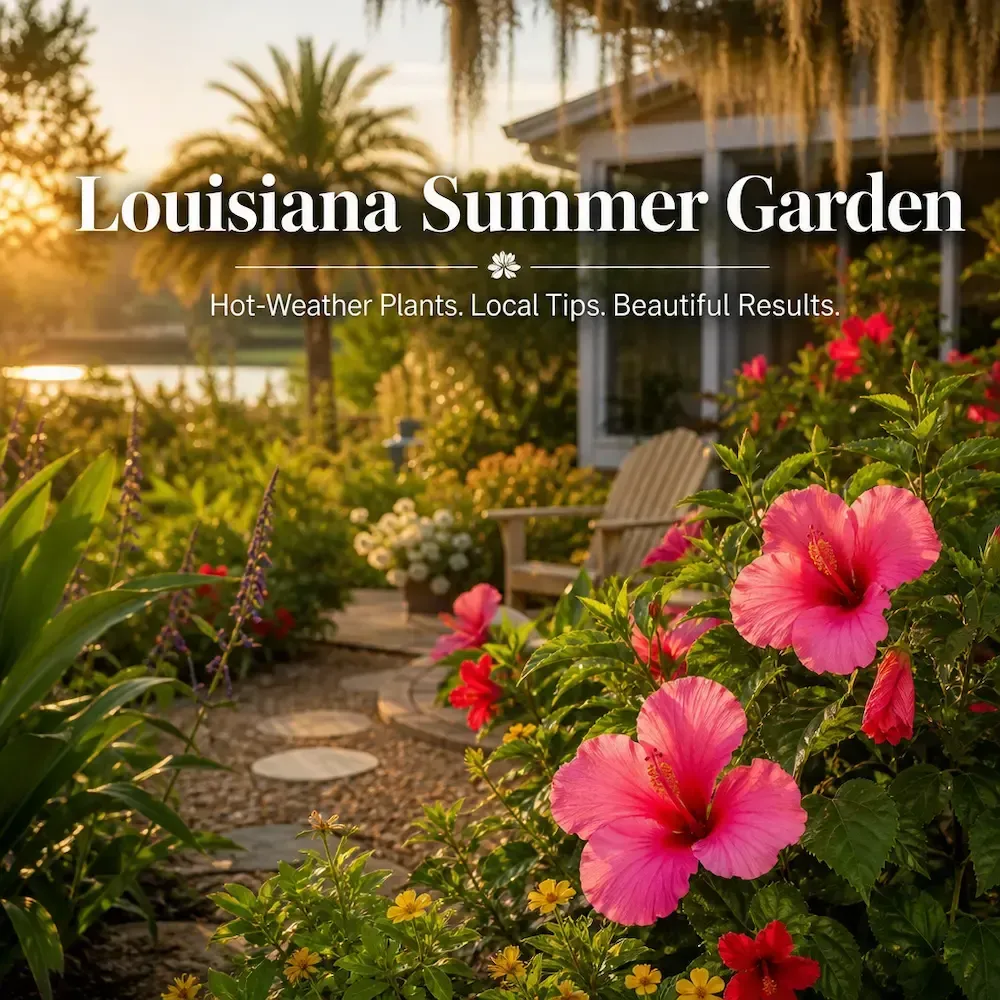
- Hibiscus
- Oleander
- Lantana
✂️ What to Prune in July
July is NOT a heavy pruning month — but some plants benefit from selective trimming.
Light Pruning Only
- Crape Myrtles: Remove spent blooms to encourage re‑flowering.
- Hibiscus: Trim leggy growth to keep shape.
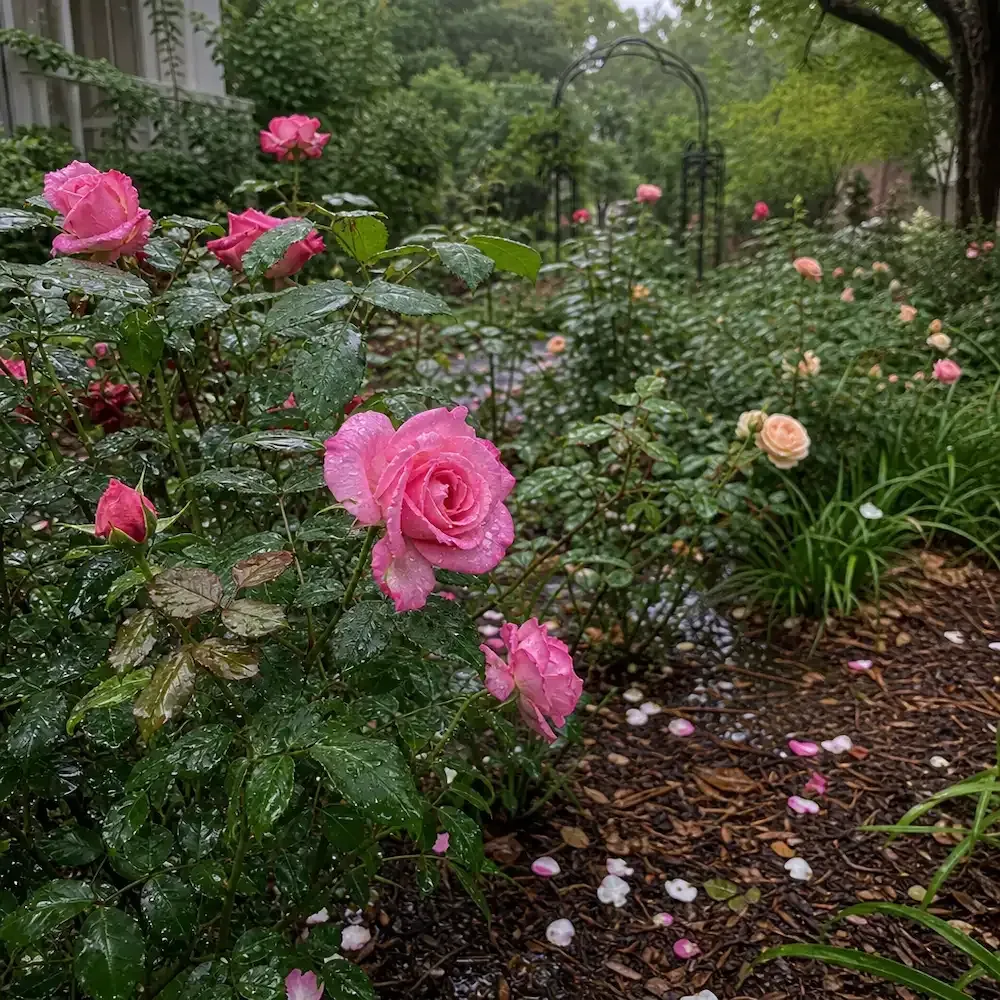
- Roses: Deadhead only; avoid hard pruning until late winter.
- Annuals: Pinch back zinnias, marigolds, and basil to promote bushy growth.
Do NOT Prune
- Citrus trees
- Camellias
- Azaleas
- Gardenias
- (You’ll remove next year’s blooms.)
🌾 What to Fertilize in July
Heat changes how plants absorb nutrients — so July fertilizing is strategic.
Fertilize Now
- Lawns: Apply a slow‑release nitrogen fertilizer (St. Augustine, Bermuda, Zoysia).
- Palms: Use a palm‑specific fertilizer with magnesium and manganese.
- Flowerbeds: Light feeding with a balanced 10‑10‑10 or organic flower fertilizer.
- Vegetables: Side‑dress tomatoes, peppers, cucumbers with compost or mild fertilizer.
Avoid Heavy Fertilizing
High heat can burn roots. Stick to slow‑release or organic options.
🐛 Pest Watch: July’s Biggest Problems in South Louisiana
July is peak pest season. Here’s what to watch for:
Common Pests
- Aphids (especially on hibiscus, roses, crape myrtles)
- Spider mites (thriving in dry heat)
- Whiteflies
- Armyworms (can wipe out lawns overnight)
- Scale insects
- Caterpillars on vegetables
Diseases to Watch
- Powdery mildew
- Sooty mold (often caused by aphids)
- Leaf spot on palms
- Tomato blight
Quick Treatments
- Neem oil
- Insecticidal soap
- Spinosad for caterpillars
- Systemic insecticide for heavy scale infestations
💧 Watering Schedule for July (Zone 9 Louisiana)
Watering is the most important part of July gardening.
General Watering Rules
- Water early morning (5–9 AM)
- Deep soak 2–3 times per week
- Avoid daily light watering — it encourages shallow roots
- Mulch everything to retain moisture
Lawns
- 1–1.5 inches of water per week
- Water deeply, not frequently
- Watch for fungus after heavy rain
Flowerbeds
- 2–3 deep waterings per week
- Add fresh mulch to keep soil cool
Vegetables
- Consistent moisture is key
- Tomatoes need deep watering every 2–3 days
- Cucumbers need steady moisture to avoid bitterness
Palms
- Deep soak once weekly
- Newly installed palms: 3–4 deep waterings per week for the first month
🌻 Bonus: July Garden To‑Do List
- Refresh mulch around trees and beds
- Check irrigation systems for clogged emitters
- Remove weeds before they seed
- Inspect palms for nutrient deficiencies
- Add shade cloth for struggling vegetables
- Keep an eye on drainage after storms
📍 Local Acadiana Tips (Lafayette, Scott, Broussard, Youngsville, Carencro)
- Afternoon storms can cause root rot — ensure proper drainage
- Heat index days above 105° require extra watering
- Clay soil dries unevenly — check moisture before watering
- Palms LOVE July heat but need magnesium to prevent yellowing
🌿 July Gardening FAQ – Zone 9 Louisiana
1. What can I plant in July in Zone 9 Louisiana?
You can still plant heat‑loving annuals like zinnias, vinca, marigolds, and celosia. Vegetables such as okra, cucumbers, southern peas, and Malabar spinach also thrive in July’s heat.
2. How often should I water my garden in July?
Most plants need deep watering 2–3 times per week, preferably early in the morning. Lawns need about 1–1.5 inches per week, while newly planted palms may need watering 3–4 times weekly.
3. Is July a good month for pruning?
Only light pruning is recommended. Deadhead annuals, trim leggy hibiscus, and remove spent crape myrtle blooms. Avoid pruning citrus, camellias, azaleas, and gardenias — you’ll remove next year’s blooms.
4. Should I fertilize my lawn or plants in July?
Yes, but lightly. Use slow‑release fertilizers for lawns and palms. Flowerbeds benefit from a mild balanced fertilizer or compost. Avoid heavy fertilizing during extreme heat.
5. What pests are most common in July in South Louisiana?
Expect aphids, spider mites, whiteflies, armyworms, and scale insects. Tomato blight, powdery mildew, and sooty mold are also common. Neem oil, insecticidal soap, and spinosad are effective treatments.
6. Why do my plants look stressed in the July heat?
High temperatures and humidity can cause wilting, leaf scorch, and slow growth. Deep watering, mulching, and providing afternoon shade help plants recover.
7. How do I keep my vegetable garden healthy in July?
Water consistently, mulch heavily, and watch for caterpillars and fungal issues. Tomatoes and cucumbers need steady moisture to prevent blossom end rot and bitterness.
8. Do palms need special care during July?
Yes — palms love the heat but often show magnesium or manganese deficiencies. Use a palm‑specific fertilizer and water deeply once per week (more for newly installed palms).
9. Why is my lawn getting brown patches in July?
Brown patches can be caused by armyworms, fungus, drought stress, or uneven watering. Inspect closely and treat quickly — armyworms can destroy a lawn in 48 hours.
10. How can I protect my garden from heavy afternoon storms?
Ensure proper drainage, avoid overwatering, and check mulch levels. After storms, inspect for root rot, fungus, and standing water around plants.
If your yard needs help surviving the July heat — from drainage issues to palm care — Beau Monde Nursery Landscape & Florist offers affordable, phased landscaping projects across Acadiana.
Contact Us