

Louisiana Gardening: Myths, Truths, and What Really Works
Local gardening wisdom to help your plants thrive in Acadiana.
Gardening in South Louisiana comes with plenty of advice — some helpful, some outdated, and some that just doesn’t work in our heat, humidity, and Acadiana soil. At Beau Monde, we hear these myths every day from customers who are simply trying to do right by their plants. This guide breaks down the most common misconceptions we’ve seen in the nursery and out in the field, so you’ll know exactly what’s true, what’s not, and what really works in a Louisiana garden.
Myth or Truth #1 — “You can’t use fish emulsion if you already added Osmocote.”
Truth — You can, and neither one burns.
Many gardeners worry that combining fertilizers will “burn” their plants. But Osmocote and fish emulsion work in completely different ways:
- Osmocote is a slow‑release fertilizer that feeds over months.
- Fish emulsion is a gentle, quick‑release liquid boost.
They don’t conflict, and they don’t overload your plants. In South Louisiana’s long growing season, using both actually helps keep palms, tropicals, and annuals greener and healthier through heat, humidity, and heavy rain.
Fish Emulsion + Osmocote
✔ Correct.
Osmocote is a polymer‑coated slow‑release fertilizer.
Fish emulsion is a mild organic liquid fertilizer.
They do not chemically conflict and neither burns under normal use.
➡️At Beau Monde Nursery Landscape & Florist, our team provides professional lawn service across Lafayette, Broussard, Youngsville, and the surrounding Acadiana area.
Myth or Truth #2 — “Mulch attracts bugs and termites.”
Myth — Mulch does not attract pests.
Mulch gets blamed for everything, but the truth is:
- Mulch regulates soil temperature
- Mulch reduces evaporation
- Mulch prevents weeds
- Mulch improves soil health
Termites don’t show up because of mulch — they show up because of moisture and wood‑to‑ground contact near the home. Mulch is safe and one of the best things you can add to a Louisiana landscape.
✔ Correct.
Mulch does not attract termites.
Termites are attracted to moisture + wood‑to‑ground contact, not mulch itself.
This is confirmed by:
- LSU AgCenter
- Texas A&M Extension
- University of Florida IFAS
Myth or Truth #3 — “You should water your plants every day in summer.”
Myth — Daily watering causes fungus and shallow roots.
In Acadiana’s humidity, watering every day is one of the fastest ways to create:
- black spot
- root rot
- fungus
- weak, shallow roots
Most plants prefer deep, infrequent watering, even in summer. The only exceptions are fresh installs and container plants — and even those need drainage more than constant water.
✔ Correct.
Daily watering in humid climates leads to:
- fungus
- root rot
- shallow roots
Every horticulture extension in the Gulf South agrees.
➡️For bigger outdoor projects, our team also provides full landscape installation services
throughout Lafayette and the surrounding Acadiana area.
Myth or Truth #4 — “Native plants don’t need maintenance.”
Myth — They need less, but not zero.
Native plants are adapted to Louisiana’s climate, but they still need:
- seasonal pruning
- shaping
- occasional fertilizing
- proper spacing for airflow
They’re easier — not maintenance‑free.
✔ Correct.
Native plants need less maintenance, not zero.
They still require pruning, shaping, and seasonal care.
Myth or Truth #5 — “Palm trees don’t need fertilizer.”
Myth — Louisiana palms need nutrients to stay healthy.
Our soil is often low in:
- magnesium
- manganese
- potassium
Without these, palms get yellowing, frizzle top, and weak growth. A slow‑release palm fertilizer (plus occasional fish emulsion) keeps them thriving in Zone 9.
✔ Correct.
Louisiana soils are often deficient in:
- magnesium
- manganese
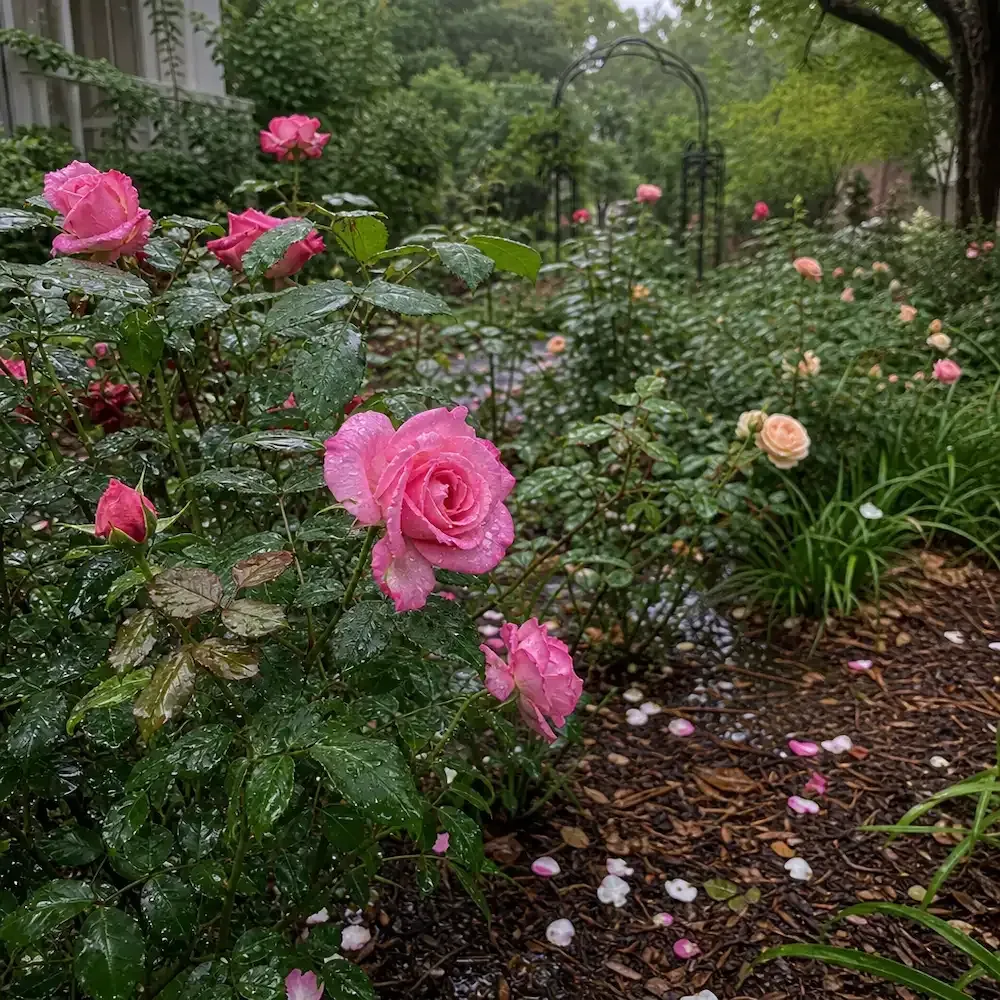
- potassium
This is why frizzle top and yellowing are common.
Palm fertilizer is recommended by LSU AgCenter.
Myth or Truth #6 — “Black spot comes from watering the leaves.”
Partly True — But humidity is the real culprit.
Water on leaves can contribute, but in Louisiana, black spot is mostly caused by:
- high humidity
- poor airflow
- long periods of leaf moisture
- overcrowded plants
Watering at the base helps, but spacing and airflow matter more.
✔ Partially true.
Water on leaves can contribute, but in Louisiana:
- humidity
- poor airflow
- long leaf wetness
…are the primary causes.
This matches rose pathology research.
Myth or Truth #7 — “You can’t plant anything in summer.”
Myth — You can plant in summer with the right choices.
In Acadiana, summer planting works great for:
- palms
- tropicals
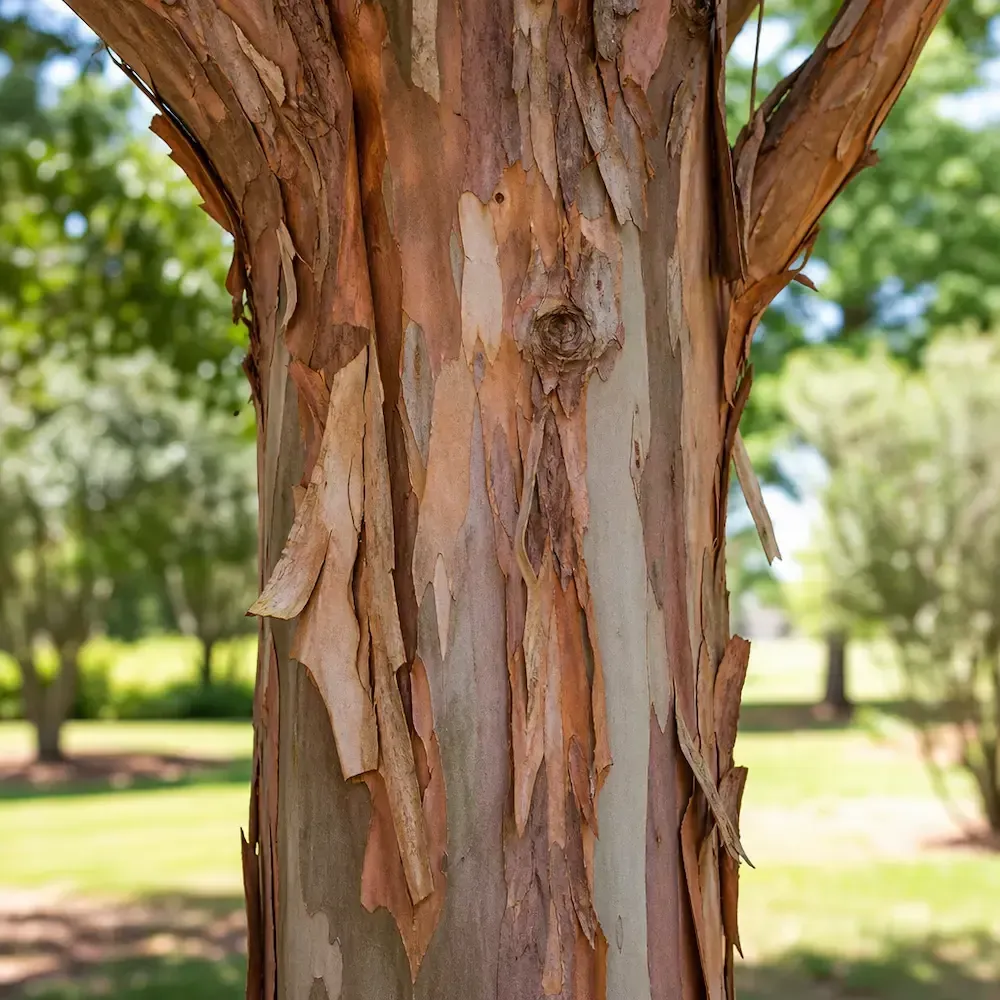
- crape myrtles
- heat‑tolerant shrubs
- annuals like vinca and coleus
The key is proper watering and mulch — not avoiding summer altogether.
✔ Correct.
You can plant in summer in Zone 9.
Warm soil actually helps root establishment for many species.
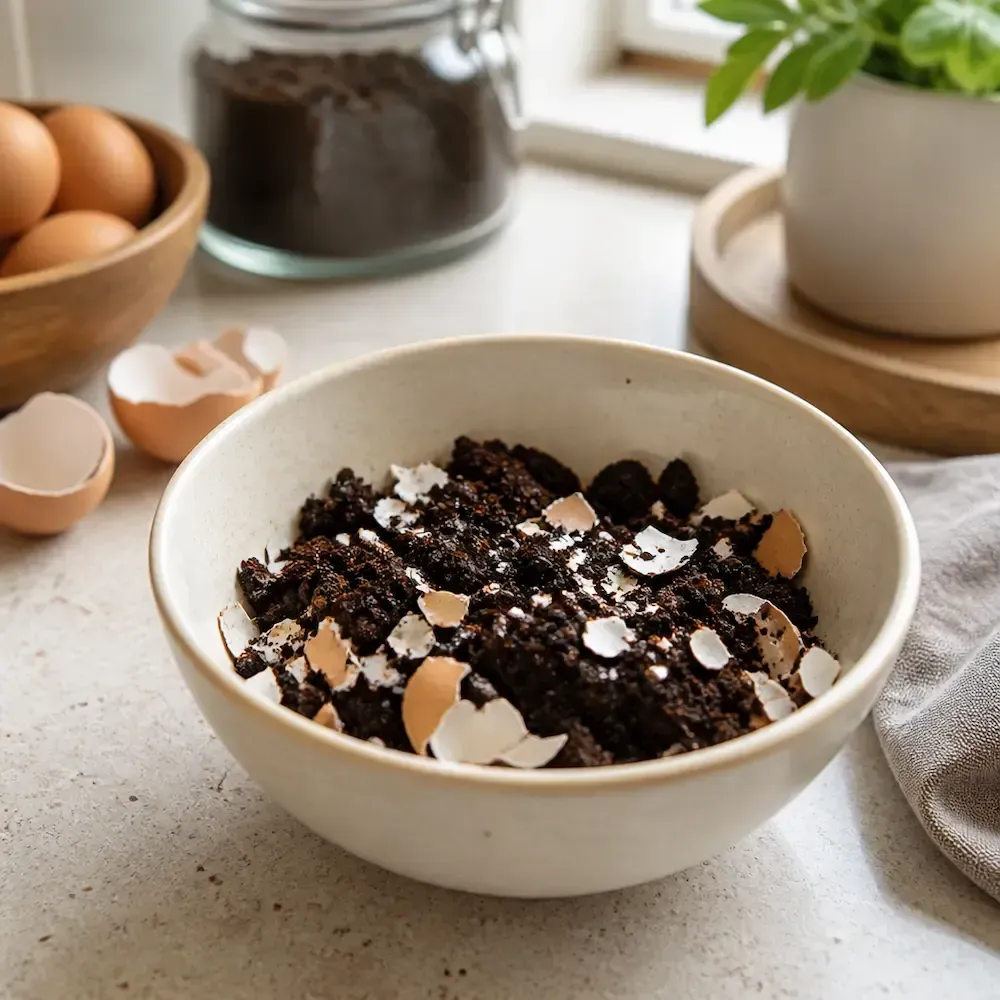
Myth or Truth #8 — “Coffee grounds fix yellow leaves.”
Myth — Coffee grounds don’t fix nutrient deficiencies.
Coffee grounds can improve soil structure over time, but they don’t fix:
- iron deficiency
- nitrogen deficiency
- magnesium deficiency
Yellow leaves need the right fertilizer — not a cup of Community Coffee.
✔ Correct.
Coffee grounds do not fix nutrient deficiencies.
They only improve soil structure over time.
Myth or Truth #9 — “More water fixes drooping plants.”
Myth — Drooping can mean too much water.
In Louisiana’s rain‑heavy climate, drooping often means:
- root rot
- poor drainage
- waterlogged soil
Always check the soil before adding more water.
Myth or Truth #10 — “Zone 9 plants can handle anything.”
Myth — They still struggle with Louisiana extremes.
Even Zone 9 plants can suffer from:
- heat waves
- long periods of rain
- fungus
- poor drainage
- sudden cold snaps
Right plant, right place still matters.
✔ Correct.
Drooping can mean:
- overwatering
- root rot
- poor drainage
This is a common Louisiana issue due to heavy rain.
Final Thoughts
Louisiana gardening comes with its own set of challenges — heat, humidity, rain, and soil that changes from yard to yard. But with the right information (and fewer myths), your plants can thrive year‑round in Acadiana.
If you ever need help choosing the right plants or solving a garden problem, Beau Monde Nursery Landscape & Florist is here to help.
Contact Us