

🌿 Why Crape Myrtle Bark Peels: The Real Reasons
🌳 Why Crape Myrtle Bark Peels (and Why It’s a Good Thing)
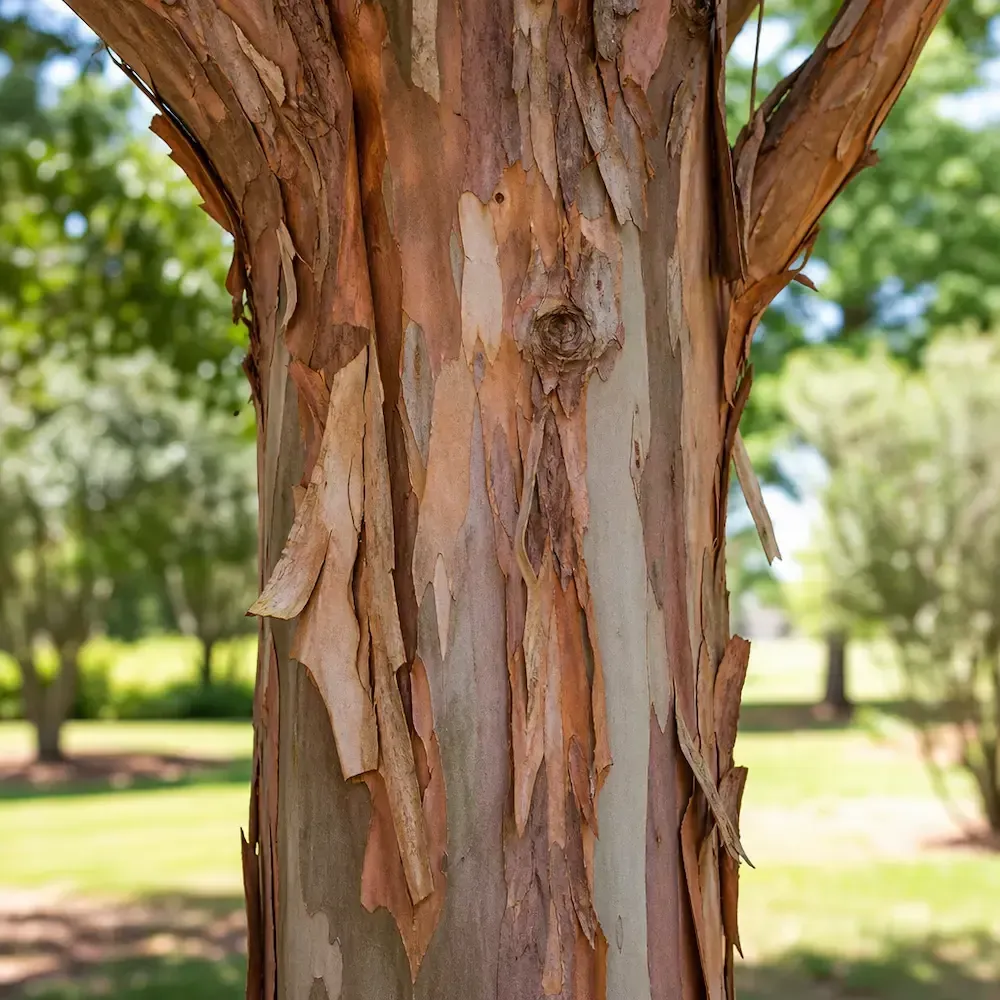
Crape myrtles are one of the most iconic landscape trees in the South — long summer blooms, smooth trunks, and reliable growth in Zone 9. But one of the most common questions homeowners ask is: “Why is my crape myrtle shedding its bark?”
The good news?
In most cases, peeling bark is completely normal and actually a sign of a healthy, thriving tree.
Below is a full breakdown of why it happens, what it means, and when peeling is a red flag.
🌿 Why Crape Myrtle Bark Peels: The Real Reasons
1. Natural Exfoliation
Crape myrtles shed bark to expand their trunks and improve nutrient flow.
This is a natural growth cycle — not a disease.
Crape myrtles are one of the few ornamental trees that naturally exfoliate.
As the tree grows, the outer bark becomes:
- dry
- tight
- brittle
- no longer useful
So, the tree sheds it — revealing fresh, smooth bark underneath.
This exfoliation helps the tree:
- expand its trunk
- improve nutrient movement
- remove old, damaged layers
- maintain strong, healthy bark structure
2. Heat & Sun Exposure
South Louisiana’s heat speeds up bark shedding.
Warm temperatures increase sap movement, pushing old bark outward.
Our Zone 9 climate plays a big role.
High temperatures increase sap flow, which pushes old bark outward faster.
You’ll notice heavier peeling:
- in late spring
- throughout summer
- after heavy rain followed by heat
- during rapid growth periods
This is why crape myrtles in Acadiana often peel more dramatically than those in cooler climates.
3. Age & Maturity
Young crape myrtles peel lightly.
Mature trees peel boldly — sometimes in large sheets.
As the tree ages, the bark becomes more decorative, revealing:
- cinnamon tones
- gray streaks
- pinkish patches
- smooth marble‑like patterns
If your tree is older, peeling is simply part of its natural beauty.
4. Variety Differences
Some varieties peel more than others:
Natchez (cinnamon bark), Muskogee (lavender‑gray), Tuscarora (coral‑pink), and fauriei hybrids (showy bark).
Certain cultivars are known for dramatic bark:
- Natchez — heavy peeling, cinnamon‑brown bark
- Muskogee — lavender‑gray bark
- Tuscarora — coral‑pink bark
- Fauriei hybrids — extremely showy, multi‑colored bark
If you want a tree with standout bark, these are the top choices.
🌟 Benefits of Bark Peeling
- Improved Tree Health: Reduces moisture trapping and fungal risk.
- Natural Pest Resistance: Removes insects hiding under old bark.
- Beautiful Aesthetic: Smooth, mottled bark adds year‑round interest.
- Sign of Vitality: Healthy trees exfoliate regularly.
1. Better Tree Health
Shedding old bark reduces moisture trapping, which helps prevent:
- fungal issues
- rot
- insect hiding spots
Fresh bark = better airflow and stronger trunk structure.
2. Natural Pest Control
Loose bark can hide insects.
By shedding it, the tree naturally removes:
- scale insects
- ants
- beetles
- spider mites
It’s a built‑in defense mechanism.
3. Year‑Round Landscape Beauty
Even when the tree isn’t blooming, the bark provides visual interest.
Homeowners love the:
- smooth texture
- marble‑like patterns
- cinnamon and gray tones
- seasonal color changes
It’s one of the reasons crape myrtles are planted so often in Louisiana neighborhoods.
4. A Sign of a Thriving Tree
Healthy crape myrtles exfoliate regularly.
If the bark is peeling without soft spots, oozing sap, or foul smell, your tree is doing exactly what it should.
❗ When Peeling Isn’t Normal
Watch for:
- Black, sooty mold
- White cottony clusters (bark scale)
- Soft or oozing wood
- Foul smell
These may indicate Crape Myrtle Bark Scale or sunscald — both treatable.
Peeling bark is not normal if you also see:
- black, sooty mold
- white cottony clusters (bark scale)
- soft or mushy wood
- deep cracks exposing inner trunk
- oozing sap
- foul odor
- peeling only on one side of the tree
These symptoms may indicate:
Crape Myrtle Bark Scale
A common pest in Louisiana that causes:
- white clusters on bark
- sticky residue
- black mold
- weakened growth
Sunscald
Occurs when intense sunlight damages the trunk, causing:
- cracking
- peeling
- discoloration
Physical Damage
Weed eaters, lawn equipment, or pruning wounds can cause abnormal peeling.
If you see any of these signs, the tree needs attention.
🔧 Homeowner Tips for Healthy Crape Myrtles
1. Don’t Peel the Bark Yourself
Let the tree shed naturally.
Pulling bark early can damage the fresh layer underneath.
2. Avoid Over‑Pruning (“Crape Murder”)
Heavy topping stresses the tree and can lead to:
- weak growth
- sunscald
- pest issues
- abnormal bark peeling
Light shaping is fine — topping is not.
3. Mulch Properly
Keep mulch 2–3 inches deep and away from the trunk.
Mulch volcanoes trap moisture and cause rot.
4. Water During Extreme Heat
Crape myrtles are drought‑tolerant, but deep watering during heat waves helps maintain healthy bark.
5. Inspect Seasonally
Check for:
- scale insects
- mold
- cracks
- soft spots
Early detection prevents long‑term damage.
❓ Mini FAQ
Does peeling bark mean my tree is dying?
No — it’s healthy unless accompanied by mold or damage.
Should I remove peeling bark?
No — let nature handle it.
Which varieties have the prettiest bark?
Natchez, Muskogee, Tuscarora, and fauriei hybrids.
Why does it peel more in summer?
Heat increases sap flow and exfoliation.
💬 Beau Monde Tip
If your crape myrtle looks unusual or you’re seeing signs of pests or mold, Beau Monde Nursery Landscape & Florist can diagnose the issue and recommend the right treatment for Zone 9 trees.
🌱 How Crape Myrtles Fit Into a Healthy Landscape
Crape myrtles look their best when the surrounding landscape is designed to support them. Proper bed layout, soil preparation, drainage, and plant pairing all play a major role in how well these trees perform in South Louisiana. If you’re planning a new landscape or refreshing an existing one, our team at Beau Monde Nursery Landscape & Florist can help you choose the right crape myrtle variety and design a layout that thrives in Zone 9.
Learn more about our landscape planning and installation services here:
Landscape Services Lafayette LA | Beau Monde
🌾 Healthy Lawns Support Healthy Trees
A crape myrtle’s root system interacts directly with the lawn around it. Compacted soil, stressed turf, or poor drainage can affect root development and increase the chances of pest issues like bark scale. Keeping your lawn healthy helps maintain proper moisture levels and reduces environmental stress on your trees.
If your lawn needs seasonal care, fertilization, or leveling to support your landscape, Beau Monde offers full‑service lawn maintenance throughout Acadiana.
Explore our lawn care services here: Lawn Care Services |Lafayette LA |Beau Monde
📬 Contact Us
Have questions about your crape myrtle or need help with your landscape or lawn? Our team at Beau Monde Nursery Landscape & Florist is here to help. Whether you’re dealing with bark scale, planning a new landscape design, or looking to improve your lawn’s health, we’re just a message away.
Reach out today and let us take care of your outdoor space.
Contact Us