

🌪️ Hurricane Readiness: How to Protect Your Garden, Trees & Shrubs in South Louisiana
Hurricane Readiness for Your South Louisiana Landscape
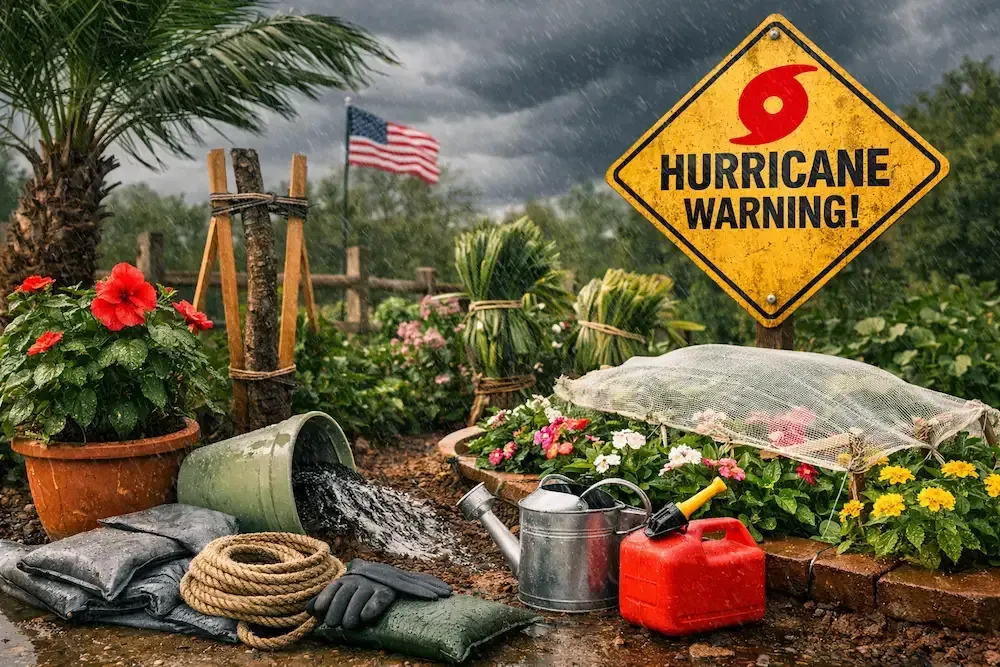
Hurricane season hits South Louisiana hard, and your landscape often takes the first impact. High winds, heavy rain, and flooding can damage trees, flatten flower beds, and stress even the toughest plants. With the right preparation, though, your garden can withstand the storm and bounce back stronger. This guide walks you through practical, Louisiana‑specific steps to protect your trees, shrubs, palms, and garden beds before severe weather arrives.
Hurricane Readiness for Your South Louisiana Landscape
🌴 1. Prepare Your Trees Before a Hurricane
Healthy, well‑maintained trees are far less likely to break or uproot during a storm. In South Louisiana, where wind gusts can reach extreme speeds, proper tree prep is one of the most important steps you can take.
Prune Early — Not Last Minute
Remove weak, dead, or crossing branches well before hurricane season. A properly thinned canopy allows wind to pass through instead of pushing against the tree like a sail.
Stake Young or Newly Planted Trees
Trees planted within the last 1–2 years should be secured with sturdy stakes and flexible straps to prevent leaning or uprooting in saturated soil.
Avoid “Lion‑Tailing”
Never strip the inner branches and leave only foliage at the tips — this makes trees MORE likely to snap.
Inspect for Rot or Pest Damage
Weak spots fail first. Treat issues early to strengthen the tree before storms arrive.
🌿 2. Protect Your Shrubs & Flower Beds Before the Storm
Shrubs, perennials, and flower beds are some of the most vulnerable parts of a landscape during hurricane season. High winds, pounding rain, and flying debris can flatten or uproot them quickly — but a few simple steps can make a big difference.
Water Deeply 24 Hours Before the Storm
It sounds backward, but watering before a hurricane helps plants handle wind stress and salt exposure. Moist soil cushions roots and reduces shock.
Add a Fresh Layer of Mulch
A 2–3 inch layer of mulch helps:
- Prevent soil erosion
- Protect exposed roots
- Reduce washout in heavy rain
- Keep beds anchored during flooding
Tie Up Tall or Top‑Heavy Shrubs
Use soft plant ties or twine to secure shrubs like:
- Hibiscus
- Oleander
- Knock Out roses
- Tall perennials and grasses
This keeps branches from snapping or whipping in the wind.
Move Containers to Safety
Potted plants should be:
- Brought indoors, OR
- Grouped tightly against the house on the leeward side
Containers are the first things to blow over — and they can become dangerous projectiles.
Storm damage can leave beds, shrubs, and trees stressed. Our landscape maintenance services help restore your landscape quickly and safely.
🍅 3. Protect Your Vegetable Garden Before a Hurricane
Vegetable gardens are especially vulnerable during hurricanes. Heavy rain, strong winds, and flying debris can wipe out an entire season’s progress overnight. A few quick steps can help minimize damage and save what you’ve grown.
Harvest Everything You Can
Pick ripe and nearly ripe vegetables before the storm hits. High winds will shred foliage and destroy produce, so it’s best to gather what’s ready.
Stake Tomatoes, Peppers & Okra
Use sturdy cages, bamboo stakes, or wooden supports to keep tall plants from snapping. Secure them with soft ties that won’t cut into stems.
Lay Down Row Covers or Netting
Lightweight covers help reduce wind burn and keep plants from whipping around. Secure the edges with bricks, boards, or sandbags.
Improve Drainage Where Possible
If your garden tends to flood, create temporary trenches or raised rows to help water move away from plant roots. Standing water can cause root rot within hours.
🌺 4. Protect Your Tropical Plants & Palms
South Louisiana landscapes often include tropicals and palms that are especially vulnerable to high winds. A little preparation goes a long way in preventing breakage, wind burn, and uprooting.
Lightly Tie Palm Fronds Together
For palms such as:
- Pindo
- Sabal
- Windmill
- Queen (in warmer pockets)
Gently tying the fronds into a loose bundle reduces wind resistance and helps prevent fronds from snapping.
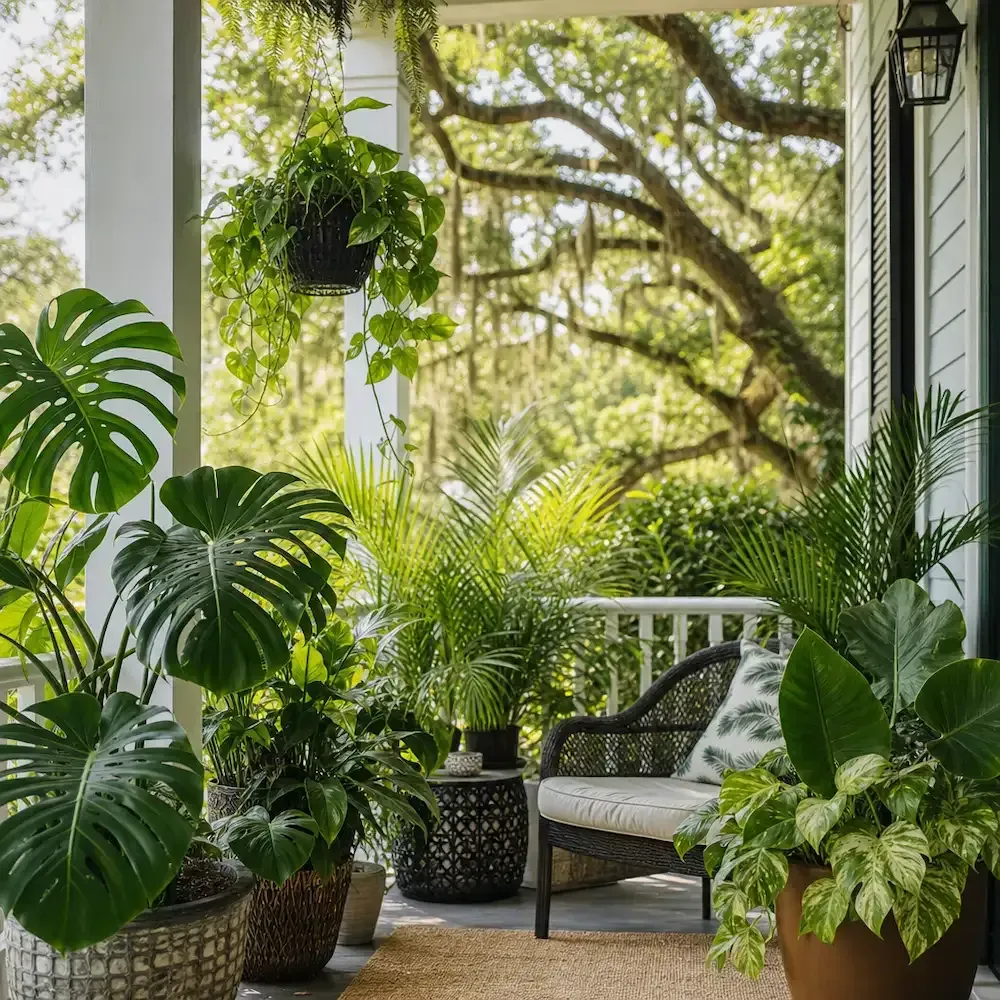
Move Container Tropicals Indoors or Under Shelter
Plants like hibiscus, plumeria, mandevilla, bougainvillea, and other tender tropicals should be:
- Brought inside, OR
- Placed in a protected area like a garage, porch, or carport
These plants are the first to suffer wind burn and breakage.
Rinse and Feed After the Storm
Once the weather clears, rinse leaves with clean water to remove salt, debris, and contaminants.
A gentle foliar nutrient or seaweed spray helps stressed tropicals recover faster.
We specialize in palm installation and care, including tying and storm preparation for large palms.
💧 5. Prepare Your Landscape Drainage (Critical for South Louisiana Clay Soil)
South Louisiana’s heavy clay soil holds water longer than most regions, which makes proper drainage one of the most important parts of hurricane preparation. When the ground becomes saturated, roots can suffocate, plants can uproot, and entire beds can wash out.
Clear Gutters and Downspouts
Make sure water can move freely away from your home and landscape. Clogged gutters overflow directly into beds, causing erosion and root damage.
Open Up French Drains & Yard Drains
🧱 6. Secure Loose Items Around Your Landscape
Anything that isn’t anchored down can become a dangerous projectile during a hurricane. Securing loose items protects your home, your plants, and your neighbors.
Bring Small Items Indoors
Move these inside your garage, shed, or home:
- Potted plants
- Hanging baskets
- Garden tools
- Watering cans
- Decorative items
- Wind chimes
- Small outdoor furniture
These are the first things to blow away in high winds.
Tie Down or Group Larger Items
For heavier pieces that can’t be moved indoors, secure them tightly:
- Patio furniture
- Grills
- Benches
- Large ceramic pots
- Storage bins
Use rope, bungee cords, or heavy weights to keep them from shifting.
Turn Over Lightweight Furniture
Plastic chairs and tables should be flipped upside down to reduce wind lift.
Check Fences & Gates
Loose fence panels or swinging gates can break free and cause damage. Secure latches and reinforce weak spots before the storm arrives.
🌈 7. What To Do After the Storm
Once the storm passes, your landscape will need quick attention. The first 24–48 hours are the most important for preventing long‑term damage and helping your plants recover.
Rinse Plants With Clean Water
Salt spray, debris, and contaminants can burn leaves. A gentle rinse helps tropicals, shrubs, and palms bounce back faster.
Trim Broken or Damaged Branches
Remove:
- Split limbs
- Torn branches
- Hanging or cracked pieces
Clean cuts heal faster and reduce the risk of disease.
Do NOT Fertilize Immediately
Storm‑stressed plants need time to recover.
Wait 2–3 weeks until you see new growth before feeding.
Cover Exposed Roots
If wind or water washed soil away, gently cover roots with fresh soil and mulch to protect them from heat and drying out.
Watch for Pests & Disease
Storm stress attracts:
- Aphids
- Whiteflies
- Scale
- Fungal issues
Treat early to prevent long‑term decline.
📞 Need Help Preparing Your Landscape for Hurricane Season?
Protecting your yard before a storm doesn’t have to be overwhelming. Whether you need tree pruning, drainage improvements, palm tying, or full landscape preparation, Beau Monde Nursery Landscape & Florist is here to help homeowners across Acadiana stay ready and protected.
Our team serves Lafayette, Scott, Broussard, Youngsville, Carencro, Breaux Bridge, Duson, Maurice, and surrounding communities with reliable, professional hurricane‑readiness services.
Call today to schedule your pre‑storm landscape prep and protect your investment before the next storm arrives.
Contact Us